Ons Chrysogelos

Some days your back behaves. Other days it complains for no clear reason. If you’ve ever thought, “Is this about my hormones?” – that’s a smart hunch. Hormonal Imbalance and Back Pain often show up together. Hormones are your body’s messenger system, and when messages get noisy or mixed, muscles, ligaments, and nerves feel it. The upside: once you spot your pattern, you can make small tweaks that actually help.
I’ll keep this simple and real. You’ll see plain language, short steps you can try today, and a few quick stories from people who figured out what helps them. If any idea here feels useful, borrow it and make it yours.
Author Note (real life, not perfect)
Last week was one of those “life happens” weeks – late gym practice, a traffic jam on the way home, and I grabbed dinner way too late. By Thursday, my lower back felt tight and grumpy. What helped wasn’t heroic: I moved coffee to after breakfast (protein first), took a 10‑minute walk around the block after dinner, and set a 9:45 p.m. “lights down” alarm. Two days later, the edge was off. Not perfect, just better – and better kept going.
How do Hormonal Imbalance and Back Pain feel in real life?
Maya, 34, kept noticing an ache in her lower back two or three days before her period. She finally tracked it in her notes app for a couple of months. The pattern was obvious. She switched to gentler workouts right before her period, added evening magnesium after checking with her doctor, and slid a small pillow behind her back at work. Two cycles later, her pain was about half what it used to be.
Jordan, 41, had sacroiliac joint pain in late pregnancy that stuck around after the baby arrived. A pelvic floor physical therapist fitted a support belt, taught a hip hinge for lifting, and built a simple plan to bring back core and glute strength. By week eight, carrying the baby and lifting the stroller felt doable again.
Lina, 51, hit perimenopause and woke up stiff most mornings. Hikes went from joy to a chore. She started two strength sessions a week, took a short walk after dinner, and set a wind‑down routine – cool room, dim lights, a few slow breaths. Eight weeks later, she was back on the trail.
These aren’t prescriptions – just snapshots to spark ideas you can discuss with your clinician. And if something doesn’t fit your life, skip it. No guilt.
Back Pain, Hormones, and Everyday Life
Before a period, a heavy, crampy low back is common. During pregnancy, your center of gravity changes and ligaments loosen, so your back works overtime. In perimenopause, sleep gets patchy and recovery is slower, so baseline tightness rises. And when stress runs hot, shoulders climb, breathing gets shallow, and your low back braces like it’s holding a sandbag all day. If this sounds familiar, your back pain might be a mix of hormones, sleep, stress, and how you move – not just a “bad back.”
Quick gut‑check: Do you hurt more after short nights? Do flares land right before your period? Does shallow, stress breathing make your back clench? If you’re nodding, you’re already seeing your pattern.
If you’re already dealing with midlife aches, you might also like this deep dive on menopause-specific back pain: Back pain menopause – What no one tells you.
Why hormones can make your back hurt ?
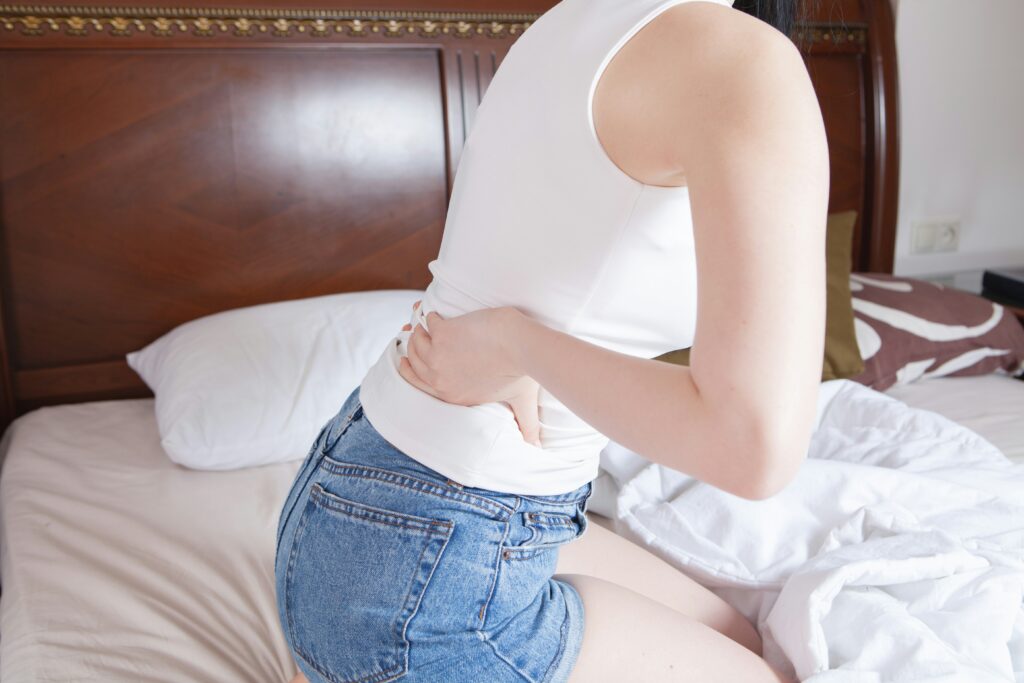
Think of hormones like a volume knob. When they’re steady, pain stays quieter. When they swing, the volume can jump. Here’s what that can look like:
- Inflammation nudges up when certain hormones are low, so joints and discs feel tender.
- Pain signals get louder because hormone shifts can lower your pain threshold.
- Ligaments can feel looser (hello, relaxin in pregnancy), which makes the pelvis and low back work harder to stay stable.
- Fluid shifts make you feel puffy or stiff, especially in the morning.
- Lower testosterone can mean less muscle support around your core.
This doesn’t mean your spine is damaged. It means your tissues are extra sensitive during certain phases – and that’s something you can plan around.
Simple pattern spotting
For two or three cycles – or 6–8 weeks if you’re not cycling – note your pain, cycle day/week, sleep, stress, activity, and any extras (travel, illness, new meds). Watch for clusters: back pain plus breast tenderness, headaches, mood swings, hot flashes, or deep fatigue. Taken together, these clues tell a story you can bring to your clinician.
Here’s a one‑minute template you can copy into your notes app:
- Day/Week:
- Back pain 0–10:
- Sleep (hours + quality):
- Stress (low/med/high):
- Movement (what + minutes):
- Other symptoms:
- Anything new (travel, meds, illness):
Real people share their experiences
“I used to push through my 3 p.m. wall. Now I set a two‑minute timer, drink water, and walk the hallway. It’s tiny, but my back stops yelling.” – A., teacher
“I swapped wine on weeknights for fizzy water with lime during my hot‑flash weeks. Fewer wake‑ups and less morning stiffness.” – K., project manager
Female upper back pain causes you might not expect
When people search for female upper back pain causes, they often fear something dramatic, like a disc problem. Serious causes do exist and always deserve urgent attention if pain is severe, sudden, or worrying.
But for many women, the day‑to‑day causes are more ordinary:
· Long hours at a laptop, screen too low
· Tight chest muscles and weak upper‑back muscles
· Stress‑hunched shoulders
· Hormone changes that make all of the above feel louder
If you often get upper back pain before period, notice what else is happening. Are you more bloated, more stressed, or more tired? That pattern points to hormones plus lifestyle – not a mystery injury.
Low estrogen and back pain: the midlife curveball
In late perimenopause and menopause, low estrogen and back pain often show up together. Estrogen helps with tissue repair, bone health, and even pain signaling. When levels drop:
· Muscles and ligaments recover more slowly.
· Inflammation creeps up.
· Bone density can change over time.
When to call your clinician ?
Go now if you have red flags: severe pain after injury, fever with back pain, new loss of bowel/bladder control, worsening leg weakness, unexplained weight loss, or pain that wakes you and won’t quit. Otherwise, if your pain is cyclical, postpartum, stress‑linked, or stubborn, book a visit to look at both mechanical and hormonal factors.
What a visit might include ?
Expect a good conversation: periods, pregnancies, birth control, menopause status, sleep, stress, thyroid or metabolic symptoms. The exam checks posture, core control, hip motion, and nerves. Labs may include thyroid, sex hormones (sometimes cycle‑timed), vitamin D, and blood sugar markers. Imaging comes in only when there’s a solid reason.
Bring your one‑minute tracker. It turns “my back just hurts” into data your clinician can work with.
Small steps that help this week
Let’s trade one list for a quick story. Tuesday was chaos: school drop‑off ran late, the commute crawled, lunch was whatever I could grab. By 3 p.m., my back felt tight, and I really wanted another coffee. Here’s what I did instead: a glass of water, five slow breaths (in for 4, out for 6), a ten‑minute walk while I called a friend, then a snack with protein (Greek yogurt and berries). The tightness didn’t vanish, but it eased enough to finish the day without that “brick in my low back” feeling. Small steps, real payoff.
If you like checklists, try this simple plan most days:

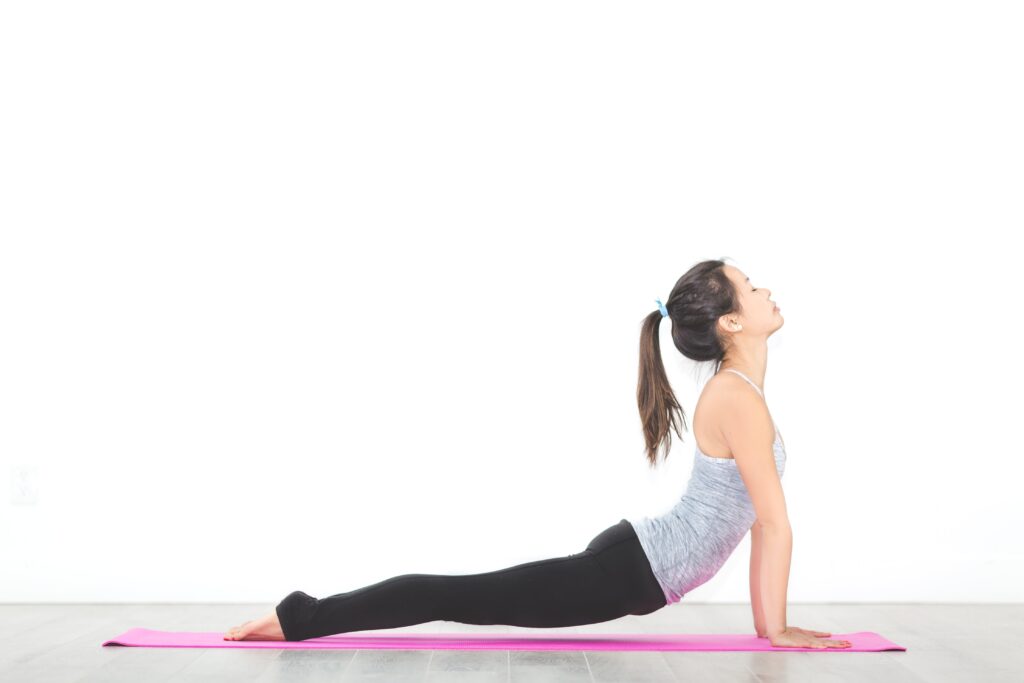
- Move 10–20 minutes (walk, easy bike, or a short stretch flow).
- Add core‑friendly work: bird dog, knees‑down side plank, glute bridges.
- Fix your desk: screen at eye level, small lumbar pillow, stand/stretch every 45 minutes.
- Guard your sleep: cool room, breathable sheets, quiet last hour before bed.
- Eat to soothe: protein + color + healthy fats; ease up on added sugars and ultra‑processed snacks; drink water.
- Check basics with your clinician: vitamin D, magnesium, calcium if needed.
Small promise: pick one lever – sleep, movement, protein, or stress relief – and give it two honest weeks. Track how you feel. Then add the next lever. Tiny wins stack.
How to treat menopause back pain
If you’re in perimenopause or menopause and wondering how to treat menopause back pain without turning your life upside down, think “layers,” not overnight transformation.
Start with the basics:
- Talk with your clinician. Ask whether your symptoms fit low estrogen and back pain, and whether options like menopausal hormone therapy, magnesium, vitamin D, or other supports make sense for you.
- Protect strength. Two or three short strength sessions a week—think squats to a chair, wall push‑ups, band rows—go a long way toward calming both lower and female upper back pain causes driven by weak muscles.
- Guard sleep like medicine. Hot flashes, night sweats, and 3 a.m. overthinking make pain louder. Cooling the room, easing up on alcohol, and having a simple wind‑down routine (screens off, warm shower, a few pages of something light) all help.
None of this has to be perfect. Pick one habit for this month, then add the next when you have more bandwidth.
Meds and Hormones – Straight Talk
Sometimes lifestyle changes aren’t enough. Over‑the‑counter pain meds can help you stay active during flares. Some people feel better on birth control because steady hormones smooth cycle swings; others prefer not to use it. Menopausal hormone therapy can help for the right person – talk through pros and cons. If labs show low thyroid or low testosterone, treatment can help with aches and energy. For insulin resistance, certain meds may reduce inflammation and pain sensitivity.
Helpful add‑ons
Heat (bath or heating pad) softens tight muscles. Gentle yoga or stretching improves flexibility and eases tension. Massage or myofascial release can calm hotspots. Some people like acupuncture. Mind‑body tools (mindfulness or CBT) lower stress and help you cope. None of these are magic, but together they often make life more comfortable.
Special shout‑outs
Postpartum: pelvic health PT can help SI joint pain, diastasis recti, and pelvic floor symptoms. PCOS/insulin resistance: strength training, protein‑forward meals, and better sleep often lower pain sensitivity. Athletes with irregular cycles: adjust training intensity and fuel well – recovery matters.
A quick daily reset (8-10 minutes)
Start with one minute of belly breathing (hand on ribs, hand on belly). Do cat‑cow for a minute. Try bird dog for six reps each side. Add 8–12 glute bridges. Finish with a side plank – knees or feet – 20–40 seconds per side. Cap it with a five‑minute walk.
FAQs in plain words
Will birth control help or hurt? It depends. Track your response for a few cycles and talk to your clinician.
Is perimenopausal back pain permanent? No. Strength, sleep, and smart pacing usually help a lot.
Could my thyroid be involved? Maybe. If you’re often cold, notice hair/skin changes, or deep fatigue, ask for a thyroid check.
Can stress alone cause back pain? Stress doesn’t break your back, but it can crank up pain signals, tighten muscles, and mess with sleep. Managing stress helps more than you’d think.
The bottom line

Hormones and backs are teammates. When hormones swing, your back may speak up. That’s not doom it’s a cue to tweak sleep, stress, movement, and food, and to get medical help when needed. Most people can lower their pain and get back to the stuff they care about.
If your nights are rough too, and pain is tangled up with broken sleep, you may also find this helpful: Menopause and Insomnia – Why Sleep Feels Broken.
This article is for informational purposes only and is not a substitute for professional medical advice, diagnosis, or treatment. Always consult with a qualified healthcare professional before making any decisions about your health, starting any new treatment, or if you have concerns about a medical condition. Your health journey is unique, and personalized care from a clinician is essential.
References you can explore with your clinician
Chidi‑Ogbolu N, Baar K. Effect of Estrogen on Musculoskeletal Performance and Injury Risk. Front Physiol. 2019;10:1834.
Frontiers in Physiology – Full text
Maund E, et al. Hormone Replacement Therapy for menopausal symptoms and musculoskeletal pain: systematic review. Menopause. 2017.
Abstract on PubMed
Martin VT, et al. Ovarian hormones and pain: a review of preclinical and clinical findings. Headache. 2021.
Abstract on PubMed
Qin B, et al. Associations between insulin resistance and chronic musculoskeletal pain. J Diabetes Complications. 2016.
Abstract on PubMed
Cagna M, et al. Relaxin and pelvic girdle pain during pregnancy: current insights. Int J Womens Health. 2019.
Full text on PMC
Stoch SA, et al. Vitamin D insufficiency and musculoskeletal health. Curr Opin Rheumatol. 2013.
Abstract on PubMed
McGill SM. Low Back Disorders: Evidence‑Based Prevention and Rehabilitation. Human Kinetics; 2015.
Publisher page – Human Kinetics