Ons Chrysogelos
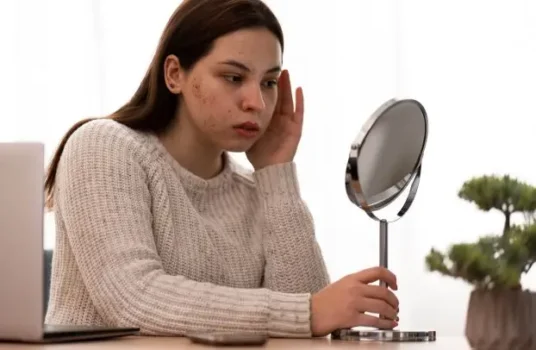
Hormonal imbalance skin problems are honestly the worst. You think you’ve finally cleared things up, and then bam another breakout or a patch of weirdly dry skin shows up out of nowhere. It feels like a constant battle with your own face. This guide is here to help you figure out why your hormones are acting up and how to actually calm things down without losing your mind.
Symptoms of high estrogen (that show up on your skin)
Look, if your estrogen is a bit high compared to your progesterone, your skin usually lets you know. You might notice your face looking a bit “puffy” or your cheeks staying flushed for no reason. Some women see melasma—those stubborn brown patches—getting darker, especially after a bit of sun.
It’s not just about the face, either. Symptoms of high estrogen often come with tender breasts, feeling bloated, or mood swings that make you want to hide under a blanket. On the skin side, you might see more visible tiny veins or just feel like your skin is “reactive” to everything. If you’re also dealing with dry, flaky spots or random hives, your hormones are likely sending you a flare signal.
Hormonal imbalance acne: how is it different?
Hormonal imbalance acne isn’t your typical teen breakout. It’s usually deep, painful, and hangs out around your jawline and chin. These spots feel like they’re under the skin and take forever to go away. It’s super common to see them flare up right before your period, during pregnancy, or if you’re dealing with PCOS.
The thing is, regular spot creams usually don’t touch these deep bumps. You need a plan that looks at the whole picture skincare that protects your barrier and lifestyle shifts that help your body find its middle ground again.
For more reading, try this from The Hormone Nest: Estrogen Dominance Hair Loss: What You Need to Know.
Which skincare products should I use?

Here’s a simple list of products that can really help:
- Cleanser: A gentle, non-stripping gel or milk. Try La Roche-Posay Toleriane Hydrating Gentle Cleanser or CeraVe Hydrating Facial Cleanser.
- Exfoliant: A salicylic acid (BHA) product, 0.5–2%, used 2–4 times a week. Paula’s Choice 2% BHA Liquid Exfoliant is a great pick.
- Treatment AM: A 4–5% niacinamide serum. The Ordinary Niacinamide 10% + Zinc 1% (use a tiny bit) or Paula’s Choice 10% Niacinamide Booster.
- Treatment PM (Option 1): A retinoid (retinol, retinal, or adapalene). Start with a gentle one like CeraVe Resurfacing Retinol Serum or a prescription adapalene gel (like Differin).
- Treatment PM (Option 2, if sensitive/pregnant): 10–15% azelaic acid. The Ordinary Azelaic Acid Suspension 10% or Paula’s Choice 10% Azelaic Acid Booster.
- Spot Care: A 2.5–5% benzoyl peroxide product for quick use on active spots. La Roche-Posay Effaclar Duo Dual Action Acne Treatment.
- Mask (1–2x/week): A sulfur or clay mask for a short time. Origins Clear Improvement Active Charcoal Mask.
- Moisturizer: A rich, skin-supporting cream with ceramides, cholesterol, and fatty acids. CeraVe Moisturizing Cream or Skinfix Barrier+ Triple Lipid-Peptide Cream.
- Sunscreen: A broad-spectrum mineral SPF 30–50. EltaMD UV Clear Broad-Spectrum SPF 46 or La Roche-Posay Anthelios Mineral Tinted Sunscreen SPF 50.
- Optional Hydration: A hydrating serum with glycerin and hyaluronic acid. The Ordinary Hyaluronic Acid 2% + B5.
Tips: Introduce one new active product at a time, waiting 2–3 weeks to see how your skin likes it. For retinoids, use a tiny, pea-sized amount, and maybe put moisturizer on first if your skin gets easily irritated. Keep your morning routine simple: cleanse (if you want), niacinamide, moisturizer, and SPF are a must!
Causes of low estrogen in 30s (and what your skin tells you)
It’s a myth that low estrogen only happens in your 50s. Honestly, causes of low estrogen in 30s are more common than people think. It can happen if you’ve been on the pill for a long time, if you’re super stressed, or even if you’re working out too hard and not eating enough.
When estrogen drops in your 30s, your skin might suddenly feel “thin” or lose its bounce. You might notice fine lines looking deeper or your skin feeling perpetually thirsty no matter how much moisturizer you use. If your periods are getting lighter or your skin just feels “dull,” it might be time to look at your estrogen levels.
How do periods, pregnancy, and perimenopause affect skin?
Before your period, oil often rises, pores clog more easily, and skin can feel a bit puffy and sensitive. Go gentle during this time: ease up on strong actives and use calming products. During pregnancy, many individuals notice a glow, but melasma and breakouts are also common.
Please stick with mild cleansers, mineral sunscreen, and azelaic acid if you need them. In perimenopause, lower estrogen can make skin drier, thinner, and more reactive. Focus on ceramides, peptides, hyaluronic acid, and daily SPF to protect and hydrate.
Can diet and lifestyle changes help with hormone‑related skin issues?
Yes. Building meals around protein, fiber, and healthy fats helps steady blood sugar, which can calm breakouts. Adding omega‑3s from fish, flax, or walnuts supports a lower‑inflammation state.
Stay well hydrated, get 7–9 hours of sleep, and move most days with walks and a bit of strength work.
Keep stress in check with easy habits—slow breathing, light stretching, or a short journal session—and your skin often follows.
Best foods for hormone balance and clearer skin
You can’t out-skincare a bad diet, but you also don’t need to be perfect. The best foods for hormone balance are the ones that keep your blood sugar steady. Think lots of fiber, healthy fats (like avocado and walnuts), and enough protein.
Try to get some Omega-3s in there to fight inflammation. When your insulin is stable, your skin is much less likely to freak out with oily patches and deep cysts. It’s about giving your body the right tools to process hormones properly.
Herbs that balance hormones: do they help skin?
There are so many herbs that balance hormones out there, but you have to be smart about them. Some people swear by Vitex or Ashwagandha for cycle issues and stress. For skin specifically, spearmint tea is a popular one because it can help lower the “male” hormones that cause jawline acne.
Just remember: herbs are powerful. Always chat with a pro before you start a new supplement, especially if you’re already on medication.
When should I see a professional for hormonal skin problems?
If acne is deep, painful, scarring, or not improving after 8–12 weeks of steady care, it’s time to book an appointment. If you also notice irregular periods, extra facial or body hair, hair thinning, or big weight shifts, ask your clinician about PCOS or thyroid testing.
A professional can tailor options like spironolactone, prescription retinoids, certain birth control methods, and targeted labs for thyroid, androgens, and insulin. Early help can prevent scars and speed up results.
Dermatologist Advice
Here’s some simple advice from a dermatologist:
- Start simple daily care: gentle cleanse, barrier moisturizer, and mineral SPF every morning. Add one active at a time—retinoid at night or azelaic acid if you’re sensitive. Give each change 2–3 weeks.
- Watch patterns and adjust: jawline flares before your period? Ease up on exfoliation in the luteal phase, use salicylic acid 2–4x/week, and spot-treat with benzoyl peroxide (short contact).
- Seek help early for deep, painful acne or scarring: ask about spironolactone, prescription retinoids, or labs for thyroid/androgens/insulin. Consistency plus the right plan beats chasing spots.
Are there natural or holistic approaches that actually help?

Some natural options are worth talking about with your doctor.
Inositol (myo- and D-chiro types) can help periods stay regular and improve how your body uses insulin, especially with PCOS.
Drinking spearmint tea (1–2 cups daily) has shown some small effects on male hormones for some people. Helping your gut health with probiotics and prebiotics can also be good for your skin.
Evening primrose oil or borage oil might ease eczema, but results vary, so watch how your skin reacts. Mind-body practices like yoga, meditation, and CBT for sleep are great for cutting stress and improving sleep, which helps your skin indirectly.
Remember, these are helpers, not replacements, for good skincare and medical care.
How do I manage hormonal imbalance skin problems long‑term?
For lasting results, stick to a simple skincare routine you can actually do every day. Keep a quick skin diary, noting changes with your period or big life events. Every few months, think about your active products—what to pause, what to swap, what your skin truly needs.
Always protect your skin barrier by not over-washing, over-scrubbing, or using too many products at once. Build daily habits that keep your insulin and cortisol steady through good food, regular movement, enough sleep, and managing stress. And please, don’t wait to get professional help if acne is scarring or not getting better.
You may also like this from The Hormone Nest: Hormonal Imbalance and Back Pain: The Surprising Connection.
What sunscreen and makeup choices are best for hormonally reactive skin?
Daily broad-spectrum SPF 30–50 is a must, especially to stop acne marks from getting darker and to help with melasma. Mineral sunscreens (zinc oxide, titanium dioxide) are often best for sensitive or reactive skin.
Pick textures that suit you—gels/fluids for oily skin, creams for dry. Look for “non-comedogenic” labels if you get acne, and always test new makeup or sunscreen on a small patch first.
To remove makeup, use a gentle oil or balm cleanser, then a water-based one if needed, and no harsh scrubbing.
Can I prevent post‑inflammatory hyperpigmentation (PIH)?
Yes! The biggest thing: absolutely no picking or squeezing pimples. That just makes inflammation worse and marks last longer. Daily broad-spectrum SPF is non-negotiable; UV light makes PIH much darker.
For better tone, try azelaic acid, niacinamide, vitamin C (if your skin likes it), and a retinoid at night. Remember, these marks fade over weeks to months, so be patient and consistent.
What role do the thyroid and PCOS play in skin changes?
Both can cause major skin shifts. PCOS usually means more oil and acne, while thyroid issues often lead to very dry, dull skin. If your skin feels “off” and you have other symptoms like hair thinning or weird energy levels, get your labs checked. you can find further information PCOS Treatment Guidelines That Actually Work
How quickly will I see results?
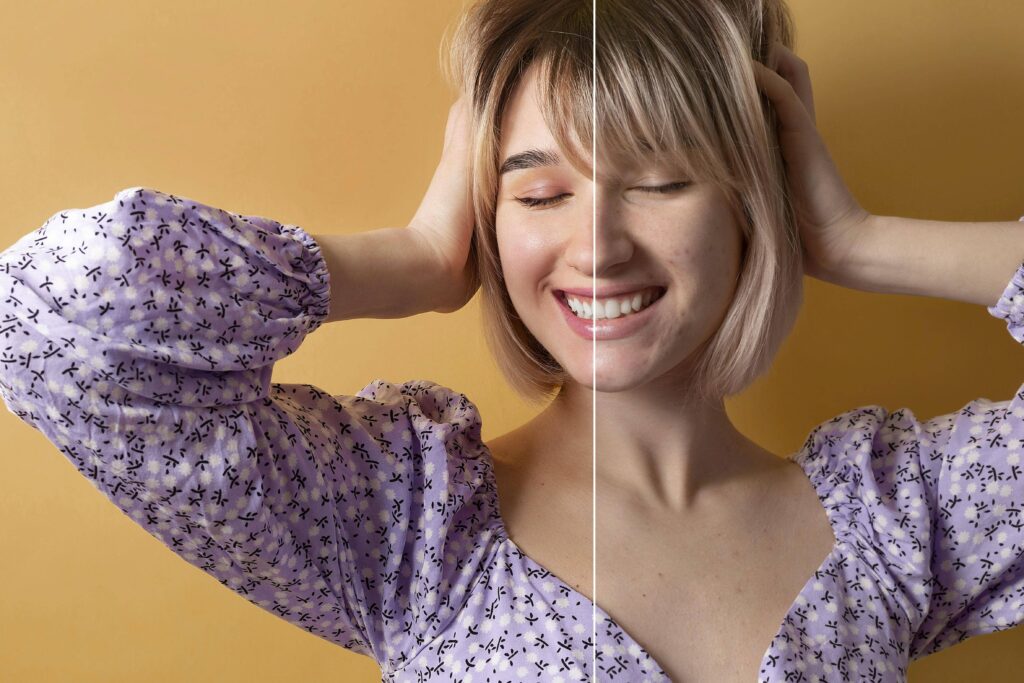
Dealing with hormonal skin issues is a marathon, not a sprint. You might notice oil balance improving in 2–4 weeks with a steady routine. Active acne usually calms down in 6–12 weeks, with deeper spots taking longer. Changes in skin texture and tone (with retinoids, azelaic acid, niacinamide) often show up around 8–16 weeks.
Those dark marks (PIH) can take weeks to many months to fade, and daily SPF is super important here. Think in seasons, not days. Take good photos and celebrate every little win along the way.
References
Thiboutot D. et al. Pathophysiology of acne and role of hormones. Journal of the American Academy of Dermatology: https://www.jaad.org/
Zaenglein AL. et al. Guidelines of care for the management of acne vulgaris. American Academy of Dermatology: https://www.aad.org/
Smith RN. et al. A low‑glycemic‑load diet improves acne. The American Journal of Clinical Nutrition: https://academic.oup.com/ajcn
O’Neill JL and Feldman SR. Vitamin D and the skin. Dermato‑Endocrinology: https://www.tandfonline.com/
Harper JC. Hormones and women’s skin across the lifespan. International Journal of Women’s Dermatology: https://www.journals.elsevier.com/international-journal-of-womens-dermatology
Disclaimer
This article is for educational purposes only and is not a substitute for personal medical advice. Always consult a qualified clinician for diagnosis and treatment tailored to your health history and medications.