Ons Chrysogelos

Lately, not feeling like yourself? You’re not alone. If your desire’s dropped, you don’t have to rush to prescriptions. Natural remedies for low libido can offer real support without making things complicated. Let’s cut through the noise—here’s what messes with desire, what you can actually do at home, and when it’s time to get some extra help.
What messes with your libido?

Honestly, it’s almost never just one thing. Usually, it’s a mashup of your body, mind, hormones, and daily routines all tangled together. Hormones are a big piece: when estrogen, progesterone, testosterone, thyroid hormones, or cortisol swing out of balance, your sex drive feels it.
Stress adds fuel to the fire—when it piles up, your body pumps out more cortisol, which disrupts sex hormones, mood, and sleep. Lack of sleep drains energy, undermines motivation, and scrambles hormones.
Medications can matter too; SSRIs, certain birth controls, and blood pressure medicines can blunt desire.
Relationship dynamics play a role—unresolved arguments, mental overload, or drifting emotionally can chip away at intimacy. Health issues such as depression, anxiety, PCOS, menopausal changes, thyroid dysfunction, diabetes, and anemia may all contribute. And yes, substances like alcohol or cannabis in excess can slow things down in the bedroom.
Try this simple experiment: for the next couple of weeks, jot a quick daily snapshot—how your energy feels, your stress level, hours of sleep, where you are in your cycle (if applicable), which meds or supplements you took, and a 0–10 rating for libido. Patterns start to pop, and it becomes much easier to see what actually helps. For practical ways to lift energy and mood in midlife, see Menopause Fatigue Treatment: Regain your Spark Daily.
How do you actually boost libido, naturally?
Start with the basics—the low-risk, high-impact moves. Aim for 7–9 hours of sleep with consistent bed and wake times, even on weekends. About 90 minutes before bed, dim the lights and step away from the endless scrolling.
Many people find magnesium glycinate (200–400 mg at night) supports better sleep. Build in a daily stress reset that takes just 5–15 minutes.
Try several rounds of “physiological sighs” (two quick inhales through the nose followed by a long, slow exhale), take a 10-minute post-lunch walk to settle stress hormones, or use a short guided relaxation, prayer, or breathwork session.
Feed your body with enough protein and key minerals: aim for 20–30 grams of protein at each meal and don’t skip breakfast. Nutrients like iron, zinc, B12, iodine, and selenium support thyroid and sex hormones; if fatigue lingers, ask your clinician about a blood panel.
Get a few minutes of morning sunlight (5–10 minutes) to anchor your body clock and support testosterone. Add strength training two or three days per week to improve insulin sensitivity and build body confidence. And don’t overlook intimacy hygiene: carve out time for connection that isn’t only about sex—think touch, cuddling, kisses, or a simple massage. Ease up on performance pressure and make space for playful, no-expectation intimacy.
Which supplements actually help?
Always talk to your healthcare person before starting new supplements, especially if you’re pregnant, nursing, or taking other meds.
-Maca (1.5–3 g/day): Some research says it helps with desire and sexual function after several weeks. Gelatinized maca’s easier on digestion.
-Ashwagandha (300–600 mg/day): Can lower stress and sometimes boosts arousal and satisfaction. Don’t use if you have hyperthyroidism, unless your doctor says it’s fine.
-Tribulus terrestris (250–750 mg/day): Results are mixed, but some women notice a benefit.
-Panax ginseng (200–400 mg/day): Might help with arousal and energy. Watch out if you have high blood pressure.
-Saffron (28–60 mg/day): Small studies show it eases sexual side effects from SSRIs.
-L-arginine (2–6 g/day): Improves blood flow. Sometimes paired with ginseng or yohimbine (but don’t use yohimbine without a doctor’s okay).
-Omega-3s (1–2 g/day EPA+DHA): Good for mood and controlling inflammation.
-Vitamin D: Get your levels checked first. Fixing a deficiency helps mood and hormones.
Just start one new supplement every few weeks. That way you’ll know what’s actually making a difference.
Do hormones really affect libido?
Absolutely. Your sex drive follows your hormone rhythms, especially sex hormones and thyroid function. If you notice things like irregular periods, vaginal dryness, hot flashes, low energy, weight changes you can’t explain, thinning hair, or low mood, it’s time to talk testing.
Ask your doctor about these labs: CBC, ferritin, B12, vitamin D TSH, free T4, free T3, thyroid antibodies (if needed) FSH, LH, estradiol, progesterone (timed to your cycle), total and free testosterone, SHBG, DHEA-S Fasting glucose, HbA1c, fasting insulin, lipid panel
And don’t forget—lifestyle still matters. Even if you need hormone support, things like sleep, stress care, protein, and strength training make everything work better.
For thyroid-related context (including how estrogen can affect thyroid hormone availability), see Estrogen Dominance Hair Loss: What You Need to Know.
Can stress and mental health drag down libido?
Totally. Chronic stress puts your body in survival mode, not romance mode. Anxiety and depression sap motivation and pleasure. It’s not your fault—it’s just biology.
What helps?
Cognitive behavioral therapy (CBT) and sex therapy can help with mismatched desire or anxiety about sex. Mindfulness-based sexual therapy helps you tune in and get out of your head. Even 10–20 minutes of daily movement lifts your mood. Make time for friends or community—just hanging out, nothing heavy.
Diet matters for libido?

Yes, but you don’t need to eat perfectly—just give your body the basics it needs.
Go for protein and fiber with every meal to keep your energy steady. Pile your plate with colorful fruits and veggies; those polyphenols help blood flow and keep your blood vessels healthy. Don’t skip healthy fats like olive oil, avocado, and nuts—they help your body make hormones. Stay hydrated. You want your urine pale yellow, and if you sweat a lot, throw in some electrolytes. Cut back on booze—one drink a day is plenty. Skip the ultra-processed stuff that makes your energy spike and crash.
Here’s a libido-friendly day:
-Breakfast: Greek yogurt with berries, pumpkin seeds, and a little honey.
-Lunch: Lentil or chicken bowl—add greens, roasted veggies, olive oil, and quinoa.
-Snack: Apple with almond butter or hummus and carrots.
-Dinner: Salmon or tofu, sweet potato, arugula salad with lemon and olive oil.
Looking for natural ways to boost arousal and lubrication?
Blood flow and relaxation matter most. Take your time—slow things down with 15–20 minutes of non-genital touch or kissing.
Get in tune with your pelvic floor—try gentle breathing down to your pelvis. If you notice pain or tension, a pelvic floor physical therapist can help.
For lubrication, pick a water- or silicone-based, pH-balanced lube. Steer clear of glycerin if you’re prone to irritation or yeast infections. To help blood flow, try a warm bath, light movement, or eat foods with L-arginine like beets, leafy greens, and citrus. Sensate focus exercises—just exploring touch with no goal—can help retrain desire.
It’s time to see a healthcare professional if:
Your low libido is new and sticks around for more than 3 months. You have pain during sex, bleeding, or constant dryness. Your mood drops or nothing feels enjoyable anymore. You think you have a hormone or thyroid problem. Side effects from your meds are dragging down your quality of life. A good clinician can help run labs, tweak medications, and talk through things like therapy, pelvic floor care, or hormone support.
Want some quick wins?
Try this:
-Tonight: Dim the lights early, take 10 minutes to wind down, and aim for 7–8 hours in bed.
-Tomorrow morning: Get some sunlight, eat a protein-heavy breakfast, take a short walk.
-During the day: Give yourself a 10-minute stress break, drink water, and fit in a strength workout this week.
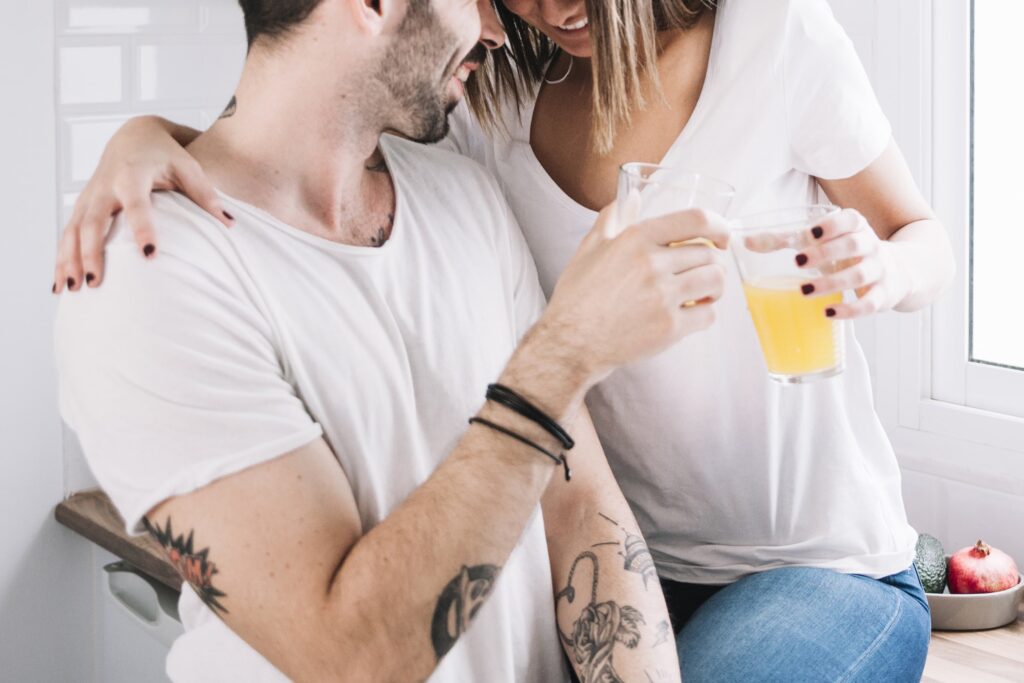
With your partner: Block out 30 minutes just to connect—no pressure.
This month: Check your labs (iron, thyroid, vitamin D) and add a supplement if you need it.
FAQs at a glance
- Is low libido normal sometimes? Yes. Fluctuations happen across the month and life seasons.
- Will lifting weights really help? Often, yes—strength training supports insulin sensitivity, body image, and testosterone.
- Do I need to cut all alcohol? Not necessarily—consider a personal cap and track how it affects sleep and desire.
- Can I fix this without meds? Many people improve with lifestyle, relationship work, and targeted supplements; others benefit from medical support too.
- How long until I notice changes? Foundations can help within 2–4 weeks; supplements may take 4–12 weeks.
References
- Clayton AH, Harsh V. Sexual dysfunction related to depression and antidepressant medications. Psychiatric Clinics of North America. 2010. https://www.ncbi.nlm.nih.gov/pmc/articles/PMC2945849/
- Islam MA et al. Saffron for sexual dysfunction: A systematic review. Human Psychopharmacology. 2019. https://pubmed.ncbi.nlm.nih.gov/30941838/
- Lopez HL et al. Maca and sexual function: Review of clinical evidence. Andrologia. 2010. https://pubmed.ncbi.nlm.nih.gov/20078667/
- Lange D et al. Ashwagandha in stress management: Systematic review. Medicine (Baltimore). 2021. https://pubmed.ncbi.nlm.nih.gov/34560214/
- Pastuszak AW. Testosterone and sexual function: A review. Sexual Medicine Reviews. 2014. https://pubmed.ncbi.nlm.nih.gov/27784551/
Disclaimer:
This content is for educational purposes only and is not medical advice. Always consult your qualified healthcare professional before making changes to your diet, supplements, medications, or treatment plan, especially if you’re pregnant, nursing, or managing a medical condition.