Ons Chrysogelos
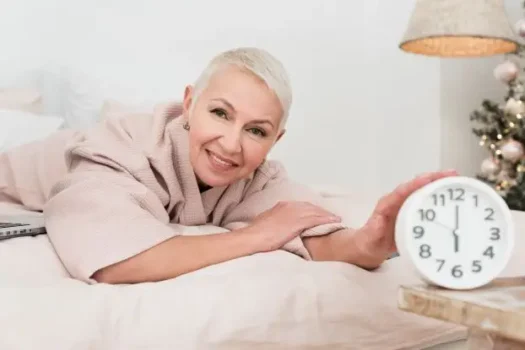
Last Tuesday at 3 a.m., I got a message from a friend. “Is this normal?” she wrote. “I’ve changed my pajamas twice tonight and I’m sitting on a towel.” Yes, I told her. Frustratingly, maddeningly normal. If you’re searching for menopause night sweat relief right now – maybe at 2 a.m., maybe after another ruined night – know this gets better. Not always quickly, not always easily, but it does.
Women describe night sweats differently. Some say it’s like someone turned on a furnace inside their chest. Others wake up confused, thinking they spilled water on themselves. However yours show up, they’re exhausting. And fixable.
Sweating around neck and chest at night
One of the most common things women describe is sweating around the neck and chest at night. The rest of the body might be fine, but the skin across your collarbones, between your breasts, down the center of your chest is suddenly drenched. You throw the covers off, then five minutes later you’re shivering and pulling them back up. Neck, chest, scalp – those hot zones are classic for menopause night sweats.
Estrogen levels during perimenopause swing wildly. Up, down, up again, crash. Your hypothalamus, which controls body temperature, relies on steady estrogen signals. When those signals get erratic, it panics and thinks you’re overheating when you’re not. Emergency cool-down mode kicks in: blood vessels dilate, heart speeds up, sweat glands activate. Happens in seconds.
Stress amplifies it. So does a warm room, alcohol, heavy meals, spicy food, sometimes even strong emotions. A woman I know – we’ll call her Mara – realized her worst episodes happened after difficult work calls. She started doing ten minutes of breathing exercises before bed on those days. Helped more than she expected.
Your body isn’t broken. Just responding to confusing signals.
How to stop menopause sweats tonight (or at least calm them down)
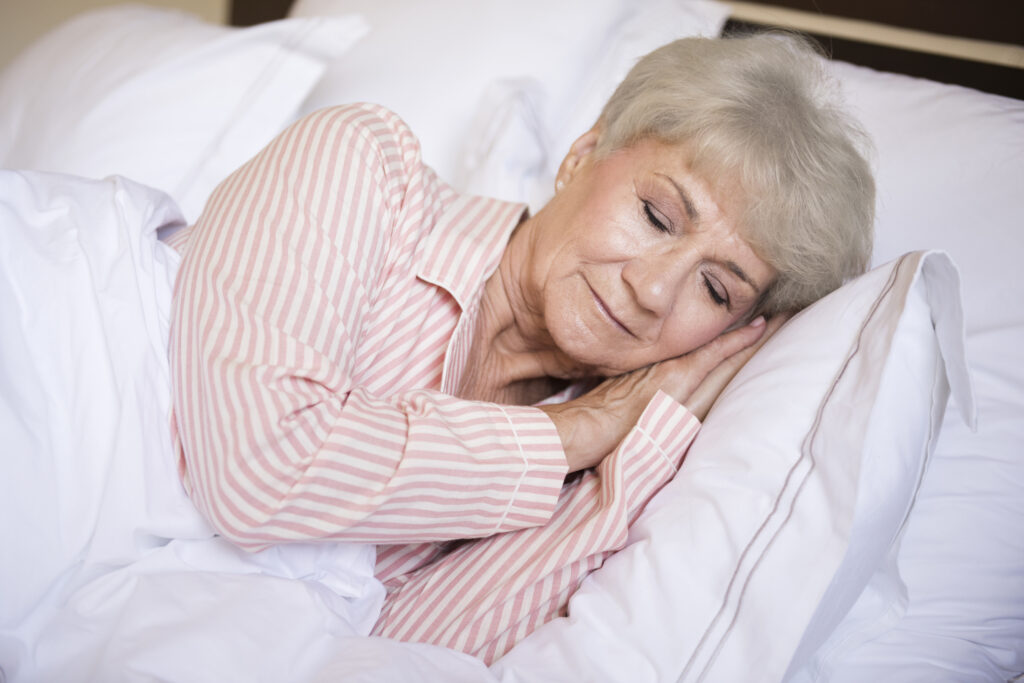
Let’s talk about how to stop menopause sweats from wrecking your sleep tonight – or at least calm them down.
Cool your bedroom down aggressively. 16 to 18°C if you can manage it. Open windows, use a fan. Yes, you’ll feel cold getting into bed. You’ll warm up fast, and when the next wave of sweating around your neck and chest hits, you’ll be glad.
Ditch anything on your bed that traps heat. Polyester sheets? Enemy number one. Bamboo or linen let heat escape. Same with pajamas – loose, light, natural fibers. A soft cotton tank plus breathable bottoms is usually better than thick “cozy” sets.
Put a damp washcloth in the freezer right now. When you wake up hot at 2 a.m., that cold cloth on the back of your neck feels like a miracle. Keep water by your bed too. Room temperature, not ice cold, so it doesn’t shock your system.
Take a lukewarm shower about an hour before bed. Your core temperature drops naturally afterward, which tells your brain that sleep time is coming.
Skip alcohol tonight. I know. But alcohol is gasoline on the night sweat fire. Try cutting it for three nights in a row and see what happens.
When you wake up hot – and you probably will – don’t spiral. Sit up slowly. Breathe. Use that frozen cloth. Sip water. This passes in a few minutes. Panic makes it worse.
Mara keeps everything she needs in a basket next to her bed. Spare shirt, towel, water bottle, frozen cloth. Makes her feel less ambushed by her own body.
Menopause night sweats: small daily shifts that add up
Quick fixes get you through tonight. Regular menopause night sweats need a broader strategy. Small, sustainable changes that actually work.
Movement matters more than most people realize. Not intense exercise (that can trigger hot flashes), but regular, moderate movement. Walking, swimming, yoga, cycling. About 30 minutes most days. Women who move regularly often report fewer and less intense night sweats.
Hydration is huge. Your body regulates temperature through sweat. Dehydrated? That system struggles. Aim for 1.5 to 2 liters of water daily. Not coffee, not tea – water.
Food timing makes a bigger difference than you’d think. Heavy meals late at night, spicy foods at dinner, caffeine after 2 p.m. – these all increase night sweats. Try eating your largest meal at lunch, keep dinner light and early. Protein at every meal stabilizes blood sugar, which steadies hormones a bit too.
The Hormone Nest has a helpful article on sleep and hormones: Hormonal Insomnia Treatment: Sleep Better!
Mara started walking 20 minutes after dinner. Not to lose weight, just because she’d read it might help. Two weeks in, sleeping better. Not perfectly, but better.
Herbal remedies for night sweats (and other helpers)
Should you take supplements? Maybe. Evidence is mixed, quality varies wildly, what works for one person does nothing for another.
Magnesium glycinate is probably the safest bet. Calming, helps with sleep, most people are deficient. Start with 200-300 mg at bedtime. Give it two weeks. Won’t eliminate night sweats, but might reduce frequency.
Omega-3 fatty acids help with inflammation and mood, which indirectly improves sleep. Quality fish oil or algae-based supplement if you’re vegetarian.
Vitamin D deficiency is incredibly common and worsens menopausal symptoms. Get tested – if you’re low, supplementing makes a real difference. Don’t guess.
Black cohosh, red clover, sage extract? Mixed evidence at best. Some studies show benefit, others nothing. Quality control is a huge problem. If you try one, buy from a reputable brand.
Mara tried magnesium first, nothing else. Wanted to know if it actually worked. Three weeks later, waking up less at night. Not dramatic, but enough.
Hormone therapy and other medical options
Let’s talk about the most effective medical treatment for menopause night sweat relief: hormone therapy. Nothing else comes close. Estrogen, often combined with progesterone if you still have your uterus, can reduce or almost eliminate night sweats for many women.
Within 10 years of your last period, under 60, generally healthy? Hormone therapy is usually safe. The risks that scared everyone in the early 2000s have been largely re-evaluated. For many women, the benefits – better sleep, stronger bones, improved quality of life – outweigh the risks.
But I get it if you’re nervous. Messaging around HT has been confusing and often fear-based. Or maybe you have a medical history that makes HT risky – certain cancers, blood clots, stroke, severe migraines with aura. Valid reasons to look at non-hormonal approaches.
Non-hormonal medications can help: low-dose antidepressants (SSRIs and SNRIs), gabapentin, oxybutynin. They’re not as powerful as estrogen for how to stop menopause sweats, but they can still dial symptoms down enough for decent sleep.
Talk to your doctor. Bring a sleep log showing frequency and severity of your night sweats. Ask about all your options. Ask about risks specific to your health history. Decide together based on real information, not headlines.
Mara was terrified of hormone therapy. Scary stories from friends, alarming articles. But she was also exhausted and desperate. She made an appointment, brought questions, had an honest conversation. They tried low-dose transdermal estrogen. Six weeks later, her night sweats had decreased by about 70%. She wished she hadn’t waited so long.
There’s no shame in choosing hormone therapy. Also no shame in choosing not to. The right choice is the one that works for your body and your life.
Your bedroom matters

Sleep environment can be the difference between waking up five times and sleeping through.
Sheets: ditch polyester or high thread count cotton (traps heat). Switch to linen, bamboo, or Tencel. Breathable, wicks moisture.
Mattress: if yours sleeps hot, get a cooling topper. Gel-infused foam or breathable latex.
Pillows: cooling gel inserts or breathable materials work.
Keep a “night sweat kit” within reach: spare pajama top, small towel, water bottle, frozen washcloth. Make it easy to deal with a night sweat and get back to sleep.
Mara bought bamboo sheets and a cooling pillow. First night, woke up once instead of four times. Small miracle.
Track your triggers
Everybody is different. Your triggers aren’t the same as someone else’s. Track it.
Simple log for two weeks. What you ate and when, alcohol or caffeine, stress level, bedtime, number of night sweats, intensity.
Patterns emerge. Wine with dinner. Eating after 7 p.m. Work stress. Once you see the pattern, make informed choices.
Mara discovered Friday night wine plus later dinner guaranteed terrible sleep. Started having dinner at 6:30, saving wine for special occasions. Sleep improved dramatically. Didn’t feel deprived because she’d made the choice based on her own data.
When to see a doctor

Night sweats come on suddenly and severely? See a doctor. Accompanied by fever, unexplained weight loss, chest pain, extreme fatigue? See a doctor immediately. Could be something other than menopause.
Under 40 with menopausal symptoms? Get evaluated. Early menopause needs proper attention.
Tried lifestyle changes for two to three months and still miserable? Don’t tough it out. Effective treatments exist.
Before you go
Dealing with other perimenopause symptoms – weight gain, mood changes, brain fog? This article might help: Perimenopause and Weight Gain: What Really Helps
Night sweats are one piece of a bigger puzzle. You’re not falling apart. Your body is transitioning. Transitions are messy. But you have options, support, and you will get through this.
Start with one thing tonight. Cool your bedroom. That frozen washcloth. Skip the evening wine. Pick something doable. Tomorrow, pick something else.
You don’t have to fix everything at once.
References
- North American Menopause Society. Hormone Therapy Position Statements. https://www.menopause.org/
- Mayo Clinic. Hot flashes: What can you do? https://www.mayoclinic.org/
- Cochrane Reviews on non-hormonal treatments for vasomotor symptoms. https://www.cochranelibrary.com/
- Sleep Foundation. Ideal bedroom temperature for sleep. https://www.sleepfoundation.org/
Disclaimers
This article is for educational purposes only and is not a substitute for personalized medical advice. Always consult your healthcare provider to determine what is appropriate for your specific situation, medications, and health history.
This article contains affiliate links. If you click and make a purchase, we may earn a small commission at no extra cost to you. We only recommend products I genuinely believe may help.