Ons Chrysogelos
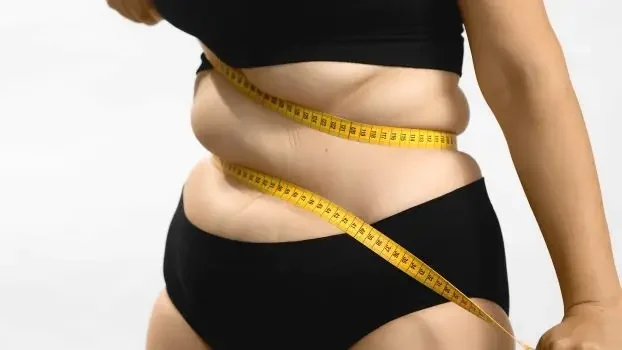
Best supplements for perimenopause belly fat matter when your body rewrites the rules and that stubborn belly refuses to budge, no matter what you try.
Look, I’ll be straight with you – supplements aren’t magic. They help, sure. But a miracle cure? Nah. Still, the right ones paired with some basic lifestyle stuff can actually move things in the right direction.
Why does perimenopause cause belly fat in the first place?
Ever notice you’re doing more or less the same things… but your jeans suddenly disagree? Yeah, that’s not in your head.
So, here’s what happens. During perimenopause, estrogen and progesterone don’t just quietly fade away. They spike, crash, and basically throw a tantrum. This does a few things:
- Your body starts storing more fat around your middle instead of, you know, everywhere else
- Insulin resistance goes up, so carbs and sugar pack on fat way easier than before
- Cortisol (that stress hormone) gets involved, and guess what? It loves belly fat
And if you’re not sleeping well, feeling stressed, and maybe moving less cause you’re exhausted… it spirals fast.
That’s why the best supplements aren’t just “fat burners”. The ones that actually help are the ones that support your hormones, stress, sleep, and blood sugar.
Best supplements for perimenopause

Alright, let’s get into it. The combo that works best for most women usually includes:
- Magnesium
- Omega-3 fatty acids
- A good protein powder (especially if you’re not eating enough protein)
- Vitamin D3 + K2
- A blood sugar support supplement like berberine or inositol
You don’t need every supplement on the internet. Just a few smart picks can help with the systems perimenopause loves to mess with.
These natural supplements for perimenopause weight gain actually tackle root causes instead of just covering up symptoms. That’s why they’re worth a shot.
Want to dig deeper into what’s happening with your hormones? Check out this guide: Perimenopause and Menopause – From Chaos to Clarity.
Best supplements for perimenopause weight gain
Magnesium isn’t a weight loss pill. But it works quietly in the background on stuff that actually blocks fat loss when you’re in perimenopause:
- Better sleep (finally)
- Calms your nervous system down so you’re not wired at 2 a.m.
- Helps keep blood sugar and insulin in check
- Eases muscle tension and those cramps that feel like periods but aren’t
When you start sleeping better and your stress isn’t through the roof, your body stops clinging to every bit of belly fat “just in case.”
Couple tips:
- Magnesium glycinate or bisglycinate are easier on your stomach
- Most women do well with 200-400 mg in the evening, but check what you’re already getting from other sources
Honestly, when sleep improves, everything else starts feeling a little more manageable.
Perimenopause natural supplements that actually work
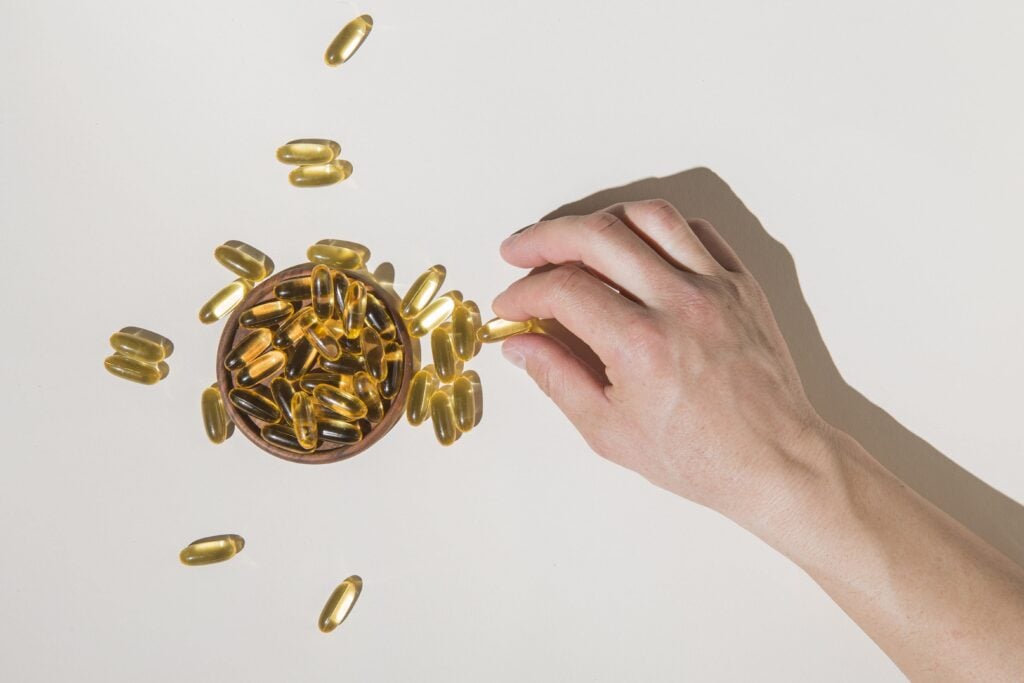
Omega-3s (fish oil or algae oil) don’t get enough credit at this stage.
They won’t melt fat off. But here’s what they do:
- Bring down inflammation
- Help your body respond better to insulin
- Keep triglycerides balanced and support heart health – which matters way more in midlife
And bonus? Omega-3s can smooth out your mood a bit, so you’re less likely to stress-eat or demolish a bag of chips at 9 p.m.
If you don’t eat much fatty fish (salmon, sardines, mackerel), an omega-3 supplement with both EPA and DHA is a smart addition. It’s one of those perimenopause natural supplements that just makes sense for overall health, not just weight.
Best diet for perimenopause belly fat – and the supplements that help
That classic “hormonal belly”? Usually ties back to blood sugar. When insulin’s constantly high, your body hoards fat around your waist like it’s preparing for winter.
Here’s what can help:
- Berberine – some people compare it to metformin for how it affects blood sugar and insulin
- Inositol (myo-inositol especially) – helps with insulin sensitivity and tames cravings
- Cinnamon extract – gives blood sugar a little boost, especially after carb-heavy meals
Will these fix a diet loaded with sugar? No. But pair them with more protein, more fiber, and some movement, and your body has an easier time handling carbs without storing everything as belly fat.
Plus, when perimenopause messes with your appetite and cravings, any extra help is a win. These supplements for perimenopause belly fat work best when combined with the right eating approach.
Can protein powder really help with perimenopause belly fat?
This one surprises a lot of women.
A ton of women in their 40s and 50s just don’t eat enough protein. And that makes it way harder to:
- Keep muscle (or build any)
- Actually stay full between meals
- Keep blood sugar from spiking all over the place
Less muscle means slower metabolism. Add stress and hormone chaos? Yeah, belly fat shows up fast.
A scoop of protein powder – whey, a collagen blend, or a solid plant-based option – makes it way easier to hit 20-30 grams of protein per meal.
Glamorous? Not really. But it works. And sometimes, that’s enough.
Best probiotic for perimenopause and belly bloat
Not exactly a flat-belly miracle, but hear me out. Your gut and hormones? They’re in constant conversation.
Lots of women notice that when they take care of their gut, things start to shift. Less bloating. Digestion feels smoother. Cravings for sugar go down. All of that adds up. Your belly might start to look and feel different, even if your weight barely budges.
If you want to dive deep into how gut health and hormones connect, check out Perimenopause and Weight Gain: What Really Helps. It breaks it down nicely.
When it comes to choosing the best probiotic for perimenopause, you don’t need anything fancy. Honestly, a basic probiotic or even just adding some fermented foods to your meals can do the trick. You don’t need a bottle with 15 strains – simple wins here.
Best perimenopause supplements for weight loss – what really works
Okay, brace yourself. This part’s annoying. Supplements aren’t quick fixes. Most women need a solid 8-12 weeks – plus some lifestyle changes – before they really see anything shift.
But smaller wins show up sooner. Better sleep. Less bloating. Fewer brutal afternoon crashes. All good signs. The belly fat? That’s usually the last stubborn thing to move.
The women who do best aren’t perfect. They’re just consistent – most of the time. They pick a few key supplements, stick with them, and make small changes they can actually keep up with. Not all or nothing.
And honestly? The best perimenopause supplements for weight loss are the ones you’ll actually take consistently. That matters more than finding some “perfect” stack.
Are there supplements to avoid?
Anything promising to “melt belly fat fast” should set off alarm bells. Watch out for high-stimulant fat burners – they’ll crank up your heart rate and anxiety. Skip the mystery hormone blends with no clear ingredients. And don’t mess with high-dose iodine or thyroid stuff unless a doctor tells you to.
Even gentle-sounding herbs can mess with medications or health conditions. If you’re taking meds for blood pressure, thyroid, mood, or blood sugar, double-check with your doctor before adding anything new.
Can supplements replace diet and exercise?
Nope. Supplements are the backup dancers, not the star of the show.
If you want to tackle perimenopause belly fat, here’s what matters most: Eat enough protein. Do some strength or resistance training a few times a week. Move your body most days, even if it’s just walking. Find a way to manage stress that doesn’t make you miserable. Treat sleep like it’s non-negotiable.
Supplements can help make all that easier. But they’re not the foundation.
And honestly, one of the biggest game-changers is just accepting that your body’s gonna change. You can still feel good in your skin and support a healthy weight, just don’t chase perfection. It’s a losing game.
Best hormone supplements for perimenopause – the bottom line
If you’re dealing with stubborn belly fat in perimenopause, you’re not doing anything wrong. Your hormones, stress response, sleep, and blood sugar are just playing by a new rulebook.
The best hormone supplements for perimenopause usually:
- Support better sleep and stress
- Help with blood sugar and insulin
- Protect muscle and metabolism with enough protein
- Calm inflammation and support gut health
Start small. Maybe add magnesium at night or a daily protein shake. If it makes sense, layer in omega-3s, berberine, or inositol. And if all of this feels overwhelming, you’re definitely not alone. Most women start out confused and frustrated. But with a little trial and error and a lot of kindness toward yourself – you’ll find a routine that actually works for your real life.
References
- Harvard T.H. Chan School of Public Health – Magnesium and Health: https://www.hsph.harvard.edu/nutritionsource/magnesium/
- National Institutes of Health – Omega-3 Fatty Acids Fact Sheet: https://ods.od.nih.gov/factsheets/Omega3FattyAcids-Consumer/
- National Institutes of Health – Vitamin D Fact Sheet: https://ods.od.nih.gov/factsheets/VitaminD-Consumer/
- National Institutes of Health – Inositol Fact Sheet: https://www.ncbi.nlm.nih.gov/books/NBK553170/
Disclaimer
This article is for informational and educational purposes only and is not a substitute for professional medical advice, diagnosis, or treatment. Always talk with your healthcare provider before starting, changing, or stopping any supplement, medication, or health regimen, especially if you have existing conditions or take prescription drugs.