Ons Chrysogelos

Back pain menopause. Just seeing those two together is enough to make your shoulders tense up, right? If your lower back has started grumbling for no obvious reason, you are not imagining it. This is common. And yes, it can feel unfair.
Hormones start shifting. Estrogen drops. Sleep gets patchy. Muscles feel a bit… flimsy. And then your back joins in like, “Cool, I’ll make everything harder.”
A friend of mine – let’s call her Sarah – rang me one morning and said, “I swear my spine aged 30 years in 6 months.” She’s late 40s, busy, not dramatic. But getting out of bed started to feel like a whole event. If that sounds familiar, you are very much not alone.
Let’s unpack what’s going on – in plain English – and what you can realistically do about it.
Back ache menopause: Why it shows up now?
Back ache menopause is often less about one big injury and more about a slow pile-up of small stuff.
When estrogen falls, your body can get a little less forgiving. Joints may feel stiffer. Tissues can feel less springy. You can lose muscle faster if you’re not using it (and honestly, who has time to “train” when life is already training you?).
And then there’s modern life. Lots of sitting. Lots of leaning forward. Laptops, phones, driving, stress-scrolling at 11pm because sleep isn’t happening anyway.
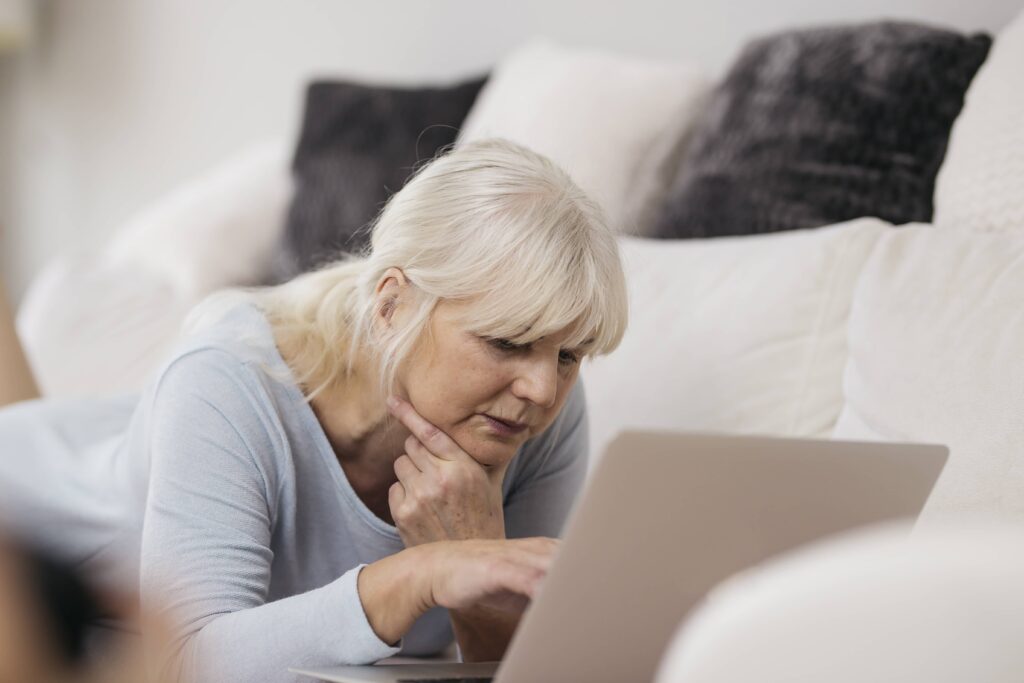
So your back gets less support, more tension, and fewer breaks. It complains. Loudly.
If you want a deeper hormone + pain connection (without the medical word soup), this internal read is worth it: Hormonal Imbalance and Back Pain.
Does menopause cause lower back ache?
Does menopause cause lower back ache? It can. Not every time. Not for every woman. But it’s absolutely a thing.
Sometimes menopause is the “match” and your daily habits are the “dry wood.” Like, your posture has been a bit questionable for years, but your body handled it. Then perimenopause hits, sleep tanks, stress climbs, muscle strength dips… and suddenly the lower back is done being polite.
Also, pain can feel louder when you’re tired. And menopause tired is a special kind of tired. The kind where you forget why you walked into a room, and your back hurts just looking at the laundry basket.
So no, it’s not all in your head. But it’s also not always “just hormones.” It’s usually a combo.
How are hormones and back pain connected?
Think of estrogen as quiet background support. It helps your joints, your muscles, even your bones. When estrogen drops, the support drops too.
What can happen:
- Less collagen, so tissues and ligaments feel less springy.
- More inflammation creeping in the background.
- Quicker muscle loss if you are not doing strength work.
That mix can make your back feel more sensitive to normal, everyday stuff. Things you used to do without a second thought suddenly feel heavier or more draining.
Then add stress hormones like cortisol. When you are constantly “on”, your muscles tighten. Neck, shoulders, lower back – they are classic tension zones. Poor sleep ramps that up even more. It is all connected, annoyingly.
If you want to see menopause in the bigger picture, not just “my back hurts”, this is a good read: Perimenopause and Menopause. It gives a decent overview of what your body is trying to cope with at once.
Back pain and menopause symptoms
Menopause back pain symptoms can look different person to person, but there are patterns. And they often overlap with other back pain and menopause symptoms.
You might notice:
- A dull ache across the lower back that won’t fully leave
- Stiffness when you first stand up (bed, sofa, car – pick your enemy)
- Pain that eases when you move, then returns when you sit too long
- A “tight belt” feeling through the hips or low spine
And yes, some days it feels fine. Then the next day you bend to unload the dishwasher and your back acts like you tried to deadlift a fridge.
One thing I hear a lot is, “Once I get going, it’s better.” That’s a clue. Your back usually likes gentle movement. It hates being frozen in one position.
Hip and lower back pain menopause
Hip and lower back pain menopause is super common. And it can be confusing, because you don’t always know what’s the source.
Sometimes the pain is actually coming from tight hips and weak glutes, not the spine itself. (Your glutes are meant to help. If they’re asleep, your back picks up the slack. Your back did not sign up for that.)
Other times it’s irritated joints, or muscles that are constantly tense because stress is doing its thing. Or it’s sleep. Again. Always sleep.
A simple, non-fancy check-in you can do: notice what makes it worse. Is it long sitting? Standing still? Walking uphill? Lying on one side? Those patterns can help a physio pinpoint what’s going on.
And if your hip pain is sharp, worsening, or messing with your walking, get it assessed. Don’t do the “I’ll just stretch harder” thing. That rarely ends well.
How do I know if my back pain is serious?
Most menopause related back pain is annoying, but not dangerous. Still, you should not ignore red flags. Always get checked by a doctor or other qualified professional if you notice:
- Back pain with fever or feeling really unwell.
- Back pain plus unexplained weight loss.
- Pain shooting down one or both legs.
- Weakness, numbness, or tingling in your legs.
- Loss of bladder or bowel control.
- Sudden, intense pain after even a small fall or knock.
Menopause also increases the risk of osteoporosis, which can make the spine more fragile. So if your back pain comes out of nowhere and feels very sharp or “different”, that is not the time to just grab a heat pack and hope for the best. It is the time to get proper medical advice.
What helps with back ache menopause?
There is no single magic fix. But a few simple things tend to help a lot when you keep at them.
Gentle movement (even if you do not feel like it)
Your back usually prefers movement to total rest. Walking, easy stretching, swimming, yoga, Pilates – all of these can help your spine feel less stiff and cranky. You do not need intense workouts. Think: “a bit most days” instead of “smash it twice a month”.
Strength work (in small, realistic doses)
Stronger muscles take some pressure off your joints and spine. You do not need to live in the gym. Little things help:
- Bodyweight squats while the kettle boils.
- Light weights for your arms and shoulders.
- Glute bridges on the bedroom floor.
It is not glamorous, but it adds up. And it also helps with weight, sleep, and mood, which sneakily helps pain too.
Tweak your daily setup
Nothing fancy. Just small changes:
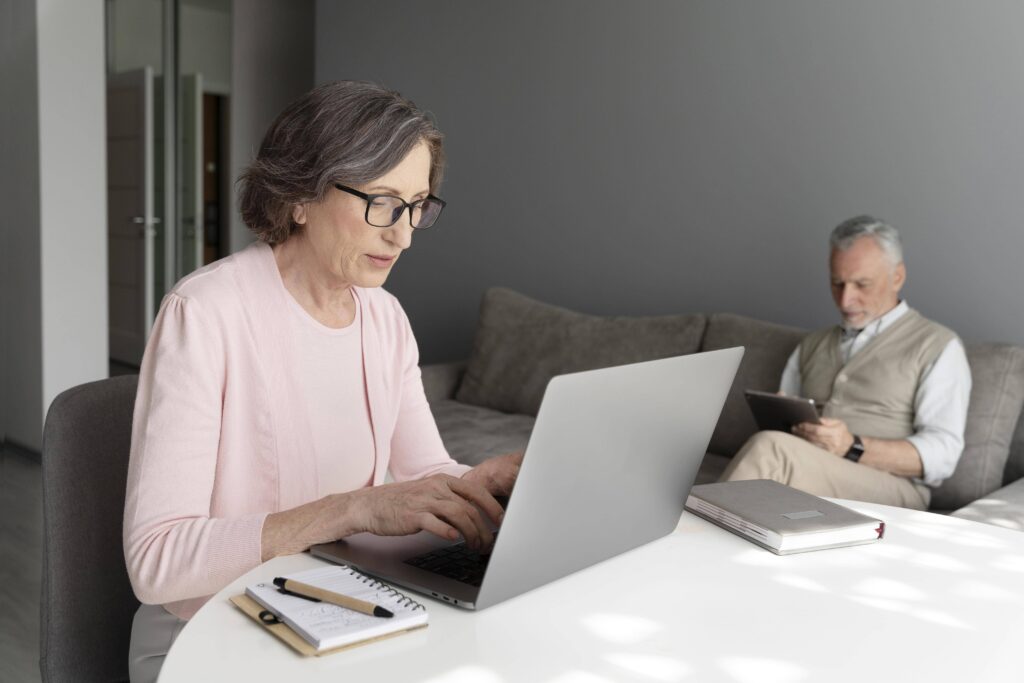
- Chair at a height where your feet are flat.
- Screen closer to eye level so you are not folding forward.
- Standing up for a couple of minutes every 45 minutes or so.
Sounds almost too simple, but your spine notices.
Support your sleep as much as you can
Sleep and pain are like a toxic couple. Each one makes the other worse.
You might find it helps to:
- Keep your bedroom cool.
- Stretch your back and hips for a few minutes before bed.
- Use a pillow between your knees (side sleeping) or under your knees (back sleeping).
No, it will not magically cure everything overnight. But it can stop your back from working overtime while you sleep.
Menopause pain in lower abdomen and back
Menopause pain in lower abdomen and back can happen, and it can also be a sign you should not shrug it off.
Sometimes lower belly + back pain is just muscular tension. Or bloating. Or constipation (glamorous, I know). Sometimes it’s pelvic floor tension, which can show up as deep aches in the pelvis, hips, and low back.
But lower abdomen pain with back pain can also be unrelated to menopause – like a urinary tract infection, kidney issues, fibroids (if you’re still in peri), or other pelvic conditions.
So here’s my very unromantic advice: if the pain is new, persistent, getting worse, or comes with symptoms like burning when you pee, fever, unusual bleeding, nausea, or you just feel “off” – get checked.
It’s not about panicking. It’s about not gaslighting yourself.
When should I see a specialist for menopause back pain?
If your pain has lasted weeks, keeps returning, or is changing how you live (walking less, avoiding workouts, skipping plans), it’s worth getting help.
A physio can be a great first stop. Especially someone who understands midlife bodies and doesn’t treat you like a fragile antique.
And if you want the broader context of what peri and menopause can do to your body (because it’s not just hot flashes), this internal article is a good companion read near the end of your rabbit hole: Perimenopause and Menopause.
One last opinion, because why not: you deserve better than “that’s just aging.” You’re not being dramatic. You’re paying attention.
References
- National Institute on Aging. What Is Menopause?
https://www.nia.nih.gov/health/what-menopause - Mayo Clinic. Menopause – Symptoms and causes.
https://www.mayoclinic.org/diseases-conditions/menopause/symptoms-causes/syc-20353397 - National Health Service (NHS). Menopause – Symptoms.
https://www.nhs.uk/conditions/menopause/symptoms/ - Johns Hopkins Medicine. Introduction to Menopause.
https://www.hopkinsmedicine.org/health/conditions-and-diseases/introduction-to-menopause - Cleveland Clinic. Menopause, Perimenopause and Postmenopause.
https://my.clevelandclinic.org/health/diseases/21841-menopause
Disclaimer: This article is for general information only and is not a substitute for professional medical advice, diagnosis, or treatment. Always speak with your doctor or other qualified health provider about your own symptoms, medications, and treatment options, especially before starting or changing any therapy.