Ons Chrysogelos

Diabetes type 2 nutrition can feel confusing at first, but it doesn’t have to be complicated. Think simple balance, small steady habits, and food choices that fit real life. When meals are built with a calm, practical approach, they can steady blood sugar, boost energy, and still feel enjoyable. Quick side note (because people ask): if you’re curious about the supplement side of things, this one is a helpful companion read: Supplements for Blood Sugar Control.
What exactly is Type 2 Diabetes?
When my mom was diagnosed, she just wanted to know, “What is this thing?” It’s simpler than it sounds, really.
Basically, Type 2 Diabetes means your body isn’t handling sugar (glucose) from food the way it should. Glucose is your energy source, and insulin is the key that lets it into your cells.
With Type 2, either:
- Your cells start ignoring insulin (we call this “insulin resistance”).
- Or, your body just doesn’t make enough insulin.
Either way, too much sugar builds up in your blood. That’s the main issue. The good news? Lifestyle changes, like smart eating, can make a huge difference in managing it.
What foods are best for type 2 diabetes?
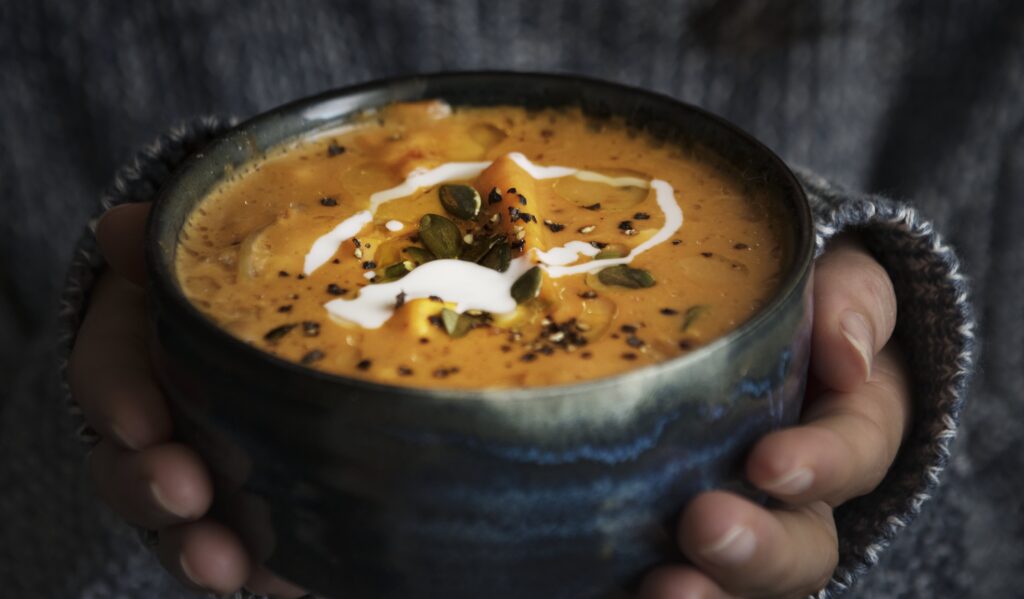
When my mom was first diagnosed with type 2 diabetes, she froze. “So what now, do I live on lettuce forever?” she asked. I laughed, but we were both worried. Food here isn’t just fuel — in Greece a meal is family, memories, comfort. How do you change that?
Her doctor was calm. “You don’t need to give up food. You need to rethink how the plate is put together.” That’s it. Not punishment. Not complicated rules. Just a new balance.
He broke it down in a way that felt human. Picture a plate. Fill a big part of it with vegetables that don’t spike blood sugar — spinach, cucumber salad, roasted zucchini, peppers, cauliflower. Add protein for staying power — fish, chicken, eggs, or beans (yes, the classic lentil soup with olive oil is still in). Then add a little healthy fat — a drizzle of olive oil, a few olives, or a spoon of tahini. Same kitchen, same flavors, just a steadier plate.
Do I need to cut carbs completely?

No. Carbs aren’t the villain. The trick is choosing better types and pairing them well. My mom didn’t quit bread or rice. She chose whole-grain bread over the fluffy white loaf. Brown rice instead of refined. Fruit with yogurt instead of fruit alone. Those simple tweaks kept her full and made her numbers steadier.
Carbs are fuel your body can use when they come with fiber and are eaten with protein and healthy fat. Cutting them out completely often leads to cravings and frustration. So keep them — just in a smarter way.
How often should I eat if I have diabetes
Consistency helps more than people think. Some do well with three balanced meals. Others like a light snack between if they get too hungry. What matters most is rhythm.
My mom used to skip breakfast — “I’m fine with coffee,” she’d say — and by lunch she was starving. Once she started eating at predictable times, her energy steadied and her readings looked better. There’s something naturally supportive about the Mediterranean pattern — meals shared at regular times, not rushed, often with family. It doesn’t need to be perfect. Just aim for a routine that makes your day feel calmer. Your body likes to know what’s coming.
Can I still enjoy sweets occasionally?
Ah, the big question. She asked it shyly: “Does that mean no more baklava?” The doctor laughed. “Have it. Just not every night.” Relief.
Now when there’s a family lunch on Sunday, she’ll take a small slice of cake. Or if she craves something during the week, she’ll have it after a meal instead of on an empty stomach. When sweets aren’t the main event, the sugar spikes are gentler. And when you eat slowly — like she does now — you realize two or three bites can be enough. Food is joy. Taking that joy away doesn’t work.
Diabetic friendly diet: what it actually means
A diabetic friendly diet isn’t a special, sad “medical diet.” It’s basically a way of eating that keeps blood sugar steadier and makes meals feel more predictable (in a good way).
In real life, it usually means more fiber, more protein, fewer ultra-processed foods, and fewer “naked carbs” eaten alone. It also means meals that actually satisfy you, because if you’re hungry all the time, nothing is sustainable. Not for a week, and definitely not for the long run.
So when you hear “diabetic friendly,” think: steady. Filling. Normal food. Normal portions. Less chaos.
Type 2 diabetes food list: what foods help most?
When my mom was first diagnosed with type 2 diabetes, she froze. “So what now, do I live on lettuce forever?” she asked. I laughed, but we were both worried. Food here isn’t just fuel—especially in Greece. It’s family, memories, comfort. How do you change that without feeling like life got smaller?
Her doctor was calm. “You don’t need to give up food. You need to rethink how the plate is put together.” Not punishment. Not complicated rules. Just a better balance.
If you’re looking for a type 2 diabetes food list, here’s the “human version” (the one you’ll actually use). Build most meals around non-starchy vegetables like spinach, cucumber salad, roasted zucchini, peppers, cauliflower, broccoli. Add protein for staying power—fish, chicken, eggs, yogurt, beans, lentils. Then add a little healthy fat—olive oil, olives, tahini, nuts, seeds. And for carbs, choose the ones that come with fiber—beans, lentils, oats, brown rice, whole grains, fruit—then keep portions realistic.
Same kitchen. Same flavors. Just a steadier plate.
Best diet for type 2 diabetes: what works long-term?
If someone promises the best diet for type 2 diabetes in one sentence, be suspicious. Because “best” has to mean: works for your life, your culture, your budget, your stress level, your appetite, your schedule.
But there are a few patterns that show up again and again in real results: meals built on vegetables and protein, carbs that come with fiber, and fewer ultra-processed foods (the stuff that’s weirdly easy to overeat). Also: steady meal timing. Decent sleep when possible. A bit of movement most days.
The “best” diet is the one you can repeat on a normal Tuesday.
Keto diet for type 2 diabetes: should you try it?
The keto diet for type 2 diabetes is one of those topics that can turn into a fight online, so let’s keep it grounded.
Some people do see blood sugar improvements on very low-carb eating—especially at the beginning. But keto can also be hard to sustain, socially awkward, and sometimes it pushes people into an “all or nothing” mindset that backfires later. It also may not be a great fit if you have certain medical conditions, if you’re on glucose-lowering meds (because lows can happen), or if it triggers binge/restriction cycles for you.
If you’re curious about keto, it’s worth discussing with your clinician and thinking in terms of “Can I live like this?” not “Can I do this for 10 days?”
Should I avoid fruit?

Whole fruit is still on the table. It brings fiber, vitamins, and antioxidants, and it behaves differently than juice. My mom enjoys apples, pears, berries, and seasonal fruit. When she pairs fruit with yogurt or a few almonds, it digests more slowly and feels balanced.
Some fruits, like pineapple or watermelon, can raise blood sugar faster. That doesn’t mean “never.” It just means smaller portions and ideally as part of a meal. Get to know what works for you. Notice which choices help you feel steady.
What drinks are safe?
Hydration is simple and powerful. Water is the easiest win — plain, sparkling, or with lemon. Herbal teas bring comfort. Coffee can be fine too if you go easy on the sugar and cream. My mom took to sparkling water with lemon when she wanted something refreshing, and it quickly became her go-to.
Drinks to be careful with are sodas, sweetened teas, energy drinks, and juices. They push sugar up fast without helping you feel full. Once you spend a little time with water and light infusions, those sweet drinks feel less essential.
Can supplements help?
Supplements can support, but they’re not the foundation. Magnesium may help with insulin sensitivity. Vitamin D matters if levels are low. Omega-3s support heart health. My mom’s doctor checked her labs and made simple suggestions based on what she actually needed.
You can refer to Supplements for Blood Sugar Control for more information.
Food still came first — vegetables, legumes, fish, olive oil, nuts, seeds. Supplements filled small gaps, not the whole plan.
Final thoughts on diabetes type 2 nutrition

If there’s one lesson my mom’s journey made clear, it’s that diabetes type 2 nutrition can be calm and doable. You can eat in a way that supports your health and still feels like your life. Plates full of vegetables, a good source of protein, a little whole grain or beans, and olive oil for flavor — this is both satisfying and sustainable.
Keep your routine simple. Eat at roughly the same times. Enjoy sweets occasionally without turning them into a daily habit. Walk a little more. Cook at home when you can. Give yourself credit for every small step — that’s how real change sticks.
If you want more on the bigger picture — hormones, metabolism, and daily wellbeing — this friendly guide from The Hormone Nest is a gentle next read.
References
- American Diabetes Association – Nutrition Recommendations
- CDC: Diabetes Nutrition Guidelines
- Harvard TH Chan School of Public Health – Diabetes Diet
Disclaimer: This article is for informational purposes only and is not intended as medical advice. Always consult your healthcare provider before making changes to your diet or treatment plan.