Ons Chrysogelos

Female sexual health supplements are everywhere right now. If you’ve been wondering what’s actually helpful, you’re not alone. “Female sexual health supplements” usually means vitamins, herbs, and amino acids that aim to support desire, arousal, lubrication, and comfort. Let’s keep this plain and kind—zero hype, just what might help and what probably won’t.
Do female sexual health supplements really work?
Sometimes, yes. Not for everyone, and not overnight. If stress runs high, sleep is hit‑or‑miss, or meals have been more “whatever’s quick,” the right product can nudge things in the right direction. Think basics first: mood, energy, blood flow, comfort. A targeted blend can support those. Give it a few weeks. Watch for small wins—easier arousal, better lubrication, less tension.
Last spring, after about a month of steady use and better sleep, I noticed small shifts—less effort to get into the mood, less shoulder tension, and more comfort. It wasn’t instant or dramatic, but it felt like a real nudge in the right direction.
If there’s a clear medical driver—low estrogen, thyroid shifts, side effects from meds, pelvic floor tension—you’ll likely need more than a bottle. A simple supplement plus the right care plan works better than either one alone.
Are female sexual health supplements safe?

For most healthy adults, short‑term use is usually fine.
- Ashwagandha may ease stress.
- Maca can lift energy for some.
- Fenugreek and tribulus are hit‑or‑miss
Still, do a quick meds check with your clinician. If you’re pregnant or breastfeeding, skip herbs unless your provider gives the okay. Quality matters. Choose brands that show exact doses and use third‑party testing. If something makes you feel off—jittery, queasy, headachy—hit pause.
Which ingredients have the most research?
There’s promising data for a few well‑known options that support arousal, lubrication, mood, and circulation. Some blends lean calming and stress‑steadying. Others focus on blood flow and sensitivity. A few target dryness and comfort.
-Maca may support desire and energy.
-L‑arginine can support blood flow.
-Fenugreek may nudge desire for some.
-Shatavari and Ashwagandha can help with stress and lubrication.
-Ginseng may lift energy but can disturb sleep.
-Omega‑3s and vitamin D support the foundation more than they create quick changes.
Bigger, longer studies are still needed, so your own 4–8‑week trial tells the real story.
How do I choose the right supplement?
Pick one main goal. Desire. Arousal. Lubrication. Pain. Try one change at a time so you can see what’s helping. Look for clear doses and standardized extracts on the label. Give it six to eight weeks. Jot a quick weekly note: desire, ease, lubrication, comfort, satisfaction. Tiny wins count.
One practical thing that helped me choose: I wrote one goal on a sticky note—“more ease”—and picked one simple formula to match it. I gave it six weeks and left a two‑line note on Sundays. It kept me honest without turning it into a full‑time project.
If you want a friendly explainer on hormone patterns that can shape how you feel, this mid‑read is helpful: What Is Hormonal Imbalance/Estrogen Dominance?
Can supplements help with low libido?
They can. Especially when stress, poor sleep, and low energy are in the mix. Calming blends may lower the noise so desire has room to show up. Uplifting blends can help you feel more awake and present. Results vary person to person. Also, desire is about context. If there’s pain, resentment, or anxiety, a real conversation, therapy, or nervous‑system care often moves the needle faster than any capsule.
What about arousal, lubrication, and comfort?
For arousal, better circulation helps. That’s where blends aimed at blood flow may fit. Slow, pressure‑free touch and self‑exploration can retrain pathways so your body knows what “yes” feels like again. For lubrication, some people do well with blends that support hydration and tissue comfort like shatavari and omega‑3s .
In the moment, a pH‑balanced lube and a long‑acting vaginal moisturizer can be a game changer. For pain, rule out common causes first. If it’s genitourinary syndrome of menopause, local estrogen or DHEA usually beats any oral option.
What helped me most was pairing a simple circulation‑support blend with slow, no‑pressure touch and more time to warm up; comfort followed—subtle at first, then steady.
Are there options for menopause?
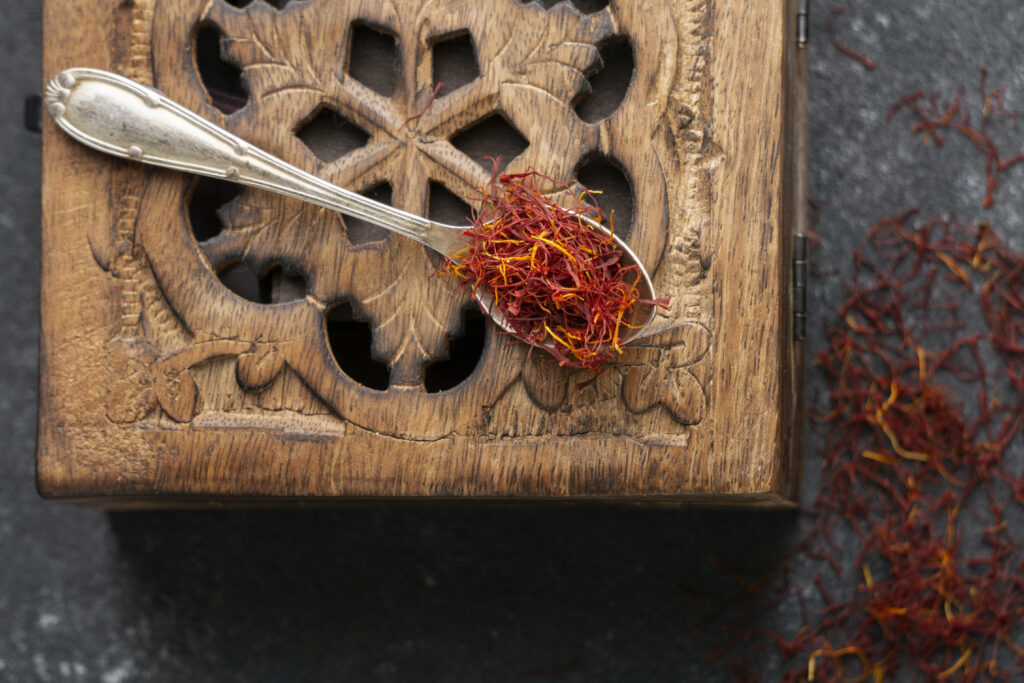
Yes. Saffron can support mood and arousal.
– Shatavari may help dryness. Omega‑3s calm inflammation.
-Vitamin D supports bone and mood.
For hot flashes, night sweats, and GSM‑related dryness, hormone therapy is the most effective for those who qualify. If hormones aren’t right for you, ask about non‑hormonal prescriptions and local therapies.
How long until I see results?
Think four to eight weeks. Calming blends may help with stress and sleep sooner. Sexual function tends to follow as energy, mood, and comfort improve. Keep it simple. Check your few signals weekly, adjust with care, and don’t rush the process.
Can I take more than one?
You can—but light and simple is best. Doubling up on similar products rarely helps and can muddy the waters. If you take antidepressants, blood pressure meds, diabetes meds, thyroid hormone, or blood thinners, get a quick safety check before stacking.
What if I have vaginal dryness or pain?
Aim for the cause. In your reproductive years, look at birth control effects, low‑estrogen windows (postpartum, lactation), microbiome shifts, skin conditions, or pelvic floor tension. In midlife and beyond, Genitourinary Syndrome of Menopause(GSM) is common and often under‑treated. Local therapies usually do more than oral blends. While you work on the root, use a quality lube and a long‑acting moisturizer for comfort.
Can lifestyle make supplements work better?
Yes. Gentle movement supports circulation and confidence. Consistent sleep steadies mood and hormones. Simple, nutrient‑dense meals—protein, colorful plants, omega‑3s—help everything run smoother. Short daily pauses, breathwork, and time outside lower the stress load. Pelvic floor therapy can be a game changer when pain or urgency shows up. A pleasure‑positive practice helps your brain and body reconnect.
Who should be careful?
If you have a thyroid condition, an active autoimmune flare, blood‑thinning therapy, blood pressure concerns, or food allergies, double‑check fit and timing with a clinician. When in doubt, ask someone who knows your history. Your safety comes first.
When should I see a clinician?
Reach out if there’s persistent pain, bleeding, a sudden change in libido, new discharge or odor, recurrent UTIs, pelvic floor symptoms, or mood shifts that affect daily life. A focused exam and a tailored plan can save months of guesswork.
As you wrap up your decision, this overview helps put symptoms in context: What Is Perimenopause?
What are the “best” female sexual health supplements?
There isn’t one best. Your body and goals lead. For stress‑linked low desire, a calming, adaptogen‑forward blend can help. For arousal, a short trial of a circulation‑support blend may be worth it. For lubrication, comfort‑focused formulas can be useful, while local moisturizers bring quick relief. If an SSRI is affecting your sex life, there’s early support for saffron—talk with your prescriber first.
Can diet replace supplements?
Sometimes. If you’re sleeping well, managing stress, moving most days, and eating well, you may not need a separate product. Protein for steady energy. Leafy greens and legumes for magnesium. Seafood for omega‑3s. Seeds or shellfish for zinc. Solid basics go a long way—and they’re kinder on the budget.
Bottom line
Female sexual health supplements can help, especially when paired with good sleep, stress care, relationship support, and medical treatment when needed. Choose one focused step. Give it time. Let your body’s feedback lead the way. You’ve got this.
References
-Saffron and sexual function: https://pubmed.ncbi.nlm.nih.gov/29703519/
-Nitric oxide and female sexual arousal—mechanisms and evidence: https://pubmed.ncbi.nlm.nih.gov/10494477/
-Randomized trial of Ashwagandha in sexual function: https://pubmed.ncbi.nlm.nih.gov/26495800/
-Fenugreek extract and sexual function: https://pubmed.ncbi.nlm.nih.gov/24473264/
Disclaimer
This article is educational and not medical advice. It doesn’t diagnose or treat conditions. Talk with your healthcare provider—especially if you’re pregnant, breastfeeding, on medications, or have hormone‑sensitive conditions—before starting any new supplement.