Ons Chrysogelos

Hormonal imbalance acne is like that annoying friend who doesn’t get the hint. Shows up right before your period, camps out along your jawline or chin, and manages to crash the party whenever you’ve got something important going on. And yeah, it’s tied to your hormones, not just your face wash.
So, let’s break down what’s actually happening inside, why these breakouts are so stubborn, and how you can tackle them without losing your mind.
Hormonal pimples: what are they really?
Hormonal pimples are basically breakouts that flare up or get worse when your hormones go off-script. Hormones are like tiny messengers running the whole show in your body. When they’re balanced, everything feels pretty chill. When they’re not, your skin’s usually the first to freak out.
Basically, this is acne that flares up or gets worse when your hormones go off-script. Hormones are like tiny messengers running the whole show in your body. When they’re balanced, everything feels pretty chill. When they’re not, your skin’s usually the first to freak out.
In my experience, hormonal acne usually looks like this:
– Popping up along your jawline, chin, sometimes the neck
– Flaring up around ovulation or right before your period
– Deep, sore, cystic spots that basically say “don’t even think about touching me”
And it’s not just for teenagers. Tons of women in their late 20s, 30s, even 40s are fighting it. Honestly, it’s wild when you’re buying retinol for wrinkles and pimple patches in the same shopping trip.
Quick heads up: if your acne suddenly gets way worse, or it’s tanking your confidence, talk to your doctor or a dermatologist. Skin’s a symptom, sometimes your body’s trying to flag you down.
If you’re dealing with weird symptoms and feeling a bit dismissed, this piece on Hormonal Imbalance Skin Problems: Reset Your Routine breaks down how hormone shifts can show up in really unexpected ways.
Why does hormonal imbalance acne happen?
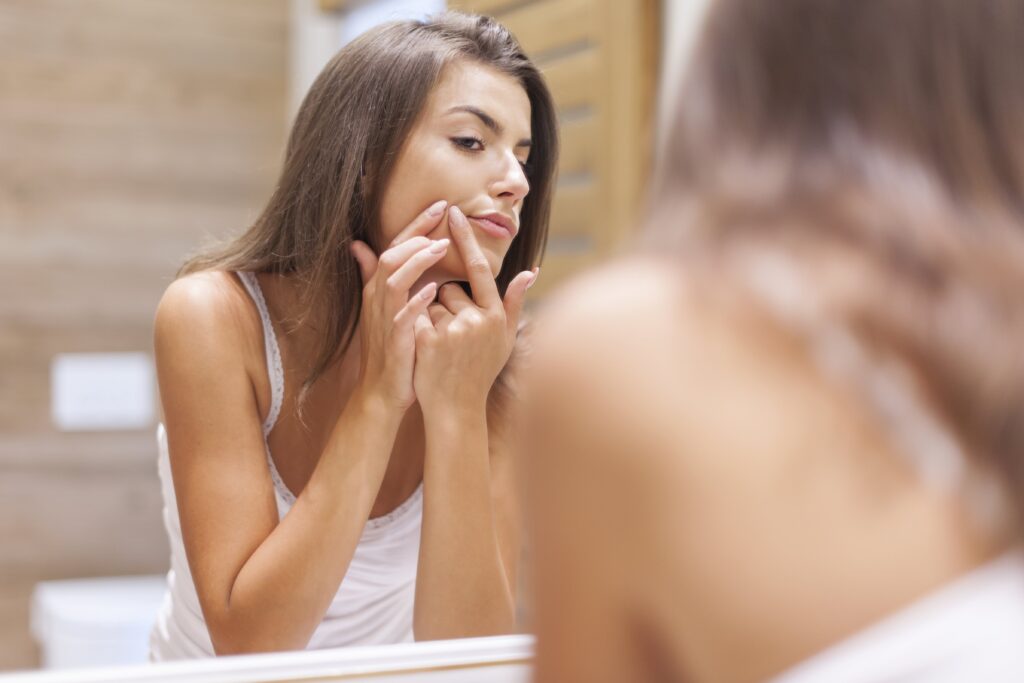
What’s stirring up all this drama? A few usual suspects:
– Androgens (like testosterone): When these get higher than your body likes, your oil glands go into overdrive. More oil + dead skin = clogged pores.
– Insulin and blood sugar swings: Eating lots of sugary stuff can mess with your hormones, throwing everything out of whack.
– Stress hormones (hello, cortisol): Too much stress ramps up inflammation and messes with your hormonal balance.
– Conditions like PCOS: If you’ve got irregular periods, extra facial hair, or really stubborn acne, bring it up with your doctor.
And then there’s the whole modern-life mess, bad sleep, processed food, switching birth control, over-exercising, under-eating. It all piles on.
If your skin issues come with irregular cycles or PCOS-type symptoms, this breakdown on PCOS treatment for fertility: What really works can help you see the bigger hormone picture and what actually moves the needle.
How do you know if your acne is hormonal?
Ever get that deep, sore bump under your skin before you even see it? That’s hormonal acne’s signature move, you know. It’s kind of like your skin is giving you a heads-up that things are shifting internally.
Usually, you’ll notice these breakouts clustering around your chin, jawline, or lower cheeks, and they tend to flare up right before your period or like clockwork every single month. These spots are often deep and painful, and honestly, they seem to heal at a glacial pace compared to a regular whitehead.
And the thing is, your skin might actually be dry or pretty normal otherwise, but you still deal with these stubborn breakouts. You might also notice other hormone-y stuff going on at the same time – things like intense PMS, weird periods, hair loss, or even extra hair showing up where you don’t really want it.
You don’t necessarily need every single symptom on the list to confirm it, but if most of this sounds familiar, then hormones are probably running the show.
How to clear up hormonal acne fast (without wrecking your skin)
When people search how to clear up hormonal acne fast, they usually mean one of two things:
- “How do I calm this breakout down quickly so it’s not screaming at me from my face?”
- “How do I stop this from turning into a two-week situation?”
And I get it. But the fastest way to make hormonal acne worse is to panic and throw everything at it.
If you want the “fast” version that’s actually smart, think: calm inflammation, protect your barrier, and don’t add chaos.
That usually looks like a gentle cleanser, a moisturizer (yes, even if you’re oily), and one acne active your skin already tolerates. If your skin handles it, ingredients like salicylic acid or azelaic acid can help. If you’re already on a retinoid, stay consistent, but don’t suddenly crank up the strength because you’re desperate.
Also, don’t pick. I know. The urge is unreal. But picking is basically how you turn “annoying” into “scar city.”
And here’s the boring part that matters: sleep, hydration, and steady meals. Hormones don’t love blood sugar spikes and stress spirals. Your skin usually shows it first.
If your acne is severe, painful, or scarring, the fastest route might honestly be medical help. Not because you “failed naturally,” but because you deserve relief.
Why does acne go wild before your period?
That classic pre-period breakout? Super common, and there’s a reason for it.
In the second half of your cycle, your estrogen and progesterone drop. Androgens have more influence then, so your oil glands ramp up and pores clog easier. Inflammation gets worse. That’s why jawline breakouts right before your period are basically textbook hormonal acne.
Some things that help:
– Be extra gentle with your skin the week before your period
– Hold off on trying new strong products right before you start bleeding
– Get enough sleep, drink water, eat steady meals during that luteal phase
Your skin’s just extra reactive then, so a little TLC goes a long way.
How skincare actually helps with hormonal acne?
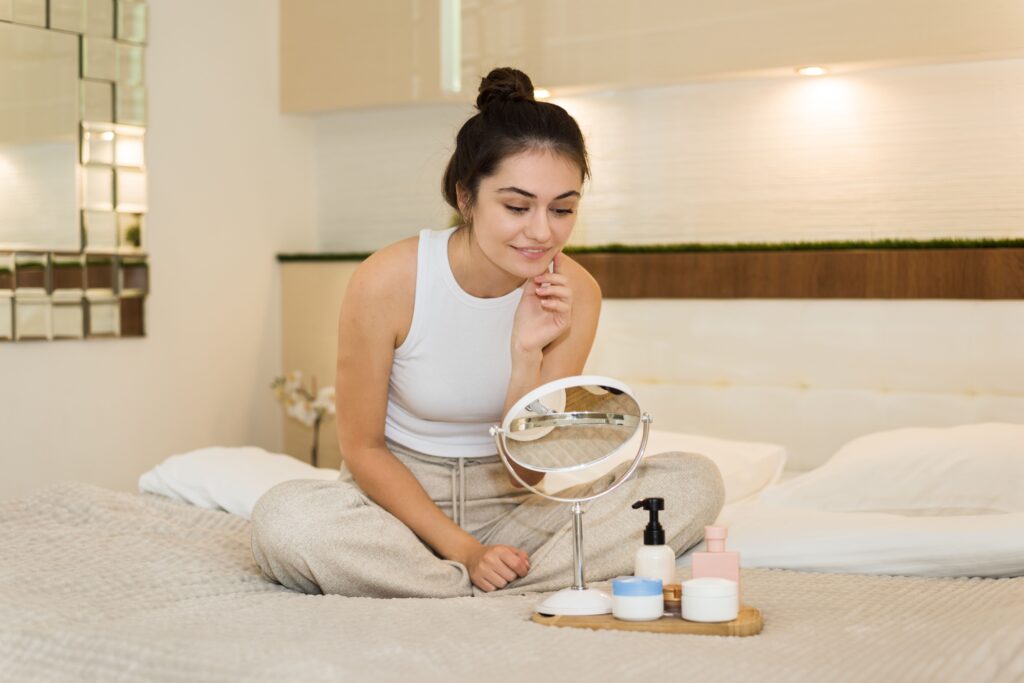
Skincare won’t magically fix a hormonal imbalance, but it can definitely help calm things down on your face.
Here’s what actually works: A gentle cleanser , just twice a day. No need to scrub your skin into submission.
Non-comedogenic moisturizer, even if your skin is oily. When skin dries out, it often fights back by making even more oil. Also targeted active stuff like salicylic acid, azelaic acid, or retinoids really help unclog pores and soothe inflammation.
And let’s be real: more products don’t equal better skin. I’ve seen routines that look like a science experiment gone rogue. Your skin barrier is probably begging for mercy.
If nothing seems to work, or your skin’s just getting angrier, it’s time to talk to a professional.
Does diet really affect hormonal acne?
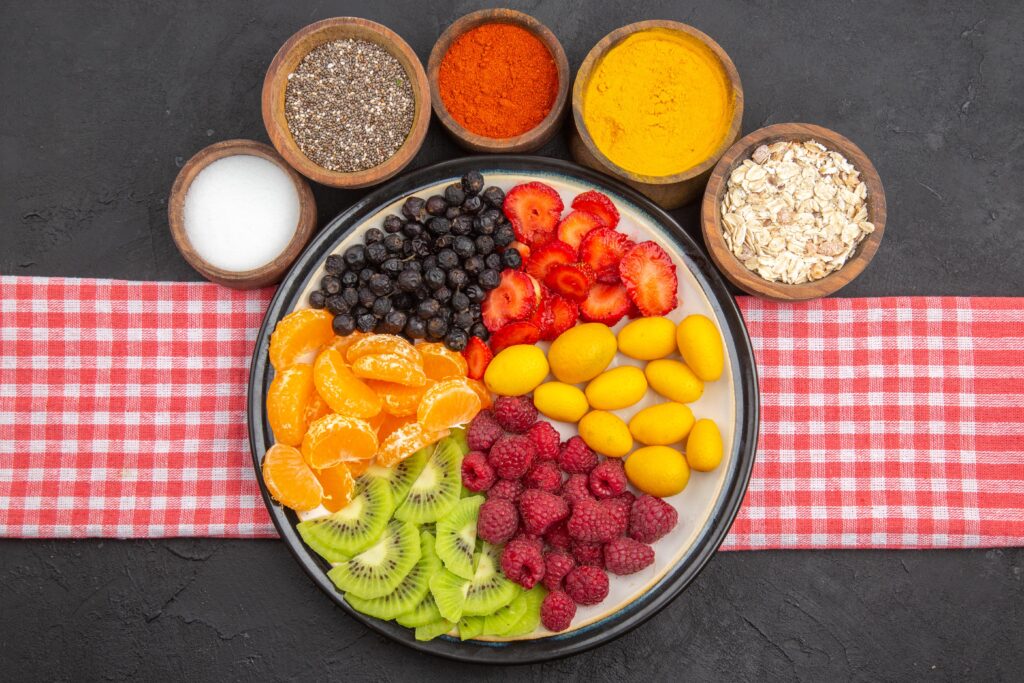
People get passionate about this one. Some swear food has nothing to do with it. Others act like a single slice of pizza will haunt them for a week.
The truth? It’s somewhere in between.
Research shows that high-glycemic foods (the stuff that spikes your blood sugar) and lots of skim milk seem to make acne worse for some folks. But it’s not as simple as “eat sugar, get pimples.”
So instead of stressing over every snack, zoom out for a second: Are most of your meals made from real, whole foods? Are you riding on caffeine and vibes all day, then crashing and eating everything in sight? Do you get enough protein and healthy fats to keep your energy steady?
Hormones love routine. They don’t do well with wild swings in blood sugar, sleep, or stress.
If you want easy nutrition tips for hormone balance, check out resources on cycle-friendly foods. They lay it out in a way that actually makes sense.
Why am I still getting hormonal acne in my 30s and 40s?
Honestly, adult acne just feels unfair. You’re paying bills, maybe juggling a family, drinking your water, and yet, here come the chin breakouts.
Why does it stick around? A few reasons:
-Long-term stress from work, family, or just life in general
-Coming off hormonal birth control and your natural cycle kicking back in
-Pregnancy, postpartum changes, or perimenopause
-Underlying stuff like thyroid issues, insulin resistance, or PCOS
From what I’ve seen, a lot of women only start getting real answers once they track their symptoms and push for proper testing. No one knows your body better than you.
If your acne showed up suddenly as an adult, or comes with stuff like hair changes, weight shifts, or serious fatigue, that’s a clear sign to get a professional involved.
How can I treat hormonal imbalance acne for good?
I wish there was a magic “do this and you’re done” solution, but hormonal acne usually needs a few things working together behind the scenes. It’s less of a single fix and more of a team effort.
Think in terms of layering support: start with balanced meals that keep your blood sugar steady, so your hormones aren’t constantly riding a roller coaster.
Then add stress management that actually fits your real life – not just vague “do more self care” advice, but things you’ll genuinely stick to, like short walks, breathing exercises, or better boundaries around work.
On top of that, keep your skincare gentle and consistent instead of switching products every week. If you’re considering supplements, stick to ones that are recommended by someone who actually knows your health history and hormones. And if it makes sense for you, medical options like certain birth control pills, spironolactone, or other targeted treatments can be part of the plan too.
It’s usually the mix of all these pieces – not just one hero product – that slowly helps your skin calm down.
How to stop hormonal breakouts (for real)?
If you’re googling how to stop hormonal breakouts, I get it. Hormonal acne can make you feel like you’re doing everything “right” and your skin is still ignoring you.
I wish there was a single fix. But hormonal imbalance acne usually needs a few things working together. It’s less of a magic product and more of a plan.
Think in terms of layering support. Start with balanced meals that keep your blood sugar steady, so your hormones aren’t constantly riding a roller coaster.
Then add stress management that actually fits your life. Not “just relax.” Actual things you’ll stick to: short walks, breathing for two minutes, boundaries around work, going to bed earlier more often than not.
On top of that, keep your skincare gentle and consistent instead of switching products every week.
If you’re considering supplements, stick to ones recommended by someone who knows your health history. And if it makes sense for you, medical options like certain birth control pills, spironolactone, or other targeted treatments can be part of the plan too.
It’s usually the mix of these pieces – not one hero product – that slowly helps your skin calm down.
When should I see a doctor or specialist?
If your hormonal acne is:
Painful or leaving scars, messing with your confidence or social life, showing up with other symptoms (irregular cycles, bad cramps, facial hair, weight changes)
Then it’s not just a skin thing. Your body’s asking for a deeper look. A good doctor – GP, gynecologist, or endocrinologist, can check for things like: PCOS, Thyroid health, Blood sugar or insulin problems, and other hormone imbalances.
And when you combine medical help with hormone-friendly habits? That’s usually when things actually start to shift.
Final thoughts on hormonal imbalance acne
Hormonal acne can feel like it’s running your life. But once you understand what’s driving your breakouts, it stops being this random, cruel punishment and starts looking more like your body sending a message.
You don’t have to fix everything all at once. Even small changes, steadier meals, gentler skincare, better sleep, make a difference with time.
And if you’re feeling frustrated, that’s totally normal. Skin struggles can get under your skin, literally and emotionally. But you’re not alone in this – far from it.
References
- American Academy of Dermatology Association – Acne: https://www.aad.org/public/diseases/acne
- Hormonal acne overview – Healthline: https://www.healthline.com/health/beauty-skin-care/hormonal-acne
- Insulin, diet, and acne – PubMed: https://pubmed.ncbi.nlm.nih.gov/28274354/
Disclaimer:
This article is for informational and educational purposes only and is not medical advice. It is not a substitute for professional diagnosis or treatment. Always talk to a qualified healthcare provider about your personal health, symptoms, or before making changes to your medication, supplements, or treatment plan