Ons Chrysogelos

Hormonal imbalance and breast pain — Hormones got your boobs acting up? Oh man, it’s a trip, isn’t it? One minute you’re fine, the next you’re wondering why your chest feels like you slept on a pile of rocks. It’s all those wild swings with estrogen and progesterone—Every month your hormones throw a little private party, and your breasts RSVP “maybe”… then show up early, borrow the snacks, and complain about the music If you’ve been wondering what’s behind it, a lot of this comes down to hormonal imbalance and breast pain showing up together.
What’s causing this sore breasts meaning anyway?
Swelling? Check. Soreness? Oh, absolutely. Random puffiness that makes your bra feel like a medieval torture device? You bet. Here’s the lowdown: most of the time, this breast pain stuff is just your hormones doing their usual monthly interpretive dance. When your cycle kicks off, estrogen does its thing, making your breast ducts super sensitive—like, even shirt seams feel aggressive.
After ovulation, progesterone rises, which can make breasts feel fuller and more sensitive. If estrogen is relatively higher without enough progesterone balance, tenderness may be more noticeable. Factors like thyroid imbalance, elevated prolactin from stress or disrupted sleep, or changes in birth control can also contribute and make symptoms feel more pronounced.
During perimenopause, hormone levels can fluctuate quite a bit, leading to unpredictable changes. Your breasts may simply be responding to these shifts. Not everything is hormones, though. Sometimes it’s a sneaky pulled muscle, a cyst doing its own thing, or honestly, just a bra that hates you and wants you to suffer. This is classic hormonal imbalance and breast pain doing their thing, with a few wildcard extras.
For a deeper dive into understanding your hormones, check out hormone imbalance lower back pain.
Should I actually panic about breast tenderness ?
Most of the time, no. If both breasts feel tender, the timing lines up with your period, and there aren’t any unusual lumps, it’s usually nothing worrisome. If the pain stays in one specific spot, you feel a firm area that doesn’t seem to move, you notice unexpected nipple discharge, or the skin looks different, it’s a good idea to check in with your doctor. Better to get reassurance early. When hormonal imbalance and breast pain are behind your symptoms, the outcome is often reassuring—but it’s still wise to rule out anything that needs attention.
How do I tell if it’s hormonal or something else?
Try noticing patterns over a couple of cycles. If the tenderness starts about a week before your period and eases once your period begins, it’s very likely hormone-related. Discomfort in both breasts—especially in the upper and outer areas—is a common pattern. If the sensation is focused in one small area, it may be related to a cyst or even muscle strain from exercise. Some people find that caffeine, salty foods, or very intense workouts make symptoms more noticeable.
It can help to jot brief notes in a period app or on a calendar. A well-fitted, supportive bra can also make a big difference in comfort. When you do self-checks, try the days just after your period, when breasts are usually less tender. Altogether, this pattern often points to hormonal imbalance and breast pain—unpleasant, but typically predictable and manageable.
What hormone causes breast pain tenderness?

People say it’s heavy. Sometimes it’s a deep, boring ache, sometimes it’s sharp little zaps, and sometimes it’s this weird burning that makes you want to ice your whole torso. It can sneak up toward your armpit—blame those lymph nodes and how everything’s connected. Usually it ramps up right before your period and chills out once the bleeding gets going. Welcome to the glamorous world of being a human with hormones—no one said it was fair.
What actually works?
First off, salt. Cut it way down right before your period—late luteal phase, if you wanna sound fancy. Less salt = less puffiness and weird boob swelling.
If you notice coffee or wine makes your chest feel like it’s plotting revenge, maybe ease up. Not everyone gets triggered, but if you do, you’ll know.
Blood sugar swings are a silent killer, too, so stop living on carbs alone. Throw in some eggs or beans with your toast, yeah? Gentle exercise is your buddy—walks, some yoga, or just flailing around with light dumbbells if that’s your thing. Gets your lymph moving, takes inflammation down a notch.
Magnesium glycinate at night (200-400mg, but seriously, check what makes sense for you) is a whole vibe -calms your muscles, chills your brain.
If your thyroid’s slacking, get enough iodine and selenium (food or supplement, but don’t go wild, okay?). That can actually help with random breast drama, too.
Supplements for hormonal breast pain?
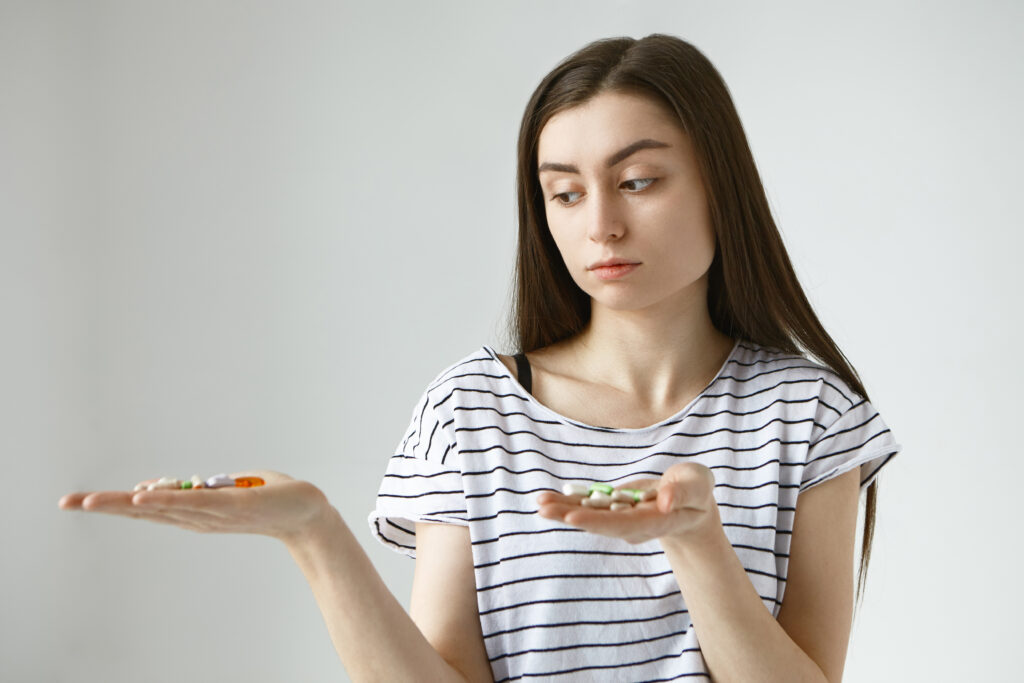
Eh, mixed bag. B6 gets hyped for PMS pain, but don’t go megadosing yourself.
Evening primrose oil—some people swear, others roll their eyes. Gotta try it for a couple months to really know.
Omega-3s (fish oil, algae oil, whatever, just get the anti-inflammatory stuff) can help a bit.
Magnesium, again, is basically the Beyoncé of supplements for this. But don’t just grab random pills—supplements can mess with your meds or aren’t cool if you’re pregnant, so talk to someone who knows their stuff.
Perimenopause and breast pain?
Perimenopause can bring more ups and downs. Estrogen may surge while progesterone is less consistent, which can lead to new or more noticeable breast tenderness—sometimes mid-cycle, sometimes just before your period. Keeping track of your symptoms, eating balanced meals, and using the comfort strategies above can still be very helpful, even if your cycles feel a bit irregular right now.
When should you call in the pros?
If pain comes out of nowhere and sticks around for months, if it’s stuck in one spot and really sucks, if it wakes you up, or you feel a lump, get weird skin changes, or nipple discharge—get checked. Started a new med or hormone and now your breast is screaming? Doc time.
Pregnant, just had a baby, or breastfeeding and now you’ve got fever, redness, or feel like you got hit by a truck? Don’t mess—could be mastitis. Medical fixes?
It’s not a one-size-fits-all deal. Sometimes it’s as simple as swapping birth control or popping ibuprofen a few days pre-period. If your hormones are totally out of whack, treating the root cause helps.
For the nightmare cases, there are heavy-duty meds (danazol, tamoxifen), but that’s specialist territory, not your average pharmacy run. Real people, real results—this isn’t just theory.
I know someone who switched to a real sports bra and ditched coffee after ovulation and, boom, half her pain gone in two cycles. Another friend, deep in perimenopause, noticed her pain spiked mid-cycle with estrogen surges. She started magnesium at night, added more protein in the morning, dropped salt before her period—less swelling, way less drama. One more example: sharp pain after starting a progestin-only pill. She switched meds with her doc, started omega-3s, and the pain vanished in a month.
Everyone’s body is its own circus, but little tweaks and patience for a couple cycles can totally pay off.
Best bras and self-care?
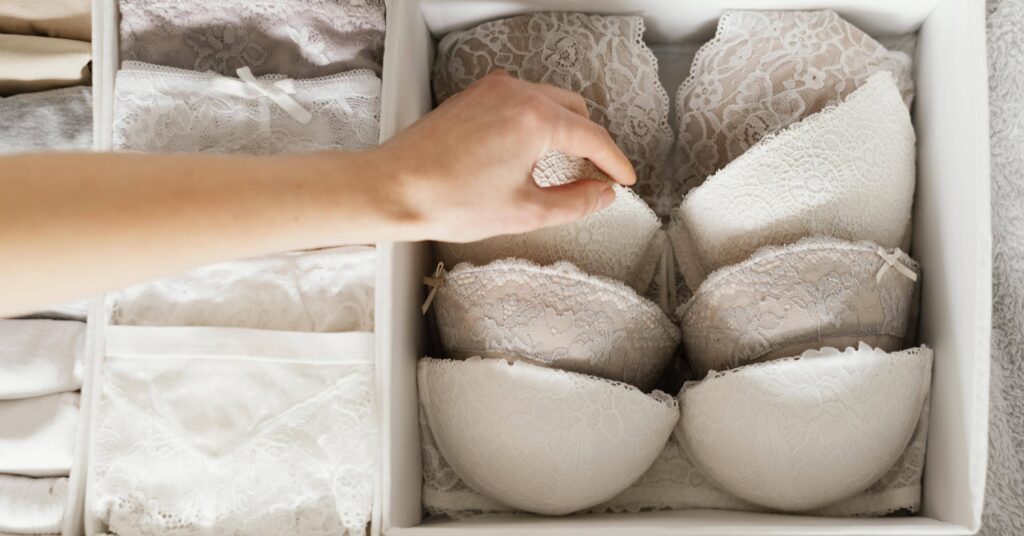
Get measured, please—most people are wearing the wrong size. Soft, breathable fabrics are your friend. Ditch underwire on sore days; it’s a lifesaver. Heat helps—a warm compress or a quick shower, whatever works. Some people swear by gentle massage toward your armpits to drain swelling. Also, don’t underestimate sleep—crap sleep and stress will just make everything worse. Honestly, it’s a mess of trial and error, but you don’t have to just suffer and pretend it’s normal.
Are fibrocystic breasts just a hormonal thing?
Sorta, but not exactly. Fibrocystic breasts = lumpy, bumpy, sometimes tender boobs. Totally common, nothing scary. Hormones definitely mess with how noticeable it gets—stuff can feel way worse right before your period, for example. But just having these changes doesn’t mean your hormones are outta whack. Docs usually poke around (literally), maybe order an ultrasound or mammogram, just to be sure it’s all normal and not something weird.
Does what you eat (or your gut) mess with breast pain?
Oh, absolutely. Here’s the deal: estrogen gets filtered out by your liver, then tossed out through your gut. If you’re, uh, not too regular or living on white bread, estrogen kinda hangs around longer than you’d want. eat your veggies, beans, seeds, whole grains—the usual suspects. Chug enough water, too; if your pee’s neon yellow, you’re slacking. Broccoli, cauliflower, all that cruciferous jazz? They help your body process estrogen better. Stable blood sugar levels also help, so don’t skip your protein. Oh, and if you’re into TikTok health trends, “cycle syncing” is a hot topic—some of it’s legit, some is pure hype. When in doubt, remember that a lot of the day-to-day noise is just hormonal imbalance and breast pain being loud. Another helpful resource as you round out your read: cycle syncing diet.
Could pregnancy or breastfeeding be making my breast hurt
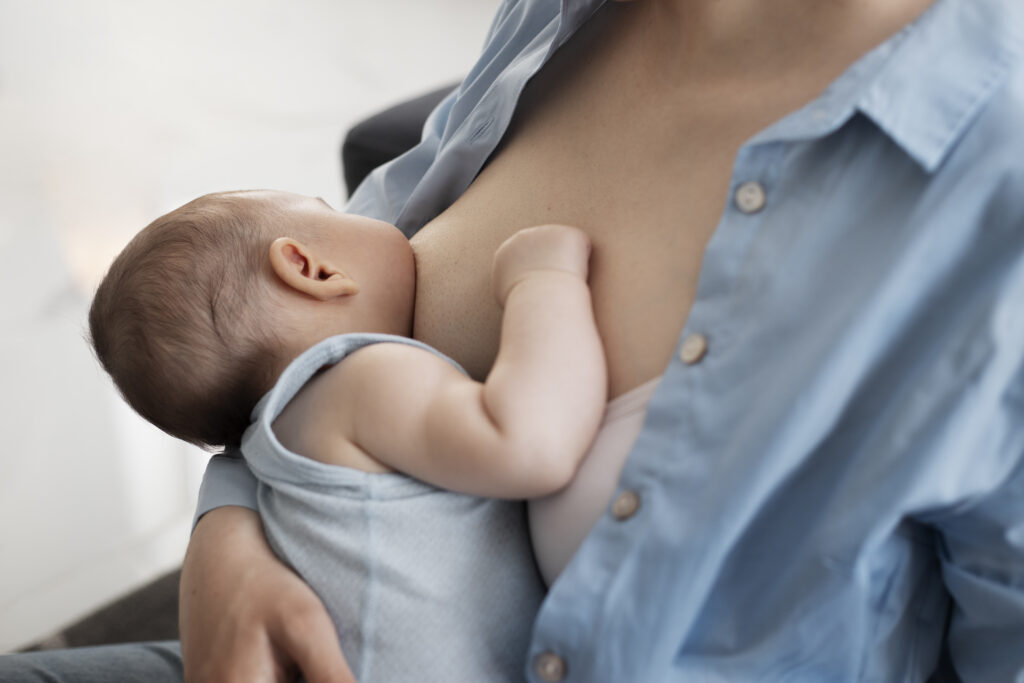
Yes—during early pregnancy, hormone shifts can make breasts fuller and more sensitive. During breastfeeding, tenderness can also happen for several reasons, such as engorgement, latch challenges, blocked ducts, or mastitis. If you notice redness, warmth, fever, or flu-like symptoms, it’s best to contact your healthcare provider promptly.
What tests might be recommended?
Your clinician may start with a breast exam and, depending on your age and symptoms, suggest imaging such as an ultrasound or mammogram. If more detail is needed, an MRI may be considered. Sometimes blood tests—like thyroid function or prolactin—are helpful when hormone-related causes are suspected.
Quick relief cheat sheet (bookmark this!)
- Jot down a breast diary for a couple cycles—see if there’s a pattern.
- If caffeine or booze make it worse, chill on those after ovulation.
- Get your sleep. Stress less—try breathwork, walk it out, or flop on the mat for some yoga.
- Ask your doc about magnesium glycinate at night (it’s the chill pill of minerals).
- Supportive bras = your best friend, especially before your period or at the gym.
- Omega-3s? Yes. Maybe B6 or evening primrose oil, but check with your provider (don’t just wing it).
- Anything new, weird, or just won’t quit? Get it checked. Better safe than sorry.
References
- ACOG. Breast Pain (Mastalgia). https://www.acog.org/womens-health/faqs/breast-pain
- NICE CKS. Breast pain. https://cks.nice.org.uk/topics/breast-pain/
- Mayo Clinic. Breast pain causes. https://www.mayoclinic.org/symptoms/breast-pain/basics/causes/sym-20050828
- Mlodinow, et al. Mastalgia: diagnosis and management. Current Opinion in Obstetrics and Gynecology.
- Harvard Health Publishing. Breast pain: what’s normal, what’s not. https://www.health.harvard.edu
Disclaimer
This article is for educational purposes and is not a substitute for personalized medical advice. Always consult your healthcare provider for diagnosis and treatment tailored to you.