Ons Chrysogelos

Menopause and insomnia show up together like uninvited guests. One day you’re falling asleep fine, next thing you know it’s 2:47 a.m., you’re drenched in sweat, and your brain won’t shut up about something you said at a party in 2014.
If you’re lying there at 3 a.m. thinking what’s wrong with me, nothing is. Sleeplessness and menopause are basically best friends, and your hormones are throwing a party without asking.
You didn’t suddenly get bad at sleeping. Your body just decided to update itself. Without warning. Rude.
Once women understand what’s actually happening, they stop beating themselves up. The problem isn’t you. It’s hormones, hot flashes, stress, and your nervous system all having a meeting at bedtime. Every night.
Why does menopause cause insomnia?
Your hormones are doing this wild up-and-down thing, and sleep is collateral damage.
Estrogen and progesterone aren’t just about periods. They’ve been quietly helping you sleep this whole time. Estrogen keeps your temperature steady, helps make serotonin (the calm brain chemical), and tells your stress system to chill. Progesterone has this calming, almost sleepy effect in your brain.
During perimenopause and menopause, these hormones don’t fade slowly. They swing all over. High one day, crashed the next. Your brain gets completely mixed signals.
One night your body’s like, “We’re good, let’s sleep.”
Next night it’s full panic. “ALERT. DANGER. THINK ABOUT EVERYTHING YOU’VE EVER DONE WRONG.”
Plus you might be dealing with hot flashes, waking up soaked, mood swings (menopause anxiety and insomnia love teaming up), getting up to pee three times, or just feeling off. Any one of these messes with sleep. All together? Perfect storm.
For the bigger picture of what your body’s doing, this helps: Perimenopause and Menopause – From Chaos to Clarity.
Perimenopause insomnia – when does this start?
Here’s the annoying part. Perimenopause insomnia can start years before your periods stop. Early 40s for some women. Late 30s for others.
And because your cycles might still be regular, you don’t connect the dots. You just think it’s stress. Or your mattress. Or whatever.
But nope. Hormones are already shifting, and sleep is usually first to go weird.
Is it common? Super common.
Do you just live with it? Absolutely not.
Most women sound shocked when they realize this is menopause. Nobody warns you that your brain will just… forget how to power down.
Instead of thinking “probably hormones,” women blame themselves. “Maybe I’m too stressed.” “Maybe I need more yoga.” “Maybe this is just getting old.”
But once someone says, “Yeah, this is totally menopause,” you can see the relief. Not because it’s fixed, but because now there’s a reason. And reasons you can work with.
Menopause sleep problems – what’s your pattern?
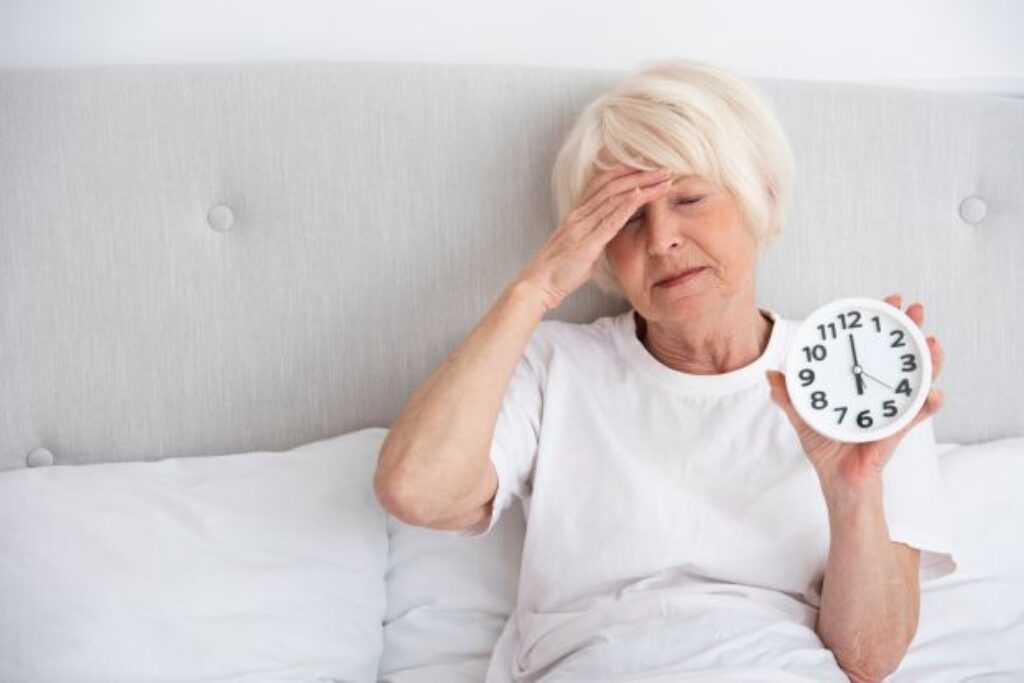
Most people don’t have generic insomnia. They have a pattern.
You might notice:
- Can’t fall asleep to save your life
- Fall asleep fine, wake up constantly
- Wake up way too early, that’s it
- Sleep all night but wake up feeling like garbage
Trouble falling asleep comes with that “tired but wired” feeling. Body’s exhausted. Brain? Still going. That’s the not sleeping menopause experience. Sleep maintenance insomnia symptoms are super common.
Early waking is like your body set an alarm for 4:30 a.m. and forgot why.
Non-restorative sleep means you slept enough hours but wake up foggy, heavy. That’s menopause sleep deprivation even when you technically “slept.”
None of this means you’re broken. Usually just means your nervous system is stuck on high alert.nning on “high alert,” and the old hormonal support for deep, steady sleep is lower or more up and down.
Do hot flashes and night sweats mess with sleep and menopause?
Oh, 100%. They’re the worst.
When estrogen fluctuates, your brain’s thermostat gets jumpy. At night it goes like this:
You’re finally asleep.
Suddenly you’re on fire. Heart pounding. Covers off. Fully awake and pissed.
Ten minutes later you’re freezing, damp, trying to get comfortable again.
It’s not just heat that wakes you. It’s the adrenaline rush. That jolt snaps you awake and makes it really hard to drift back.
After a while, some women dread bedtime because they’re expecting the 2 a.m. sweat session. That dread alone makes falling asleep harder.
If night sweats are your main problem, this has tons of practical help: Menopause night sweat relief: sleep cool, wake restored.
Menopause sleep problems natural remedies – what works?
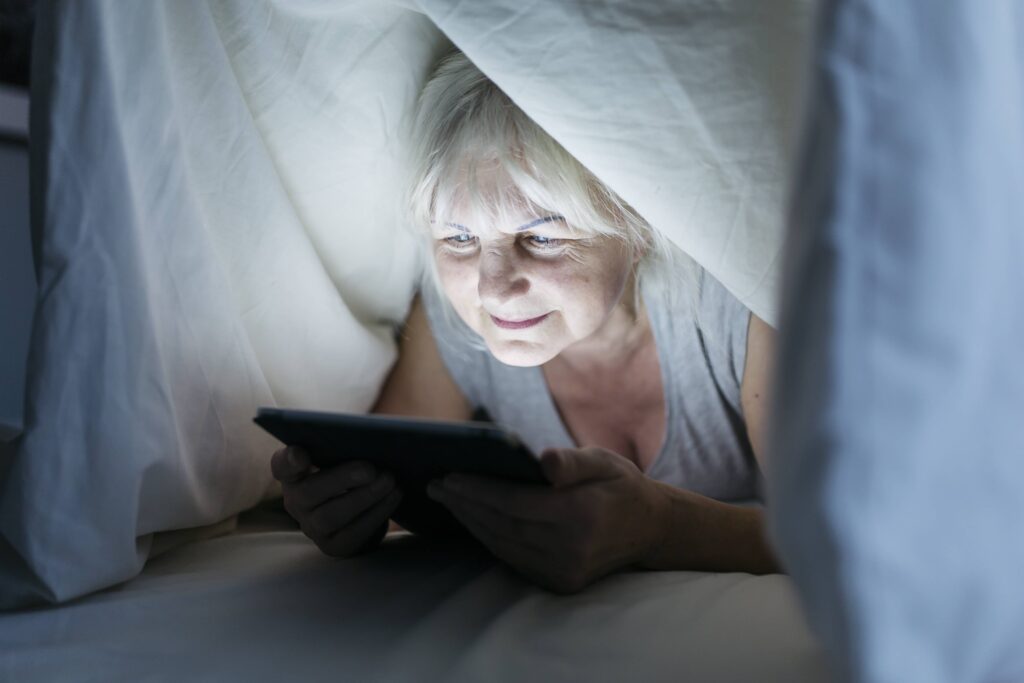
Let’s skip the 47-step routine. You’re already tired.
Here are menopause sleep problems remedies that don’t need a prescription:
Go to bed and wake up around the same time every day. Boring, I know. But your brain loves routine.
Cool your bedroom way down. Like 18-19°C. Use cotton or linen, nothing synthetic.
Cut back on late-night scrolling. That blue light tricks your brain into thinking it’s daytime.
Get bright light in the morning, dim things at night. Morning sunlight sets your clock.
Watch caffeine timing. For lots of women, anything after lunch lingers and messes with sleep. Same with alcohol – knocks you out first, wakes you up later.
And the mental spiral. If you’re lying there thinking “I’m not sleeping, tomorrow’s gonna suck,” your brain links bed with stress. Not helpful.
Sometimes it works better to just get up for a bit. Go sit somewhere else, lights low, read something boring, do slow breathing. When you feel settled, go back. Retrains your brain that bed equals rest, not battle.
Some women swear by menopause meditation sleep practices. Even 5-10 minutes of guided breathing helps.
Menopause and insomnia natural remedies – do supplements help?
Super individual. What works for your friend might do nothing for you.
Some menopause insomnia natural remedies women try:
Magnesium – especially glycinate. Helps with relaxation and calming your nervous system.
Menopause and insomnia melatonin – helps you fall asleep, doesn’t always help you stay asleep. Start low, like 0.5-1 mg.
Black cohosh – used for hot flashes. Does black cohosh make you sleepy? Not directly, but if it helps night sweats, sleep might improve.
Valerian root or passionflower – old-school herbs. Some love them. Others feel nothing.
Ashwagandha – helps with stress and cortisol. If insomnia’s tied to feeling wired, worth trying.
Always check with your doctor before adding supplements.
Menopause and insomnia treatment – when to get help?
When do you stop Googling “how can i sleep better during menopause” at 3 a.m. and talk to someone?
If your sleep issues are crushing your mood, making it hard to work or drive, ramping up anxiety, or making life feel heavy most days – that’s your sign.
There are real options for menopause and insomnia treatment. Hormone therapy. Non-hormonal meds. CBT-I. Herbal stuff. Different combos depending on what’s going on.
Women wait way too long to bring this up. They think it’s not “serious enough.” But chronic bad sleep affects everything – blood sugar, blood pressure, weight, mood, even bone health.
You’re allowed to say, “This is messing with my life. I need help.”
If you’re in the UK, search “insomnia menopause nhs” or “menopause insomnia nhs” for resources.
Does hormone therapy help? For some women, yes. Game changer, especially if hot flashes are the main problem. HRT can smooth out hormone swings, calm night sweats, improve mood, help sleep feel stable.
Not magic. Not for everyone. Different types, doses, ways to take it. But for the right person, huge difference.
Curious about it? Check this: Does Hormone Replacement Therapy work?.
Main point: you have options. Not stuck forever.
Menopause insomnia how long does it last?
Honestly? Varies a lot.
For some, worst of it lasts a year or two during peak perimenopause. For others, several years. Postmenopausal insomnia is also a thing.
Good news though. For lots of women, once the wildest swings calm down, sleep gets better. Fewer hot flashes. Less night waking. Less 2 a.m. panic.
But by then, many have picked up habits that keep sleep messy – late scrolling, too much caffeine, long naps, expecting bad nights.
So it’s two-part. Hormones settling plus retraining your brain and body.
Women who do best aren’t doing everything perfectly. They keep trying stuff, stay curious, ask for help early instead of waiting till they’re burned out.
Your sleep story isn’t over. Just a messy middle chapter.
Menopause bad dreams and night terrors – what’s that about?
Some women notice way more vivid dreams, nightmares, or even menopause and night terrors.
Does menopause cause weird dreams? Yeah. When progesterone and estrogen swing around, it messes with REM sleep and dream intensity. Add stress, anxiety, broken sleep, and your brain serves up wild stuff.
Night terrors are less common but happen, especially with high stress or menopause lack of sleep over time.
If bad dreams or night terrors happen regularly, mention it to your doctor. Tweaking habits, managing anxiety, or adjusting hormones can help.
How can I sleep better during menopause – quick version

Short answer to “how can i sleep better during menopause”:
- Regular sleep schedule
- Cool, dark room
- Limit caffeine and alcohol after lunch
- Morning light, dim at night
- Try magnesium or melatonin
- Talk to doctor if sleep’s wrecking your life
- Consider HRT if natural stuff isn’t working
Want to hear from other women? Search “menopause insomnia forum” to connect with people who get it.
Final thoughts – you’re not “bad at sleep”
One thing to take away:
Menopause and insomnia go together for real biological reasons. You’re not weak. Not dramatic. Not “too sensitive.” Your body’s recalibrating.
You’re allowed to be frustrated.
Allowed to ask for help.
Allowed to want better than “just deal with it.”
You’re not stuck with broken sleep forever. Might take experimenting, new habits, maybe medical support. But your body’s still on your side. Just needs a strategy
References
- The Menopause Society – Sleep and menopause information. https://www.menopause.org
- National Institute on Aging – Menopause symptoms, sleep, and aging. https://www.nia.nih.gov
- Australasian Menopause Society – Insomnia and menopause fact sheet. https://www.menopause.org.au
Disclaimer: This article is for educational purposes only and does not replace personalized medical advice, diagnosis, or treatment. Always discuss your own symptoms, medications, and options with your healthcare provider before making changes.