Ons Chrysogelos
Desperately looking for PCOS Treatment Guidelines? I’ve been living with PCOS for about 8 years now, and honestly? Most of the treatment advice out there just doesn’t feel very helpful when you’re actually dealing with this condition day to day.
I still remember my first appointment back in 2016. My doctor looked at my bloodwork, glanced at me, and said “Well, you need to lose about 30 pounds and here’s some metformin. See you in three months!”
I sat there thinking… wait, that’s it? I’d been tracking my periods for two years because they were only coming maybe 3 times a year. I had these dark patches on my neck that made me feel so self-conscious. My skin was breaking out constantly. And the solution was just “lose weight”?
The thing is, I actually tried following that advice for way too long. Spent the next year and a half on really restrictive diets, working out almost every day… and nothing changed. Actually, things got worse. My hair started thinning, and I felt exhausted all the time.
But here’s what I wish someone had told me back then – there really are treatments that can help you feel so much better. Not just the basic “lifestyle changes” advice (which honestly made me feel like I was failing). Like actual medical approaches that address what’s really going on in your body.
It just took me a while to find healthcare providers who really understood PCOS.
So what actually causes PCOS?

This question used to keep me up at night. Like why me? Why do I have to deal with this when my roommate Sarah can eat whatever she wants and never seems to struggle with her weight?
My mom wasn’t much help when I first got diagnosed. She was like “Oh sweetie, I had irregular periods, and hormonal imbalance and back pain too when I was your age.” Thanks mom, but that doesn’t really explain what’s happening to me right now. Looking back, she probably had PCOS too, but in the 80s doctors just told women these things were “normal.”
So here’s what I’ve learned over the years – and honestly, it took me forever to really understand this because doctors don’t always explain it clearly – your body becomes resistant to insulin. You know insulin, right? It’s supposed to help your cells use sugar for energy. But with PCOS, your cells kind of ignore it.
So your pancreas is like “Hello? Anyone listening?” and starts making MORE insulin to try to get the message across. All that extra insulin floating around tells your ovaries “hey, make some testosterone!” And that’s the reason a lot of the symptoms show up – the acne, unwanted hair growth, missing periods.
Your body feels like it gets stuck in this frustrating cycle and cannot figure out how to heal.
Also, chronic inflammation comes with PCOS. Not the kind you can see, just this low-level irritation that makes everything feel harder. Stress makes it worse. Poor sleep makes it worse. Eating too much processed food makes it worse. It’s honestly pretty exhausting.
Can I actually get rid of PCOS or am I stuck forever?
Okay, so this might sound a bit disappointing, but… there’s no actual cure for PCOS. Trust me, I’ve looked everywhere. I’ve tried every supplement on Amazon, every diet plan on Pinterest, every “natural remedy” some wellness blogger promised would work.
When I first got diagnosed, I spent hours at 2 AM reading about women who claimed they “reversed” their PCOS. Spoiler alert: they didn’t actually reverse it. They just got really good at managing their symptoms.
But here’s the encouraging part – you can feel dramatically better. I’m talking about going from feeling tired and frustrated most of the time to actually having energy and clear skin and regular periods.
My friend Jessica has had PCOS for about 12 years now. She has two beautiful kids, lost weight and kept it off, and honestly, most days she doesn’t even think about having PCOS. That’s what good management looks like.
The other thing that gives me hope? Menopause actually resolves a lot of PCOS symptoms naturally. My aunt struggled with PCOS in her 20s and 30s, but after menopause, most of her symptoms just… went away.
So yes, actually, you’ll always have PCOS. But don’t let your body feel stuck with all the uncomfortable symptoms.
What medications actually work and which ones don’t?

I have some strong feelings about this after trying so many different approaches over the years.
Metformin:
This medication honestly changed my life. Yes, the first few weeks were rough – I had some digestive issues while my body adjusted. But once I got used to it? Total game changer. My energy came back, I stopped having those afternoon crashes, and I finally started losing weight.
The important thing nobody mentions is that it works so much better when you’re also eating balanced meals. It’s not a magic solution you can take while living on fast food.
Birth control:
If you’re not trying to get pregnant, hormonal birth control can fix periods and skin issues. But it’s better to start addressing the root cause. I was on Yaz for about 4 years and felt fine, but when I went off it to try to conceive, all my symptoms came back.
Spironolactone:
This one helps with unwanted hair growth and acne by blocking testosterone. Just a heads up – you might need to use the bathroom more frequently for the first few weeks while your body adjusts.
Inositol:
This is like the gentler cousin of metformin. If metformin doesn’t agree with you, this might be worth trying. I take the 40:1 ratio (myo-inositol to D-chiro-inositol). It sounds fancy, but you can find it online for pretty reasonable prices.
Letrozole/Clomid:
If you’re trying to get pregnant, these can help with ovulation. Much better tolerated than some of the older fertility medications.
On the other hand, Berberine made me feel nauseous, chromium didn’t seem to do anything, and I tried a few supplements that just weren’t worth the money.
When will I start feeling better with my PCOS treatment?
This is the question of 1 million dollars, and I really wish I could give you a definitive answer. PCOS affects everyone so differently.
But here’s what my timeline looked like, just to give you an idea:
Around week 3 on metformin: I stopped needing that afternoon nap every single day. I could actually stay alert and focused past lunch without needing extra caffeine.
Month 2: My skin started clearing up. Not completely, but enough that I felt more confident going out without makeup.
Month 4: I got my first real period in about 8 months. I was honestly so relieved I almost cried happy tears.
Month 6: I started losing weight without really trying. Like actually losing it and keeping it off, not just temporary water weight.
Year 1: I’d lost about 25 pounds total and it stayed off. My periods were coming every 6-8 weeks instead of barely at all.
Actually, some women notice changes within a few weeks, while others need 6 months or more. It depends on how out of balance your hormones were in the beginning, what treatments you’re using, and, honestly, just individual body chemistry.
My advice? Don’t decide about any new treatment before trying it for at least 3 months. I know you want to feel better right now, but hormones need time to rebalance.
What should I eat to deal with PCOS?
Oh my goodness, the diet advice for PCOS is everywhere and so much of it is overwhelming. Keto! Paleo! Vegan! Low-carb! Anti-inflammatory! It’s enough to make you want to just give up and eat pizza forever.
Here’s what actually worked for me after trying pretty much everything:
I stopped thinking about strict “diets” and started focusing on keeping my blood sugar stable throughout the day. That’s really the main strategy.
Breakfast: Greek yogurt with berries and nuts, or eggs with avocado toast. Something with protein so I don’t crash mid-morning.
Lunch: Usually a salad with chicken or a wrap with turkey and lots of veggies. Again, protein plus some carbs plus healthy fats.
Dinner: Pretty much whatever sounds good, but I try to include vegetables and protein. Could be salmon with sweet potato, could be tacos, could be pasta with chicken and veggies.
Snacks: Apple with peanut butter, cheese and crackers, handful of nuts. Things that won’t send my blood sugar on a roller coaster.
I still love eating pizza sometimes. I still enjoy ice cream! I just don’t eat ONLY those things anymore. I am trying to keep the balance, eating nourishing foods 80% of the time, so the other 20% really doesn’t matter.
The biggest change for me was eating every 3-4 hours. I used to skip breakfast, have a tiny lunch, then wonder why I was ravenous and craving everything in sight by evening. Now I eat regularly, and those intense cravings are mostly gone.
Can I get pregnant with PCOS?
Short answer: Of course! Longer answer: It might take some patience and possibly some help figuring out your cycle.
I won’t sugarcoat it – PCOS is one of the more common reasons women have difficulty conceiving. But “difficulty” definitely doesn’t mean “impossible.” It often just means you need help understanding when you’re ovulating.
My sister tried for almost 2 years with her first baby. She tracked everything – temperature, cervical changes, ovulation strips. It felt like a part-time job sometimes. But she eventually figured out her pattern and now has three beautiful kids.
Personally, getting the insulin resistance under control made a huge difference. When I started metformin and improved my eating habits, I began ovulating more regularly. Not like clockwork, but consistently enough.
Some women need fertility medications to help with ovulation. Some couples end up needing IVF. But many women with PCOS indeed get pregnant naturally once they listen to their bodies better.
The earlier you ask for help, the better the results you have. If you’re under 35 and have been trying for 6 months without success, consider seeing a reproductive endocrinologist. If you’re over 35, don’t wait more than 3 months.
And definitely track your cycles! I use the Fertility Friend app (it’s not the prettiest, but it works really well). You need to understand what your body is doing before you can work with it effectively.
What supplements are actually worth spending money on for PCOS treatment?
Honestly, I’ve probably spent close to $2000 on supplements over the years. Here’s what actually helped me:
Inositol:
I mentioned this earlier, but it’s worth repeating. This supplement has real research behind it and is much gentler than metformin for many people.
Omega-3s:
Good for reducing inflammation. I take a high-quality fish oil with at least 1000mg of EPA and DHA combined. Nordic Naturals is pricey but worth it in my experience.
Vitamin D:
Definitely get your levels tested first. Most people are deficient anyway, but it’s especially common with PCOS. I take 2000 IU daily.
Spearmint tea:
This one sounds a bit unusual, but it can actually help with unwanted hair growth. Two cups a day. It takes a few months to see results, but it’s inexpensive and tastes nice.
NAC:
This can help with insulin resistance and ovulation. Just start with a lower dose because it can be hard on your stomach initially.
Magnesium:
Really helpful for sleep and stress management. I take magnesium glycinate before bed.
What felt like a waste of money: Berberine, chromium, saw palmetto, DIM, and probably 15 other things I can’t even remember trying.
How do I know if my PCOS treatment is actually working?
This can be tricky because PCOS symptoms change gradually, and some days are just naturally better than others.
I keep simple notes on my phone – nothing elaborate, just how I’m feeling energy-wise, what my skin looks like, when I get my period, that sort of thing.
Here’s what improvement looked like for me:
Energy: I stopped needing that daily afternoon nap. I could stay awake and alert past 8 PM without feeling completely drained.
Mood: I became less irritable and moody overall. My boyfriend definitely noticed this change before I did.
Periods: Went from maybe 4 periods a year to one every 6-8 weeks. Still not perfect, but such an improvement.
Skin: The deep, painful cystic acne became smaller, less frequent breakouts. I still get pimples sometimes, but not those really painful ones.
Cravings: I stopped thinking about food constantly. I could eat a normal meal and feel satisfied instead of wanting to eat everything in the kitchen.
Lab results: My testosterone levels came down, insulin levels improved, and inflammation markers got better.
Honestly, the scale was the last thing to change, which was pretty frustrating at the time. But everything else improving made me feel so much better that the number mattered less and less.
When should I look for a different doctor?
Probably sooner than you think, honestly. I spent way too many years with healthcare providers who didn’t really understand PCOS very well.
If your doctor’s entire treatment plan is just “lose weight and take birth control,” it might be time to find someone with more specialized knowledge. Not that those approaches can’t be helpful, but PCOS is complex and deserves more comprehensive care.
Some red flags to watch for:
- They dismiss your symptoms or say they’re just “normal”
- They don’t order thorough hormone testing
- They seem rushed or don’t really listen to your concerns
- Their only suggestion is weight loss
- They’ve never heard of treatments like inositol or other PCOS-specific approaches
Look for a reproductive endocrinologist or an endocrinologist who specifically mentions PCOS as one of their areas of focus. They’ll typically do more comprehensive testing and know about treatments your regular doctor might not be familiar with.
I finally found Dr. Chen when I was 26, and I really wish I’d found her years earlier. She actually listened to everything I was experiencing, ordered tests I’d never heard of, and created a real treatment plan instead of just handing me a generic diet pamphlet.
Don’t be afraid to speak up for yourself. You know your body better than anyone else. If something doesn’t feel right, keep looking until you find someone who takes your concerns seriously.
Is it actually possible to feel good with PCOS?
I’m not going to pretend that having PCOS is easy. There are still days when I feel frustrated with my body, when I wish I could eat like my friends without thinking about it, when I’m annoyed that I have to be so mindful of my hormones all the time.
But you know what? I genuinely feel better now at 29 than I did at 21. I have consistent energy, my skin is clear most days, my periods are predictable, and I actually feel comfortable in my body most of the time. That seemed completely impossible when I was first diagnosed.
The key is finding what works for your specific body and situation. What helps me might not help you, and that’s completely normal. It’s not about willpower or being “perfect” – it’s just about understanding your individual biology.
Some things that have really helped me:
Sleep: I try to be in bed by 10 PM most nights. My Fitbit reminds me if I’m not getting at least 7 hours. Sleep affects everything with PCOS.
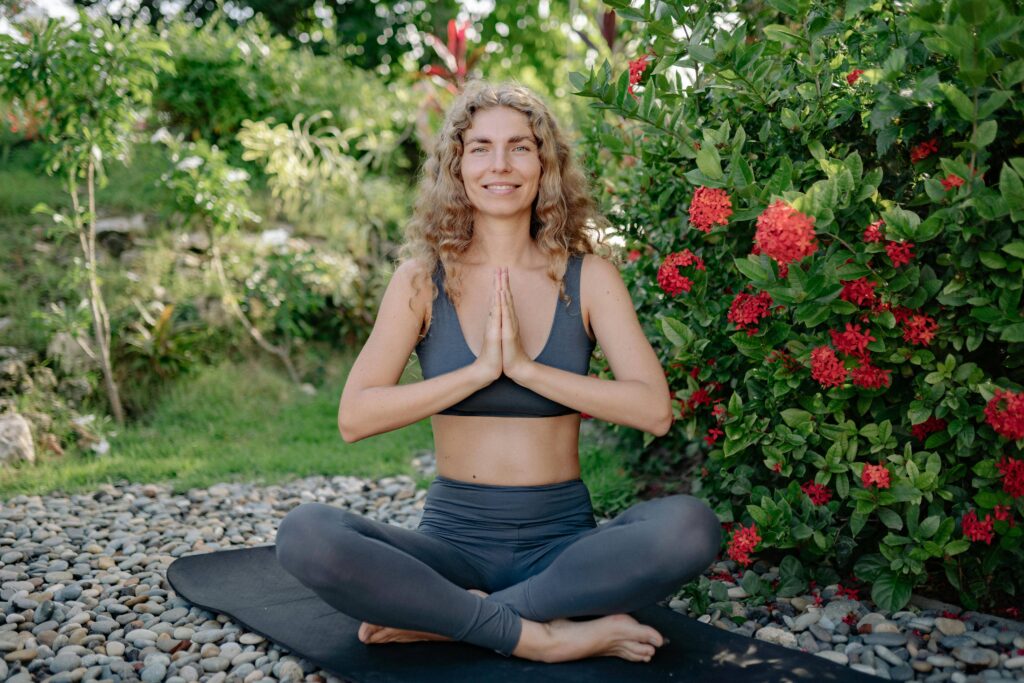
Stress management: I do yoga twice a week and see a therapist monthly. Stress definitely makes PCOS symptoms worse.
Community: I joined a PCOS support group online. Having people who actually understand what you’re going through makes such a difference.
Realistic expectations: Progress is slow and not always linear. Some months are better than others, and that’s perfectly okay.
Good healthcare: Finding doctors who specialize in PCOS and actually listen to you was probably the most important thing for me.
If you’re struggling either with PCOS or with PMS, please know that you’re not alone in this journey.
PCOS doesn’t have to control your life. It took me longer than I’d like to figure that out, but I’m living proof that you can feel genuinely good in your body again. It just takes time, patience, and the right kind of support.
You really can do this. Even on the days when it doesn’t feel like it.
Medical Disclaimer
Important: This article is for informational purposes only and is not intended as medical advice. The information provided should not be used for diagnosing or treating a health condition or disease, and those seeking personal medical advice should consult with a licensed physician. The content is based on current research and clinical guidelines, but individual experiences may vary.
References
- Teede, H. J., et al. (2023). Recommendations from the 2023 International Evidence-based Guideline for the Assessment and Management of Polycystic Ovary Syndrome. Fertility and Sterility, 120(4), 767-793. https://pubmed.ncbi.nlm.nih.gov/37580314/
- Mayo Clinic Staff. (2022). Polycystic ovary syndrome (PCOS) – Diagnosis and treatment. Mayo Clinic. https://www.mayoclinic.org/diseases-conditions/pcos/diagnosis-treatment/drc-20353443
- Cleveland Clinic. (2023). PCOS (Polycystic Ovary Syndrome): Symptoms & Treatment. https://my.clevelandclinic.org/health/diseases/8316-polycystic-ovary-syndrome-pcos
- Williams, T., Mortada, R., & Porter, S. (2016). Diagnosis and Treatment of Polycystic Ovary Syndrome. American Family Physician, 94(2), 106-113. https://www.aafp.org/pubs/afp/issues/2016/0715/p106.html
- Lucidi, R. S. (2023). Polycystic Ovarian Syndrome Guidelines: Guidelines Summary. Medscape. https://emedicine.medscape.com/article/256806-guidelines
- Rocky Mountain Fertility Center. (2023). 10 Most Frequently Asked Questions About PCOS. https://www.rockymountainfertility.com/blog/10-most-frequently-asked-questions-about-pcos