Ons Chrysogelos
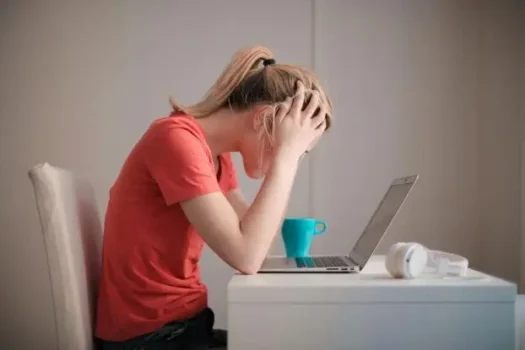
Premenstrual syndrome pms treatment isn’t just theory; it’s messy, personal, and sometimes a little lonely until you find what works. On a Tuesday in March, Maya – 29, a product manager with two rescue cats – texted me a photo of her desk: sticky notes fanned like a peacock, a half-eaten granola bar, and a heating pad tucked under her sweater. “Cycle day 26,” she wrote. “I can do hard things, but I need a plan.” What finally helped her wasn’t a single supplement. It was a layered approach: steadier meals, smarter caffeine, magnesium at night, plus a conversation with her clinician about luteal-phase SSRIs. Two cycles later, she told me, “The bad days didn’t vanish, but they stopped hijacking my week.”
If you’re curious about related symptoms, this piece from The Hormone Nest connects the dots between hormones and pain: Hormonal Imbalance and Back Pain: The Surprising Connection. We’ll build on that here.
PMS Definition: What It Actually Means (and What It Doesn’t)
The PMS definition most clinicians use goes something like this: a pattern of physical and emotional symptoms that appear in the luteal phase (after ovulation, before bleeding), improve within a few days of your period starting, and are significant enough to affect daily life.
That last part matters. PMS isn’t just “feeling a bit off.” It’s a recurring, cyclical pattern. And it’s not the same as PMDD (premenstrual dysphoric disorder), which is more severe and warrants its own clinical approach.
What PMS is not: a personality flaw, an excuse, or something you should just push through.
Jordan, 34, spent years apologizing for her “bad weeks” before she realized the timing was consistent and the symptoms were real. Once she had a name for it, she stopped blaming herself and started problem-solving.
Premenstrual Syndrome Symptoms: The Full Picture
When people say “PMS,” they usually mean mood swings. But premenstrual syndrome symptoms are wider than that—and knowing the full list helps you recognize what’s actually happening in your body.
Physical symptoms:
· Bloating (the “my jeans hate me” feeling)
· Breast tenderness
· Headaches or migraines
· Fatigue
· Sleep disruption
· Food cravings (especially sugar and salt)
· Muscle or joint aches
Emotional and cognitive symptoms:
· Irritability or anger that feels disproportionate
· Anxiety or a sense of dread
· Low mood or tearfulness
· Brain fog, poor concentration
· Feeling overwhelmed by things that normally feel manageable
Severity varies by person and by month. Stress, sleep, nutrition, and life circumstances all play a role. Some cycles are mild. Others feel like your nervous system is running on a different operating system.
PMS Depression: When the Emotional Symptoms Are the Main Event
PMS depression can feel like a curtain coming down: motivation drops, confidence disappears, and everything feels heavier. What makes it confusing is how real it feels in the moment—and then, a few days into bleeding, the mental weather clears.
If this resonates, you’re not imagining it. Track the timing. Talk to your clinician. And be especially cautious with big decisions during your hardest days. I’ve seen people quit jobs, end relationships, or send texts they regret—when what they actually needed was sleep, food, and support.
If PMS depression is severe or includes thoughts of self-harm, that’s PMDD territory and deserves clinical attention, not just lifestyle tweaks.
Food Tweaks That Add Up (No Perfection Required)

There’s no single PMS diet. Emphasize slow-digesting carbs (oats, beans, quinoa), colorful produce, fermented foods, and adequate protein. If bloating runs the show, cook more at home the week before your period and watch salty packaged foods. Some folks improve when they scale back ultra-processed snacks late in the luteal.
Cravings will visit. Plan for “better treats” instead of an all-or-nothing standoff. Jordan stocks yogurt with berries and a square of dark chocolate. The point isn’t sainthood – it’s satisfying the craving without the sugar crash.
Vitamins for PMS: What the Research Actually Says
Evidence is evolving, but a few options are repeatedly studied:
- Calcium (1,000–1,200 mg daily): Linked to less mood volatility, fatigue, and cravings in several trials.
- Vitamin B6 (50–100 mg daily): May reduce mood symptoms; avoid high doses long-term without supervision.
- Magnesium (200–400 mg nightly), often glycinate or citrate: Can support sleep, headaches, and muscle tension.
- Chasteberry (Vitex agnus-castus): Some evidence for breast tenderness and mood; expects effects over 2–3 cycles.
- Omega-3s (EPA/DHA 1–2 g daily): Support mood and inflammation; take with meals.
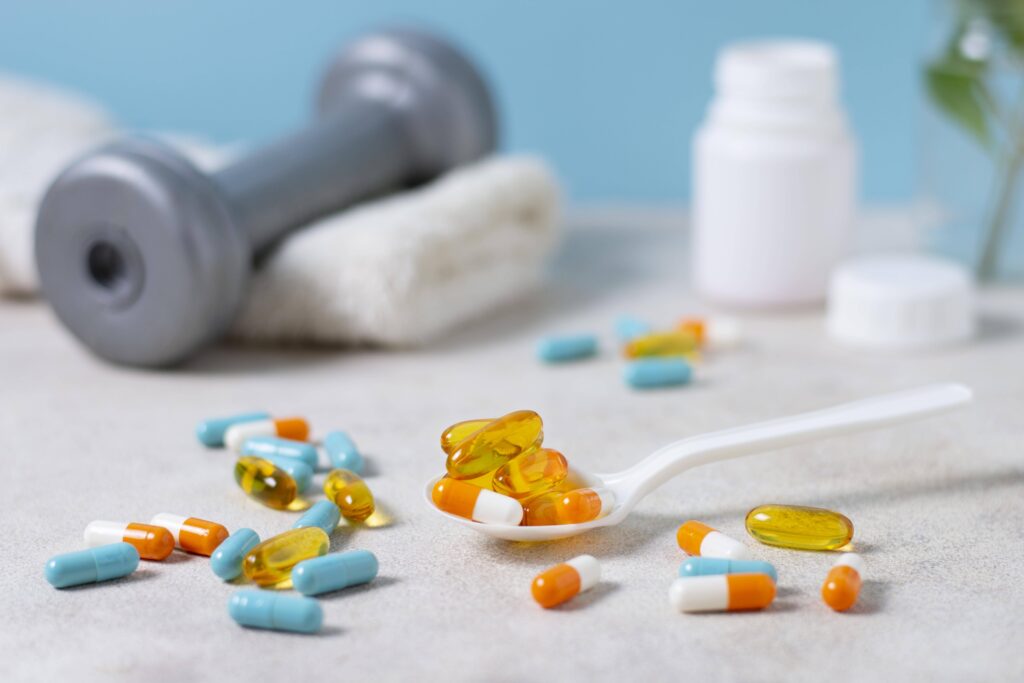
Maya’s “stack” looked like this: protein-forward breakfast, magnesium glycinate 300 mg after dinner, calcium split morning and evening, and a daily omega-3. By cycle three, she described her worst days as “loud but not in charge.”
Note: Supplements can interact with medications and aren’t right for everyone. Track symptoms and review with a healthcare professional.
PMS Treatment: The Layered Plan That Helps Most People
If PMS is regularly wrecking work, relationships, or your mental health, medications can help – sometimes only during the luteal phase.
- SSRIs/SNRIs: Fluoxetine or sertraline can be used daily or luteal-phase only. Strong evidence for PMS and PMDD mood symptoms.
- Hormonal contraceptives: Certain combined pills (particularly with drospirenone) may help by smoothing hormone fluctuations. Others notice worsening symptoms, so monitor closely.
- NSAIDs: For cramps, headaches, and breast tenderness, start just before your typical symptom window.
After trying lifestyle changes, Lila added luteal-phase sertraline with her clinician’s guidance. She kept her weekly walk and magnesium, and rated her irritability shift from “8/10 door-slamming” to “3/10 sighing.” That 5-point swing handed her week back.
Track It Like a Scientist, Treat Yourself Like a Friend
A simple calendar, an app, or a spreadsheet can uncover timing and triggers. Track sleep, stress, movement, caffeine, alcohol, and symptoms: bloating, cravings, anger, sadness, focus, and headaches. Patterns appear fast – often within two cycles.
Build a “luteal kit”: stick-on heat patches, your favorite tea, magnesium, omega-3s, dark chocolate, a 20-minute playlist that calms you, and a low-stakes plan you actually like (a shower + pajamas + journal counts).
If you want to have better control over your cycle, dive deep here: Cycle Syncing Diet for Hormonal Balance
Mind-Body Tools For Mood And Pain
Stress dials symptoms up. Small practices help more than heroic ones you can’t keep.
- Breathwork: Try 4-7-8 or box breathing for five minutes to downshift your nervous system.
- Heat + stretch: A heating pad and 10 minutes of gentle yoga can calm cramps and back tension.
- Cognitive cue: Tell yourself, “This is a cycle day 26 thought—I don’t have to act on it.” It creates a pause between feeling and reacting.
- Social buffer: Share your “tough window” with a trusted person and ask for patience and low-stakes plans.

Build Your Personal Plan In Three Passes
Pass one: track two cycles. Pass two: add one or two low-risk changes (magnesium at night, caffeine taper after ovulation). Pass three: layer calcium or omega-3s, then consider medications if life is still getting sideswiped. Give each change two to three cycles before judging.
Expectation setting helps. We’re not erasing PMS; we’re shrinking the spike so the days before your period feel livable.
Watch-Outs: Get Care If You See These
Seek prompt evaluation for suicidal thoughts, severe depression or anxiety focused premenstrually, sudden cycle changes, very heavy bleeding, or disabling pain. PMDD is treatable. Thyroid problems, iron deficiency, and other conditions can mimic or worsen PMS – labs and a clinician’s assessment can clarify.
The Bottom Line
Premenstrual syndrome pms treatment works best when it’s practical and personal. Track, tweak, and build support you can repeat. Maya says it best: “I still have my hard days. The difference now is I have a map.”
This article is for educational purposes only and is not a substitute for professional medical advice, diagnosis, or treatment. Always consult a qualified healthcare provider with questions about your health or before starting or changing any treatment.
References
- ACOG. Premenstrual Syndrome (PMS). https://www.acog.org/womens-health/faqs/premenstrual-syndrome
- Freeman EW. Premenstrual syndrome and premenstrual dysphoric disorder: definitions and diagnosis. UpToDate. https://www.uptodate.com/contents/premenstrual-syndrome-pms-beyond-the-basics
- Harvard Health Publishing. Premenstrual syndrome (PMS). https://www.health.harvard.edu/womens-health/premenstrual-syndrome-pms
- Cochrane Reviews on SSRIs for PMS/PMDD. https://www.cochranelibrary.com/cdsr/doi/10.1002/14651858.CD001396.pub3/full