Ons Chrysogelos

Have you ever wondered if the Cycle Syncing Diet could be the reason some days you feel like you’re flying through your to‑do list, and other days you’re dragging yourself around? Maybe your appetite swings wildly, or you’re not sure why chocolate feels essential right before your period. The truth is, it’s not in your head—your body runs on a monthly rhythm.
The cycle syncing diet is less about “fixing” you and more about learning how to work with that rhythm. When you eat with your cycle instead of ignoring the shifts, your month feels smoother. Energy makes more sense. Cravings, mood, and even workouts start lining up in ways that feel natural.
What Is the Cycle Syncing Diet?
The cycle syncing diet is simply about syncing your food choices with the four phases of your menstrual cycle:
- menstrual
- follicular
- ovulatory
- luteal.
Instead of eating like every day is the same, you shape meals that support what your hormones are already doing. It’s not rigid. It’s more like small nudges that help you feel balanced, grounded, and energized depending on the week you’re in.
Why Cycle Syncing food Matters
This is the part people tend to underestimate. Cycle syncing food is not just about what’s on the plate. It changes how you move through your day.
When estrogen rises, you may feel lighter, quicker, more up for social things. When progesterone takes over later in the cycle, you may want more rest, more steady fuel, fewer blood sugar swings. If you keep eating in a way that ignores those shifts, everything can feel a bit louder than it needs to. Cravings get sharper. Mood dips feel more dramatic. Energy crashes hit harder.
Food won’t erase hormones. It’s not magic. But it can make the ride less bumpy.
That’s really the heart of it: choosing foods that support your body where it is right now, not where an old meal plan says it should be
Menstrual Cycle Food Chart: What to Eat in Each Phase
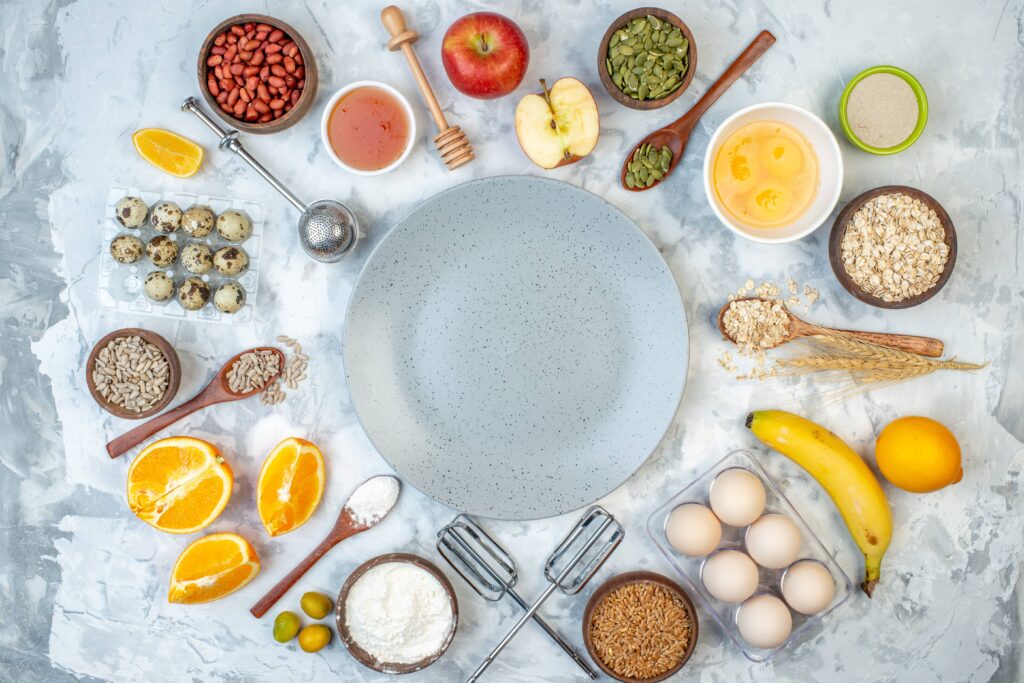
If you like seeing things laid out clearly, think of this as a simple menstrual cycle food chart in words. Not perfect. Not clinical. Just useful.
Menstrual Phase
During your period, your body is shedding the uterine lining and working harder than it feels like. That’s why fatigue and irritability often show up. Iron stores also dip as you bleed, leaving you prone to low energy.
- Iron boosters: spinach, lentils, beef — these replace iron loss and reduce that “drained” feeling.
- Warm and cozy: soups, stews, bone broth, herbal teas. Warm foods support circulation and digestion during a time when your body is conserving energy.
- Low‑inflammatory helpers: turmeric, ginger, cinnamon — they help with cramps and bloating.
Think of this phase like giving your body the nutritional hug it deserves.
Follicular Phase
As bleeding ends, estrogen starts to climb. This phase brings back energy, creativity, and motivation—it’s often when you feel most refreshed.
- Fresh veggies: kale, sprouts, broccoli — these support liver detox and estrogen metabolism.
- Lighter proteins: salmon, eggs, chicken — easy to digest and help rebuild tissue.
- Sprouted grains and oats: restore glycogen and keep your blood sugar steady as your metabolism revs up.
This phase is about light, fresh meals that match your rising energy. You’ll often notice workouts feel easier here.
Ovulatory Phase
Estrogen peaks, and testosterone gives you a confidence boost. Energy is high, skin often glows, and you may feel more extroverted. However, this is also when estrogen dominance can cause bloating if not well balanced.
- Antioxidant fruits: berries, citrus, cherries — combat oxidative stress from ovulation.
- Cruciferous veggies: cauliflower, Brussels sprouts, bok choy — support estrogen clearance by the liver.
- Hydration is key: estrogen can increase water retention; drinking enough fluids helps offset bloating.
This is your “high‑energy phase”—lean into foods that power your activity and protect your hormones.
Luteal Phase
Progesterone takes over, body temperature rises, and metabolism speeds up slightly. Your appetite may increase, and cravings, especially for sugar and chocolate, are common. Magnesium becomes your best friend here.
- Complex carbs: sweet potatoes, brown rice, lentils. Sweet potatoes in particular help stabilize blood sugar so you’re less likely to crash and reach for processed sweets.
- Magnesium foods: pumpkin seeds, dark chocolate, spinach. Magnesium can reduce cramps, soothe anxiety, and support sleep.
- Comfort veggies: carrots, squash, beets — grounding foods that provide steady fuel and fight bloating.
Instead of battling cravings, give your body nutrient‑dense comfort foods that satisfy and stabilize.
👉 If PMS hits hard, this article on Premenstrual Syndrome PMS Treatment That Feels Human dives deeper into practical relief.
Hormonal Balance Diet Plan Benefits in Real Life
A hormonal balance diet plan sounds serious, maybe even a little stiff, but in real life the benefits are very human.
- At work: Instead of crashing in the afternoon before your period, you feel sharper by leaning on complex carbs and magnesium. Presentations during the follicular or ovulatory phase feel smoother because your brain is naturally in “social mode.”
- During exercise: Syncing workouts with diet and cycle means not beating yourself up when a HIIT workout feels impossible in luteal. Instead, you power through it in follicular, then switch to yoga or Pilates in luteal with meals that support recovery.
- In relationships: Mood swings soften, and irritability lessens when you’re eating in sync. That late‑night craving for salty snacks? Swap in roasted sweet potatoes or dark chocolate with pumpkin seeds—you still satisfy cravings without the rollercoaster crash.
Cycle syncing also encourages women to listen more closely to their bodies, which reduces the guilt of off days. Suddenly, you’re responding with compassion instead of judgment.
A Chat with My Nutritionist

Me: “I’ve tried different diets, nothing clicks. Can syncing food with my cycle really work?”
Nutritionist: “Yes. Most diets ignore that your hormones shift across four weeks, not one day. When you follow that rhythm, you support those changes instead of pushing against them.”
Me: “Do I have to get every detail right though? I can barely track my phases.”
Nutritionist: “Not perfectly. Start small—iron during your period, grounding carbs before it, antioxidants mid‑cycle. Even if you misplace the exact day, your body feels the support.”
Me: “What if I’m on birth control?”
Nutritionist: “The synthetic hormones mean you don’t cycle in the same way, but you can still eat in tune with how you feel. If cravings increase, try supportive snacks. If energy drops, lean into protein and complex carbs.”
Me: “And women with PCOS or endometriosis?”
Nutritionist: “All the more reason. Blood sugar balance and inflammation control are huge here. Foods that ground and calm can make symptoms less intense. Check out PCOS Treatment Guidelines That Actually Work for more insights.”
Me: “How soon would I feel a difference?”
Nutritionist: “Most notice lighter PMS or steadier energy in one or two cycles. Longer‑term benefits show up after a few months—it’s about consistency, not perfection.”
Do You Need a Cycle Syncing App?
Short answer? No. A cycle syncing app can help, but it’s not required.
If you love structure, an app can be useful for spotting patterns: when cravings start, when your mood dips, when your workouts feel great, when sleep gets weird. That kind of tracking can save a lot of second-guessing.
But you do not need another phone notification bossing you around if that already stresses you out.
Some women do better with a notes app. Some use a paper planner. Some just start by noticing one thing: When do I get the hungriest? That’s enough to begin.
A cycle syncing app is a tool, not a requirement. If it helps you feel more connected to your body, great. If it makes you obsessive, skip it.
What the Science Says about Cycle Syncing Diet
“Cycle syncing diet” as a branded idea isn’t a medical term yet, but the pieces are backed by research.
- Iron helps replenish losses during menstruation.
- Omega‑3 fatty acids lower inflammation and menstrual pain.
- Stable carbs support luteal cravings and mood regulation.
- Cruciferous vegetables help metabolize excess estrogen at ovulation.
These bits of science, stitched together across phases, form the backbone of the cycle syncing approach.
Impact of Cycle Syncing Diet for Fertility and Weight
Cycle syncing may indirectly support fertility by improving the quality of ovulation (antioxidants are key here) and by supporting progesterone during the luteal phase, which is crucial for implantation.
As for weight, it’s not about calorie restriction. By managing cravings and honoring appetite shifts, women often feel they’re not sabotaging progress each month. Eating the right foods at the right time reduces binge cycles and helps metabolism settle into a healthier rhythm.
Wrapping It Up

The cycle syncing diet isn’t about rules—it’s about rhythm. When you tune into your body and make small shifts each week, life feels less like lurching between extremes. More even energy. Milder PMS. Food that actually feels right instead of random.
Some weeks you’ll nail it, some weeks life happens. That’s okay. Progress, not perfection, is the point.
References
- Albers, J. R., et al. Journal of Women’s Health (2020).
- Harvard Health: Nutrition for Hormone Balance
- American College of Obstetricians and Gynecologists: Menstrual Cycle Info
- Premenstrual Syndrome PMS Treatment That Feels Human
- PCOS Treatment Guidelines That Actually Work
Disclaimer: This article shares general information and should not replace medical advice. Always check with a qualified healthcare provider about personal choices related to hormones or diet.