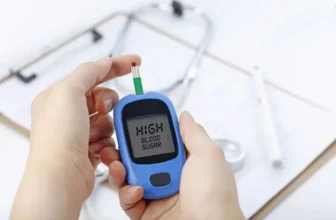
Ons Chrysogelos
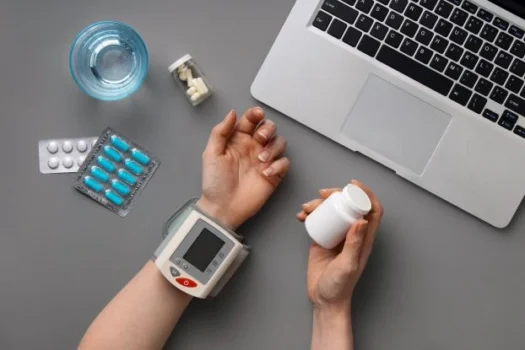
Blood sugar balance affects everything from whether you can get through the afternoon slump without coffee to how steady your mood feels after dinner. Many people ask about supplements for blood sugar control because diet and exercise are the foundation, but sometimes we wonder: Is there something else that can help steady the ride? In this article, I’ll walk you through some widely researched options, what they do, and how real people tend to use them.
Supplements for blood sugar: what actually helps?
We usually start here: supplements for blood sugar sound like a simple fix. And I get why—when you’re tired of the spikes and crashes, you want something you can actually do today.
But the real win is using supplements as support, not as a rescue mission. Think of these as supplements for blood sugar support, they work best when your meals and routines are giving them something to “hold onto.” If we pair the right supplement with the right habit (even something small like a 10-minute walk after meals), the results are more noticeable , and honestly, more sustainable.
Best supplements to control blood sugar?
A lot of names get thrown around, but only a few are consistently backed by both experience and research. I’ll highlight the ones that actually come up time and again in real clinics and conversations.
Magnesium tops the list because it quietly supports how insulin works. Many of us don’t get enough, and that low-grade deficiency shows up as cravings, fatigue, or restless sleep.
Chromium is another mineral that may help the body use insulin more effectively. For some, it smooths cravings out.
Berberine is often described as “nature’s metformin” because research shows it can lower blood sugar and A1c in meaningful ways.
Alpha-lipoic acid (ALA) works differently—it adds antioxidant support and helps when chronically high blood sugar has left its mark.
Cinnamon extract, in standardized form, adds a mild but real nudge, especially after meals.
These aren’t magic fixes, but they can be useful helpers. For me, magnesium was the one that made morning energy steadier and reduced those frustrating nighttime kitchen visits. For others, berberine or chromium has been the game-changer. The key is figuring out the right fit for you with safe guidance.
Doses and safety notes
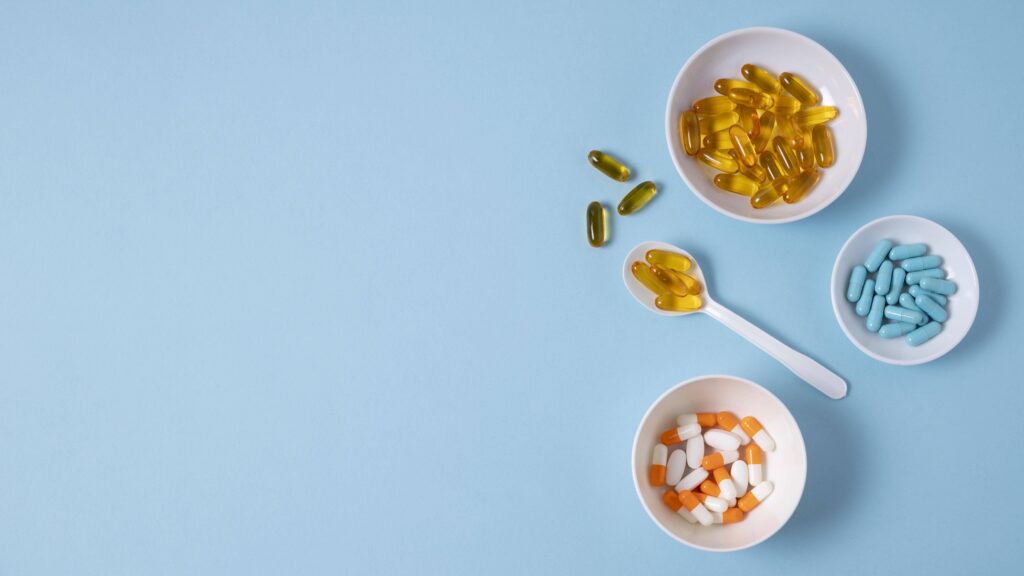
It matters not just what you take but how much and when. Let’s break it down the way most clinicians do.
- Magnesium (glycinate or citrate): Usually 200–400 mg at night. The gentler forms absorb better; the oxide version isn’t worth the digestive drama.
- Chromium (picolinate): 200–400 mcg per day. If you’re already on thyroid medication, take it at a separate time.
- Berberine: Typically 1,000–1,500 mg split through the day with meals. Start gently because it can upset digestion. It’s powerful—especially if you’re already on glucose-lowering medication, so run it by your doctor.
- Alpha-lipoic acid: 300–600 mg daily, away from meals so it can get absorbed properly.
- Cinnamon extract: 250–500 mg a couple of times daily. Look for Ceylon over cassia—it’s cleaner, without the extra liver burden.
When I added magnesium, I noticed calmer sleep before I saw lab numbers shift. That’s often how it goes—you feel a small change first, and the labs confirm it later. Always add these one at a time, and give each a fair 4–6 weeks before deciding if it helps.
If you’re curious how this ties in with a wider hormone-health approach, I recommend checking out this resource: PCOS Treatment Guidelines That Actually Work. Even if PCOS isn’t your story, the principles often overlap with blood sugar balance.
Berberine supplements for blood sugar
Let’s talk about berberine supplements for blood sugar, because this is the one people are most curious about, and for good reason. When it works, it’s not subtle. Many people notice their post-meal numbers calm down and their “snack radar” isn’t quite so loud.
That said, berberine is also the supplement most likely to cause issues if you stack it on top of medications without a plan. If you’re on insulin or other glucose-lowering meds, this is a “team decision” with your clinician. I’d rather you move a bit slower and stay safe than chase fast results.
If you want a gentle starting point, most protocols use 500 mg with meals, then build up as tolerated. And yes , some people get stomach upset at first. Starting low and taking it with food usually helps. Give it a real 6-week window before you decide if it’s working for you.
Cinnamon supplements for blood sugar
Cinnamon supplements for blood sugar can be a nice add-on, especially if your biggest issue is the after-meal spike. The important detail is this: we’re talking about a standardized extract, not the cinnamon you sprinkle on oatmeal.
In real life, cinnamon is rarely a “wow” supplement on its own. It’s more like the supporting actor that helps when your meals are already balanced (protein + fiber + some fat). If you want something gentle and low-drama to start with, cinnamon is often a reasonable option—just choose a quality product and keep expectations realistic. Ceylon over cassia, always.
Best supplements for diabetes type 2
If you’re specifically searching for the best supplements for diabetes type 2, you’re probably also juggling medications, labs, and a lot of mental load. You deserve support that doesn’t add stress.
The same core supplements apply—magnesium, berberine, ALA, sometimes chromium—but the safety bar is higher because interactions matter more. This is where I recommend being extra methodical: one supplement at a time, a clear goal (fasting glucose? post-meal spikes? cravings?), and a plan for monitoring. And if you’ve ever had lows, please don’t experiment alone—loop in your clinician first.
Can supplements lower blood sugar immediately?
This one’s easy: not really. If you’re expecting an overnight miracle, supplements will disappoint you. Medications are designed for that. Supplements, on the other hand, lean into gradual nudges. Some people see shifts in a few weeks; for most, it’s months. That slow unfolding makes changes more sustainable and less drastic.
I like to think of them as “background helpers.” They may never make front-page news in your routine, but over time you notice cravings ease, sleep steadies, and lab numbers look better. That’s success.
Are there risks?
Yes, and it’s important to name them clearly. First is interactions—berberine or ALA can lower blood sugar enough to be dangerous if stacked with insulin or certain medications. Second, quality control is uneven in the supplement industry. Choosing brands with third-party testing minimizes that risk. And third, personal response varies wildly—what steadies one person may do little for another.
That’s where self-tracking shines. Keep a short log: what you took, when, and how you felt. When paired with lab testing and professional input, this helps you avoid wasting time or money.
Supplements to lower blood sugar naturally (and the habits that make them work)

I’ll be honest: no pill will rescue a routine that skips sleep and runs on caffeine and refined carbs. But the good news is that it doesn’t take perfect habits to support your body.
Start with basics like:
- Protein: 25–35g per meal
- Fiber + color: veggies, beans, berries
- Post-meal walks: even 10 minutes makes a difference
- Consistent sleep windows: bedtime matters more than you think
- Tiny stress resets: long exhales, sunlight, short breaks
Each one is small, but they layer up. Supplements join this team, not lead it.
FAQs on supplements for blood sugar control
People often ask whether berberine is as effective as metformin. In certain studies, the outcomes look similar, but it’s important to remember that berberine isn’t a regulated drug—its quality and dosing vary widely.
Another question is whether cinnamon really works. In culinary doses, not much. But extracts at studied concentrations do appear to help in modest ways. Again, small shifts, not silver bullets.
One more common worry is whether supplements can “cure” diabetes. The answer is no. But they can help tilt the needle in the right direction, support steadier days, and reduce risk of complications alongside food, movement, and medications.
A realistic day on this approach

Let’s land this in real life with a simple day. Breakfast might be scrambled eggs with spinach. A short walk follows. Lunch could be grilled salmon with lentils and greens. A mid-afternoon snack: apple slices with almond butter. Dinner: turkey breast with roasted broccoli and a small portion of quinoa. If you added cinnamon extract, you’d take it with meals; magnesium fits nicely at night.
Pulling it together like this keeps the rhythm doable. You don’t need six powders or a shelf of pills—just a few thoughtful choices, layered on top of steady habits.
Final thoughts
Supplements for blood sugar control aren’t about chasing quick wins. They’re about support, stability, and giving your body extra tools. For some it’s magnesium’s calming effect; for others it’s berberine’s steadying influence. The best approach? Choose wisely, start slow, and keep the long game in view. Your body notices consistency more than perfection.
If hormones also play into your picture, this second article is a great tie-in: Menopause Fatigue Treatment: Regain your Spark Daily. Energy, sleep, and glucose balance tend to intersect more than we realize.
References
- NIH: Magnesium and Diabetes
- Mayo Clinic: Chromium for Blood Sugar
- Healthline: Alpha-Lipoic Acid Benefits
Disclaimer: For educational purposes only. Not medical advice. Always speak with your healthcare provider before starting supplements, especially with prescriptions, pregnancy, or medical conditions.