Ons Chrysogelos
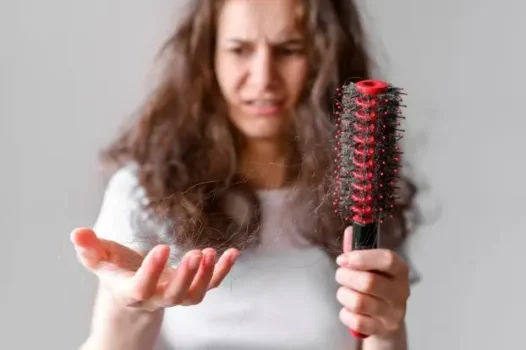
If you’re struggling with estrogen dominance hair loss, you’re not alone. Here’s what it really means, how to spot it, and the everyday things that can get your hair and confidence on track again. Even just reading those words can make your stomach drop a little. Because if you’ve noticed more hair slipping through your fingers in the shower, or your ponytail feeling thinner than it used to, it’s scary. I’ve been there too, staring at the brush and wondering what the heck was happening.
The truth: our hormones rise and fall all the time. But when estrogen is sitting higher than progesterone, the balance gets off. And hair is often one of the first places we notice it.
So let’s talk about this in plain language. What it is, how you know if this could be your thing, and what simple steps actually make a difference. No medical jargon here—just you and me figuring it out.
What is Estrogen Dominance Hair Loss?
When people say “estrogen dominance,” it doesn’t always mean you’ve got crazy high estrogen. Most of the time it just means progesterone isn’t keeping pace, which makes estrogen feel stronger than it should. Estrogen normally helps your hair grow by keeping it in that “growth phase.” But without enough progesterone, the delicate balance tips, and your hair growth cycle gets a bit messed up. Cue the shedding.
What it looks like in real life? Maybe your part looks wider, maybe more strands collect in the drain, maybe those little baby hairs grow in but never thicken.
And honestly, estrogen might not even be the only thing. Thyroid issues, low iron, stress, nutrition gaps—all of it can sneak in and make your hair thinner.
Hormones and Hair Loss: Why Your Scalp Notices First
Estrogen dominance hair loss can feel personal (because it is), but it’s also painfully common. Hair follicles are hormone-sensitive little divas. When your hormones shift, your hair growth cycle shifts with them sometimes quietly, sometimes like a full-on tantrum.
Estrogen usually supports hair by keeping more strands in the “growth phase” longer. Progesterone has a balancing, calming role. When progesterone drops then hello stress, skipped ovulation, perimenopause—estrogen can feel louder, even if your estrogen isn’t sky-high on paper. That imbalance can push more hair into the shedding phase, and suddenly you’re cleaning the drain like it’s your second job.
Estrogen Dominance Symptoms (and Hair Loss Clues)
If you’re trying to connect the dots, don’t look at hair alone—look at the whole “you.”
Common estrogen dominance symptoms can include:
· Heavier or longer periods, sometimes with clots
· Sore or swollen breasts before your cycle
· Bloating that makes jeans feel rude
· Mood swings or anxiety that spikes pre-period
· Headaches or migraines around your cycle
· PMS that suddenly feels more intense than it used to
· Shorter cycles or cycles where you think you’re ovulating… but you’re not
What Causes Estrogen Dominance and Hair Changes?
Life, basically. Stressful weeks with too many late nights mess with hormones. Less sleep means less progesterone, which makes estrogen loom larger. Add in chemical exposures—like plastics, fragrances, receipts—that act like estrogen in your body, and you’ve got another layer. Long-term birth control use? That can do it too. And don’t even get me started on perimenopause, when suddenly periods and ovulation are different.
I’ll share something personal. A few years ago, I was always “too busy”—working late, grabbing takeout, living on coffee, moving very little. My labs showed it: progesterone dipping low, estrogen hanging higher. My hair was the first to tattle—flat ponytail, clogged drain, and flyaway baby hairs that never seemed to grow. When I finally started caring for myself—actually sleeping, eating more real food, saying no sometimes—my hair didn’t magically bounce back overnight. But the shedding slowed, and that felt like hope.
Estrogen Deficiency vs. Estrogen Dominance: Yes, Both Can Shed Hair
This is the plot twist a lot of women don’t see coming: estrogen deficiency can also be a hair-loss trigger.
Estrogen dominance is more about ratio—estrogen feeling stronger than progesterone. Estrogen deficiency is more about low estrogen itself, which is common in late perimenopause and menopause.
What’s confusing is that the symptoms can overlap. Both can come with sleep changes, mood shifts, and hair thinning. The difference is usually the context:
· Estrogen dominance often pairs with heavier periods and classic PMS-type signs
· Estrogen deficiency often shows up with hot flashes, vaginal dryness, more night waking, and periods spacing out or disappearing
If you’re not sure which one you’re dealing with, that’s not a personal failure—your body is just giving you a messy puzzle. Labs plus symptom patterns usually clarify things.
How Do You Know If It’s Estrogen Dominance?
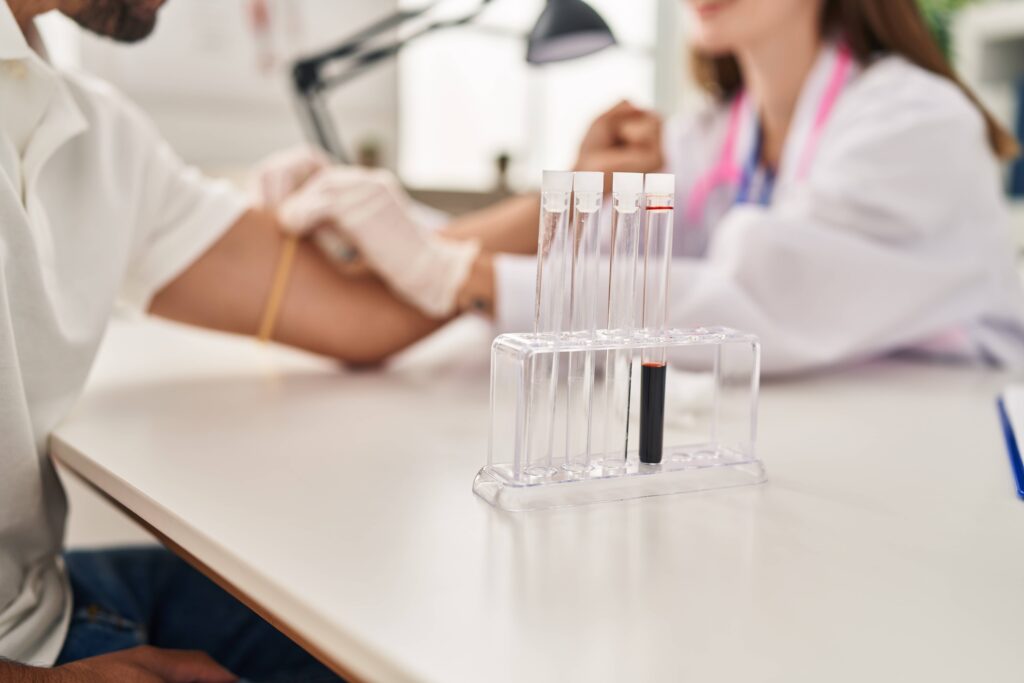
Look at the bigger picture. Hair loss plus other things like heavy periods, sore breasts before your cycle, headaches, mood swings, or bloating can nudge us toward thinking “yep, estrogen dominance might be in play.” Short cycles or cycles without ovulation are also a clue. Getting blood or saliva tests at the right point in your cycle can confirm the imbalance.
But don’t forget: it could also be thyroid, iron, vitamin D or B12. Sometimes it’s honestly a mix.
And if PCOS is something you’ve wondered about, it can cause similar thinning tied to male hormones. If that hits home, you might also enjoy PCOS Treatment Guidelines That Actually Work.
A Quick Test List to Ask For
Estrogen, progesterone, a full thyroid panel (TSH, free T4, free T3), ferritin and iron, vitamin D, B12, zinc, and cortisol (morning and evening if you can). Those labs give a snapshot of what’s going on inside.
Can Estrogen Dominance Hair Loss Get Better?
Yes, it can. And that’s not sugarcoating it. Once your hormones start finding balance again, your hair usually follows. But be patient—hair grows in slow motion.
So where do you start? With everyday things. Sleep first. It matters more than we want to admit. Calm some of the stress (I know, easier said than done). Even ten minutes outside after dinner can help. Try to swap plastics for glass when you can, step away from scented stuff with mystery chemicals, and build meals around some protein, colorful veggies, and enough fiber so your digestion runs smoothly.
One woman I talked to here in Greece shared such a simple story: she swapped her food storage containers from plastic to glass, added a bit more protein to each meal, and started making herself a Greek salad almost every day. In about ten weeks, her skin looked steadier, her energy perked up, and the hair shedding slowed. Nothing fancy. Just steady, doable steps.
Do Supplements Help?
They can nudge things along, sure. Diindolylmethane (DIM), from broccoli and other veggies, can help your body process estrogen. Calcium-D-glucarate can support detox. Omega-3s calm down inflammation. Magnesium and B vitamins help carry the load of stress. Collagen and biotin won’t fix hormones, but can strengthen the hair you’ve got.
But here’s the catch: a supplement won’t do the heavy lifting if sleep, food, and stress are ignored. Add them in slowly, one at a time, and give your body 6–8 weeks to respond.
The Thyroid Connection
Here’s where it gets interesting. When estrogen is higher, it can increase “binding proteins” that tie up your thyroid hormones. That leaves less active thyroid hormone available to do its job. And hair loves thyroid hormones. If your shedding doesn’t budge, ask for the full thyroid panel. It could be the missing piece.
How Long Until You See Regrowth?
Hair tests our patience. The first month may look and feel the same. Around week six, shedding often slows. By three months, you might spot those tiny flyaway new hairs. And by a year of consistency? Many women see their ponytail thicken again.
I know the waiting is hard. But even those small wins—less hair on your pillow, a shower drain that clears easier—are signs your body is shifting back toward balance.
Best HRT for Hair Loss (What to Ask Your Doctor)
This is where I want to be careful and practical – because there is no single “best HRT for hair loss” that fits everyone.
Some women notice hair improves once menopausal symptoms stabilize on properly prescribed HRT. Others shed more if the plan isn’t matched to their body—for example, estrogen without adequate progesterone support, or dose changes that are too abrupt.
If you’re considering HRT and hair is a major concern, questions worth asking include:
· “Are we balancing estrogen with enough progesterone for me?”
· “Could my symptoms be more estrogen deficiency than dominance right now?”
· “Can we check thyroid and iron before changing hormones again?”
· “If I shed after starting HRT, is it a temporary adjustment or a sign the plan needs tweaking?”
Also: hair has its own timeline. Even when HRT is helpful, regrowth can take months. That’s not you failing—that’s biology moving at its painfully slow pace.
For a deeper look at how HRT works and what to expect, read this guide on Winona HRT review, and Effecty HRT – Is It Right for You?
When to Get Professional Help
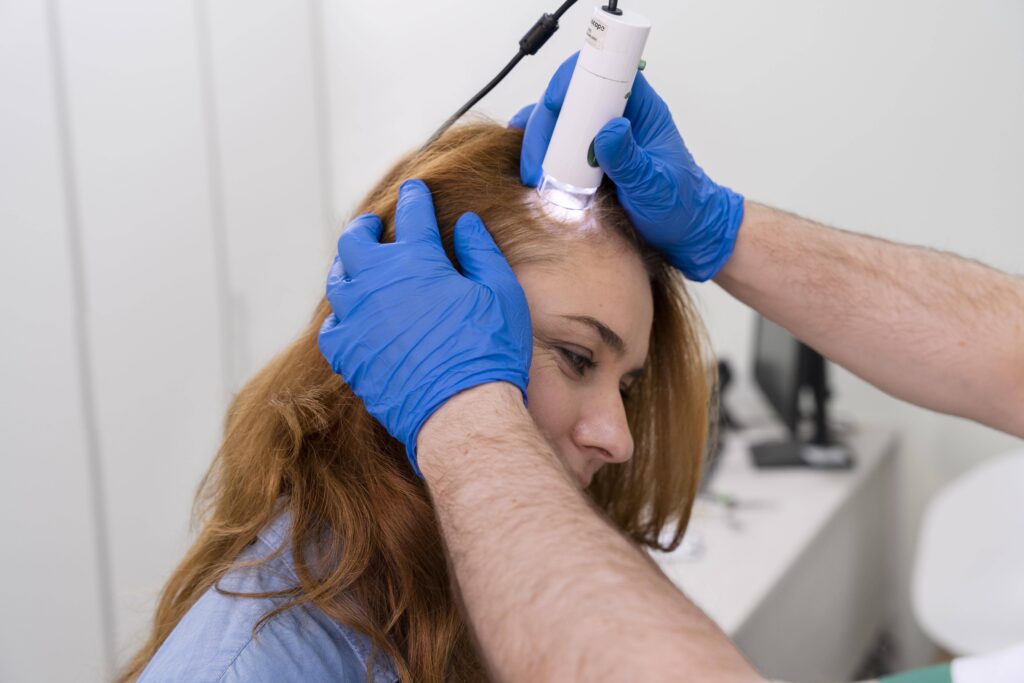
If your hair is falling out fast, in patches, or if it comes with exhaustion, random weight changes, or your cycle’s all over the place—please don’t just wait it out. And if you’ve tried simple changes for months with no shift, that’s another signal to see someone who can run deeper labs and really piece it together.
A good practitioner will look for hidden issues like insulin resistance, nutrient gaps, gut imbalances. Because hair loss is usually a team effort of many causes, not a single villain.
If you want to see how all this ties together with mood and stress, you might like Premenstrual Syndrome PMS Treatment That Feels Human – Real Relief. It shows just how connected everything truly is.
Gentle Starting Steps
If the list feels overwhelming, pick two things. Swap out one plastic container for glass. Add a veggie to lunch. Take a ten-minute walk. Jot down how your cycle feels for a couple of months. That’s enough to start momentum.
Tiny shifts stack up. That’s how real change happens.
The Heart of It
Estrogen dominance hair loss is about balance, not just “too much estrogen.” Sleep, stress, food, fewer chemicals—those really matter. Supplements can help, but the foundation is daily life, lived with a bit of care.
Give it time. Give yourself grace. And remember—you’re not broken. You’re just out of balance, and balance can be restored.
References
- National Institutes of Health: Hormones and Hair
- Cleveland Clinic: Hormone Imbalance
- American Academy of Dermatology: Hair Loss in Women
Disclaimer:
I’m sharing information, not giving medical advice. Please check in with your healthcare provider before making changes, especially if you’re pregnant, breastfeeding, or managing another health condition.
This article contains affiliate links. If you click and make a purchase, we may earn a small commission at no extra cost to you. We only recommend products I genuinely believe may help.