Ons Chrysogelos
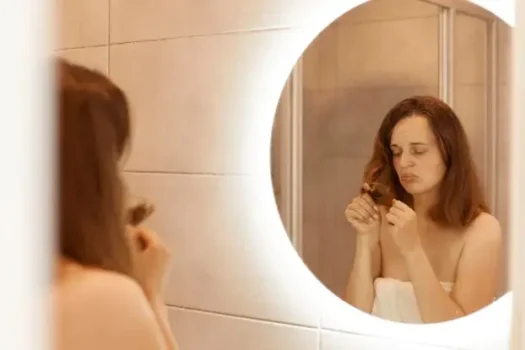
Hair loss after menopause is one of those things nobody really warns you about. You’re already navigating hot flashes, mood swings, sleep that’s gone completely off the rails and then one morning there’s more hair in the shower drain than you’d like. It’s not a one-off thing either. It keeps happening. And yeah, that’s kind of unsettling.
The good news? It makes sense. There are real reasons behind it. And knowing what’s going on is, genuinely, the first step toward feeling less like your body is betraying you.
Why does menopause cause hair loss?
Okay so here’s what’s actually happening inside your scalp. Estrogen and progesterone kind of act like bodyguards for your hair. They keep it in the growing phase longer, which means more of your hair is actively growing at any given time. When those hormones drop – which is the whole point of menopause, your body phasing them out – that protection goes with them.
Hair cycles through phases: growing, resting, shedding. Normally most of it is in the growing phase. But without estrogen doing its thing, more hairs tip into the resting phase earlier. They stop growing. They hang around a bit, then they fall out. And the ones that replace them? Often thinner. Finer. Less… enthusiastic.
And then there’s DHT. That’s an androgen – kind of a male hormone, but women have it too. Estrogen used to balance it out. Without that balance, DHT gets a bit more active, and it can actually shrink hair follicles over time. Smaller follicles, thinner hair. That’s the basic chain of events.
Most women describe it the same way: not sudden, not dramatic. More like a slow fade. The kind where you look back and think, when exactly did this start?
Is hair loss after menopause permanent?
This is the question everyone wants answered first, and honestly – it depends. I know that’s not satisfying, but it’s true.
Here’s the thing though. “Permanent” sounds scarier than it usually is in practice. A dormant follicle isn’t a dead one. Some can absolutely be revived with the right approach. The tricky part is figuring out what approach, because the cause isn’t always purely hormonal.
A lot of women lose hair for multiple reasons at once – hormone shifts, nutritional gaps, thyroid issues that have been quietly off for a while. Stack those together and your hair doesn’t stand much of a chance until you deal with each piece one by one.
Worth knowing: sometimes hair thinning starts way before menopause fully kicks in, during the perimenopause phase when estrogen is already fluctuating. If that sounds familiar, the article on Estrogen Dominance Hair Loss is a really good read – it covers how hormonal imbalance can mess with your hair even before you get the official “you’re in menopause” conversation with your doctor.
What’s the difference between normal shedding and actual hair loss?
You lose hair every day. Like, 50 to 100 strands is totally normal. You probably don’t notice it because it gets replaced. The issue is when the replacement slows down or stops keeping pace with the shedding.
Signs it’s worth taking seriously: hair coming out in what feel like clumps, thinning that’s visible across the top of your scalp, a hairline that’s creeping backward, or hair that snaps off really easily. Those things aren’t just “normal shedding.”
There’s also something called telogen effluvium – which is kind of a mass resting-phase event for your hair. Your body goes through something stressful – illness, surgery, a really brutal few months – and then two to four months later your hair starts falling out noticeably. The timing mismatch makes it really disorienting. You feel better, life has settled, and then your hair decides to process the stress. Backwards and unhelpful, but that’s how it works. The good news is it usually resolves once things stabilise.
Does poor sleep make hair loss worse?
Oh, this one’s frustrating. Because the answer is yes – and menopause is already doing a number on sleep. Night sweats, racing thoughts at 2am, waking up hot and kicking off the duvet and then being freezing ten minutes later. It’s a mess.
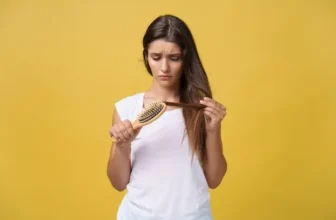
And here’s where I want to bring up my friend – let’s call her M. She rang me one Tuesday morning and the first thing she said was, “I think I’m going bald.” Not dramatic, just genuinely confused. She’d pulled out her brush and stared at it for a moment too long. A lot of hair there. More than usual. And it had been like that for weeks. She’s 53, sharp, healthy, not the kind of person who panics easily. But this got to her. Because nobody warned her it was coming.
Turns out she’d been sleeping maybe four or five broken hours a night for almost a year. Hot flashes waking her up, then scrolling her phone at 3am because she couldn’t fall back asleep. Classic. And while all that was happening, her cortisol – her stress hormone – was climbing. Chronically high cortisol actively pushes hair follicles into the resting phase. It also interferes with the overnight repair work your body is supposed to be doing. So she was losing sleep and her hair was suffering for it. Both at once.
Once she got the sleep sorted – which took time, not overnight – her hair actually started to improve.
If sleep is a disaster for you right now, the piece on Menopause and Insomnia is worth reading. Because fixing sleep isn’t just about energy. It genuinely ripples out into hair, skin, mood, everything.
Best products for menopausal hair loss?
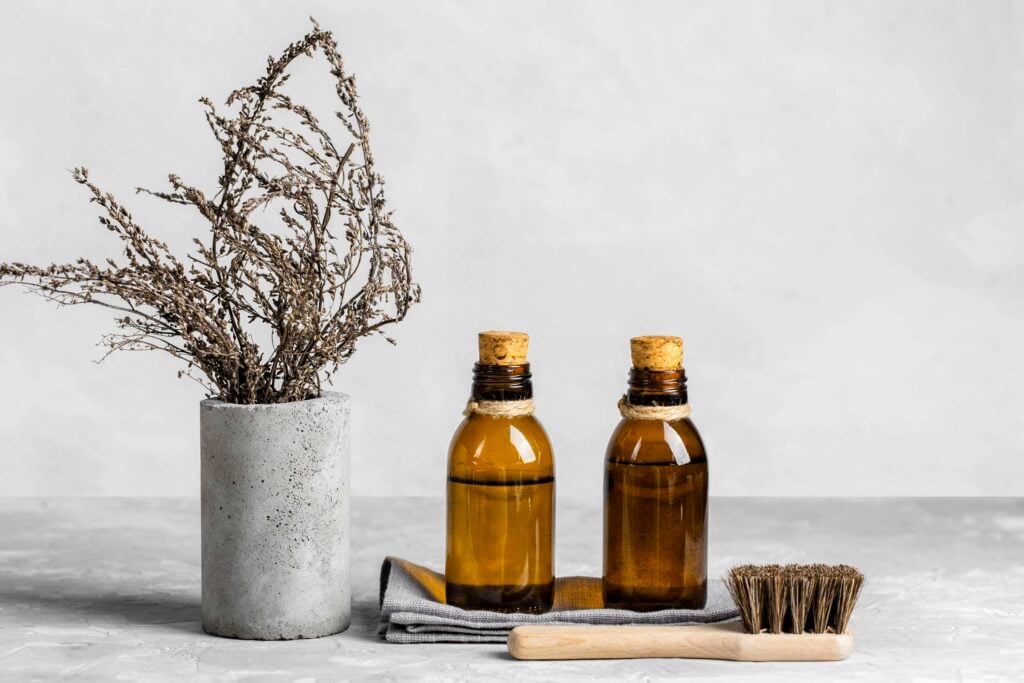
Let’s check the best products for menopausal hair loss
Minoxidil is the most studied option for women. You apply it to the scalp, usually once or twice a day. It’s not glamorous – it can make your hair feel a bit oily at first – but it does work for a real number of women. The catch is you have to keep using it indefinitely, because the regrowth doesn’t stick if you stop.
Hormone replacement therapy can help too, especially if dropping estrogen is the main driver. Some women notice their hair stabilising within a few months of starting HRT. Not everyone experiences that benefit, but it’s a real upside for some.
Nutritionally – protein, iron, ferritin, zinc, vitamin D, biotin – these all matter more than most people realise. You can be eating what feels like a perfectly decent diet and still be short on something your hair really needs. A blood test before buying every supplement on the shelf is worth it. Otherwise you’re just guessing, and expensive guessing at that.
And the stress thing – I’ll say it again because it genuinely matters. Chronic, ongoing stress does slow, quiet damage everywhere. Hair included.
What should I tell my doctor about hair loss after menopause
Be specific. Don’t just say “my hair is thinning” and leave it there, because that’s easy to dismiss. Say: when it started, roughly how much you’re losing, where on your scalp it’s most obvious, whether you’ve had any illness or big stressors recently, and what your diet looks like.
Ask specifically for ferritin to be tested – not just iron. Ask for thyroid function. Ask about hormone levels if nobody’s checked those recently. Push a little if you need to.
And don’t downplay it in the doctor’s office. A lot of women do – they feel like it’s a vanity concern, not a medical one. But hair loss affects how you feel about yourself every single day. That’s not vanity. That’s your quality of life.
Menopause has a way of throwing things at you from all directions at once. Hair loss, random aches, sleep problems, back pain that comes from nowhere – they’re all connected in ways that aren’t always obvious. The article on Back Pain Menopause does a really honest job of showing how much of this traces back to the same hormonal shifts. Worth a read if you’re dealing with more than just the hair stuff
You’re not falling apart. Your body is adjusting to something big. There’s a difference.
References
- American Academy of Dermatology. Hair loss in women. https://www.aad.org/public/diseases/hair-loss/types/female-pattern
- Mayo Clinic. Hair loss – Symptoms and causes. https://www.mayoclinic.org/diseases-conditions/hair-loss/symptoms-causes/syc-20372926
- Cleveland Clinic. Female Pattern Baldness (Androgenetic Alopecia). https://my.clevelandclinic.org/health/diseases/24943-female-pattern-baldness
- National Health Service (NHS). Hair loss. https://www.nhs.uk/conditions/hair-loss/
- Rushton, D.H. (2002). Nutritional factors and hair loss. Clinical and Experimental Dermatology. https://pubmed.ncbi.nlm.nih.gov/12190640/
- Goluch-Koniuszy, Z. (2016). Nutrition of women with hair loss problem during the period of menopause. Menopause Review. https://www.ncbi.nlm.nih.gov/pmc/articles/PMC4828511/
Disclaimer: This article is for general informational purposes only and is not a substitute for professional medical advice, diagnosis, or treatment. Always speak with your doctor or a qualified healthcare provider about your symptoms, medications, and treatment options – especially before starting or changing any supplement or therapy. This article contains affiliate links. If you click and make a purchase, we may earn a small commission at no extra cost to you. We only recommend products we genuinely believe may help.