Ons Chrysogelos

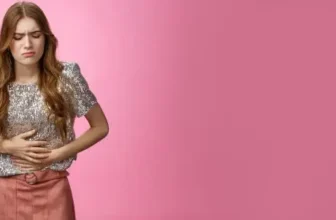
Cramps already suck, but throw in a bloated belly and you’re just about ready to rage-quit your own uterus. If you’re desperate to reduce period bloating symptoms and shrink that balloon belly ASAP (without doing anything wild), here’s the lowdown: real tips, quick wins, and zero nonsense. Oh, and if you’re into the hormone deep dive, check out The Hormone Nest for the science-y stuff.
Why does period bloat even happen?
Short version? Hormones are out here playing ping-pong with your body. Right before and during your period, estrogen and progesterone mess with your fluids and slow down your gut, so food hangs around longer and gas builds up. Prostaglandins (those little devils that make your uterus cramp) also tick off your stomach. Result? You feel squishy, puffy, and super sensitive. Plus, you might find your usual snacks suddenly turn on you (blame FODMAPs for that). The bright side: this mess is temporary, and you can totally tweak it. Before we dive in, you might also find it helpful to explore how hormones shape your entire cycle over at The Hormone Nest: Hormone Imbalance and Breast Pain.
When does period bloating start ?
For a lot of people, it starts in the late luteal phase, meaning a few days before bleeding begins. That’s when progesterone shifts and your digestion can slow down. You might notice you’re hungrier, a bit more constipated, and suddenly your stomach is like, “I hate everything.”
Some people feel it earlier, even around ovulation, but the classic pattern is the days leading up to your period. If you always think, “Why am I bloated and irritable?” and then you check your calendar and it’s 2–4 days before your period… congrats, you’ve met your luteal phase.
How long does period bloating last ?
Most people get bloating one to three days before their period starts, and then maybe the first day or two of bleeding. After that, it often eases as hormones shift again.
If you’re bloated all month, or the symptoms are brutal and mess with your life, it’s worth investigating. IBS, endometriosis, thyroid issues, food intolerances, and other gut stuff can overlap with cycle symptoms. “Normal PMS” shouldn’t feel like your body is falling apart every month.
Extreme bloating before period
Okay, let’s talk about the “I look six months pregnant” version. Extreme bloating before your period is usually a combo of fluid retention plus slower gut motility plus constipation. Sometimes it’s also a food-trigger pileup: more salty snacks, more cravings, less sleep, more stress, more “I’ll deal with it tomorrow.”
The move here is not panic. It’s narrowing variables.
If you’re dealing with constipation, don’t just add a ton of raw fiber and pray. Go warm and easy: cooked meals, more water, magnesium glycinate at night if it suits you, and gentle movement in the morning. Temporarily reduce the biggest gas-makers for you (often sugar alcohols, big raw salads, tons of beans, carbonated drinks). If you can get one good bowel movement happening, half the “extreme” feeling can disappear fast.
If the bloating is painful, sharp, one-sided, or comes with new symptoms that don’t match your usual cycle, don’t just label it PMS and suffer through it. That’s how people miss stuff.
What should I eat to deflate the bloat?
First: potassium is your bestie. Bananas, kiwi, sweet potato, cooked spinach—these help boot out extra sodium and water.
Go for warm, cooked meals instead of those cold, raw salads; easier on your belly. If dairy’s making you gassy, try lactose-free stuff or mild cheeses.
Feeling like everything’s bloating you?

Swap to low-FODMAP foods: sourdough instead of regular bread, strawberries instead of apples, tofu over chickpeas. Ginger and peppermint (tea or tossed in food) can calm your gut, too. Sample day if you want to keep things chill:
-Breakfast—oats with almond milk, banana, chia, cinnamon, and a glob of PB.
-Lunch—sourdough with scrambled eggs, sautéed spinach, and a side of kiwi.
-Dinner—baked salmon, mashed sweet potato, roasted zucchini, and a mug of peppermint tea to top it off. Not bad, right?
What should I skip on my period?
No need to swear off anything forever, but maybe cool it with salty snacks and instant noodles if you’re puffing up like a marshmallow. Fizzy drinks? They can crank up the gas—so maybe not today, Satan. Huge raw salads or broccoli mountains can backfire, so cook ’em if you want their nutrition minus the bloat. Sugar alcohols (the “-itol” crew: xylitol, sorbitol, erythritol) in low-cal stuff? They’re famous for causing gas. Read your labels. As for caffeine, if it turns you into a jittery, crampy mess, maybe swap one coffee for black tea or a matcha.
Do supplements actually help?
Some can reduce the bloating period if you pick right.
-Magnesium glycinate (200–300 mg at night) chills out your muscles and helps you sleep.
-Omega-3s (think 1–2 grams daily) can put the brakes on inflammation.
-Ginger’s a classic—tea or capsule, 250–500 mg, a couple times a day, especially if you’re nauseous. Peppermint oil (the enteric-coated kind) can settle crampy guts, but go easy if you get reflux.
-Vitamin B6 (25–50 mg daily, just before your period) can help with PMS—including the bloat. Obvious disclaimer: if you’re on meds, pregnant, or dealing with other stuff, run it by your doc first.
Can moving around help?
Heck yes. You don’t need to run a marathon, but a quick 20–30 minute walk or easy bike ride gets things moving and chills out your stress hormones. Simple moves like cat-cow, child’s pose, or gentle twists can loosen up your belly and back. Hot tip: lay on a heating pad for ten minutes, then do some gentle yoga. If you’re feeling up for it, a few rounds of squats, glute bridges, or light rows get your circulation going without making things worse. Bottom line: This is all temporary. Take it easy, listen to your body, and don’t be afraid to experiment. You’ve got this.
How do I get rid of water retention fast?
First off, chugging a gallon at once? Not the move. Spread your water out through the day—just keep sipping, don’t go dry for hours and then try to make up for it later. That steady flow helps your kidneys keep flushing out sodium, so you’re not stuck feeling like a water balloon.
Eat more potassium-rich stuff—bananas, avocados, even potatoes if you’re into those. And seriously, ditch the super salty packaged snacks and just add a little sea salt to real food. Oh, and dandelion tea? That stuff works for some people—one cup a day for a couple of days can really get things moving, if you catch my drift. Skip the booze if you can; it messes with your fluid balance and wrecks your sleep too, so basically a lose-lose.
Do probiotics or fiber help?
Yeah, but don’t just grab the first fiber bar you see and expect miracles. If you’re getting constipated before your period, bump up the gentle fibers—think oats, chia seeds, cooked carrots, peeled pears. That, plus more water, is your best bet.
Probiotics? They can help, but you need to pick the right type. Bifidobacterium infantis or B. lactis are decent starting points—give it two to four weeks before you decide if they’re useless or not. And if raw salad turns your stomach into a hot air balloon, swap it out for blended soups or stews. All the fiber, way less drama.
Are there any quick home remedies?
For sure. Peppermint or ginger tea after you eat is a classic to reduce bloating period. Or do a quick belly massage—rub your stomach in a clockwise circle for a couple of minutes. Can get things moving. Epsom salt bath? Super chill and helps with muscle aches too. To let out some gas (yep, we’re going there), pull your knees to your chest or try a forward fold. None of this replaces a healthy diet or exercise, but they do help on those “please just let my pants fit” days.
Should I keep track of symptoms?

Absolutely. It’s not homework, just jot a couple notes on your phone—how bloated you feel, what you ate, if you slept like crap, whatever stress you had, and what made you feel better (or worse). After two or three months, you’ll spot patterns. It’s low-key detective work, and way easier than guessing blind every month.
Are over-the-counter meds worth it?
Sometimes. Simethicone helps with the “trapped gas in a balloon” feeling. NSAIDs (like ibuprofen), taken with food, can cut down inflammation, but don’t go for them if you have any reason not to. Constipated? Try a small dose of magnesium citrate, but don’t overdo it unless you want to accidentally clear your schedule (if you know what I mean).
What’s a realistic daily plan when I feel like a blimp?
Start your day with warm water and maybe a squeeze of lemon if you’re fancy.
Have breakfast with potassium and protein (think eggs plus banana, or oatmeal with yogurt). Take a short walk; movement actually helps.
Lunch: keep it simple. Cooked veggies, some protein, a slice of sourdough, and peppermint tea after. In the afternoon, stretch a bit and check if you’ve actually had enough water.
Dinner, keep things balanced, stretch for five minutes, and maybe take magnesium glycinate before bed to help relax your muscles and help you sleep.
What habits actually help for next month?

Get your fiber up regularly—not just when the bloat hits. Shoot for a solid seven to nine hours of sleep; being tired makes water retention and cravings worse. Squeeze in some strength training a couple times a week.
Stock a little “PMS pantry” with stuff that actually helps: peppermint tea, ginger, oats, bananas, lactose-free yogurt, sourdough, salmon, sweet potatoes. And pick a stress routine you’ll actually do—a ten-minute walk and a couple minutes of box breathing beats any “perfect” plan you never start.
When should I go see a doctor?
If you’re super bloated all the time, or it’s got nothing to do with your cycle, get checked out. Big red flags: unexplained weight loss, blood in your poop, puking that won’t quit, fever, or pain that’s not normal for you. If things drag on for weeks or you’ve got a family history of GI stuff or celiac, don’t wait—go get some real answers.
For even more tips on cycle-friendly habits and hormone nutrition, check out The Hormone Nest’s second article and start building your own toolkit. No more winging it every month.
References
Biesiekierski JR. What is gluten? J Gastroenterol Hepatol. 2017. https://doi.org/10.1111/jgh.13703
Rao SSC et al. Low-FODMAP diet for IBS. Gastroenterology. 2022. https://doi.org/10.1053/j.gastro.2022.01.017
Tso R et al. Ginger for GI symptoms. Nutrients. 2021. https://doi.org/10.3390/nu13072218
van Driel ML et al. Vitamin B6 for PMS. Cochrane Review. 2009. https://doi.org/10.1002/14651858.CD001792.pub2
National Institutes of Health Office of Dietary Supplements (Magnesium, Omega-3) https://ods.od.nih.gov/
Disclaimer:
This content is for informational purposes only and is not a substitute for personalized medical advice, diagnosis, or treatment. Always consult your healthcare provider for guidance tailored to you.