Ons Chrysogelos
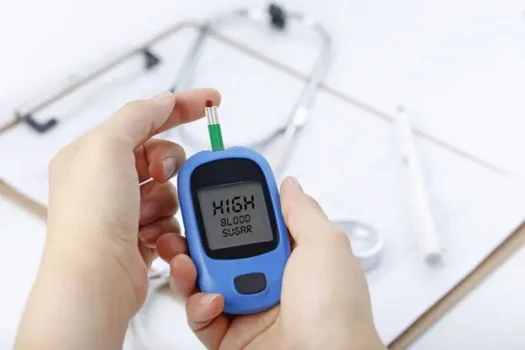
So you’ve been told you have insulin resistance or maybe you Googled your symptoms at 2am and landed here half-convinced. Either way, you want to know how to cure insulin resistance, and you want actual answers. Not a wall of medical jargon. Not five vague tips followed by “consult your doctor.” Real stuff.
Let’s get into it.
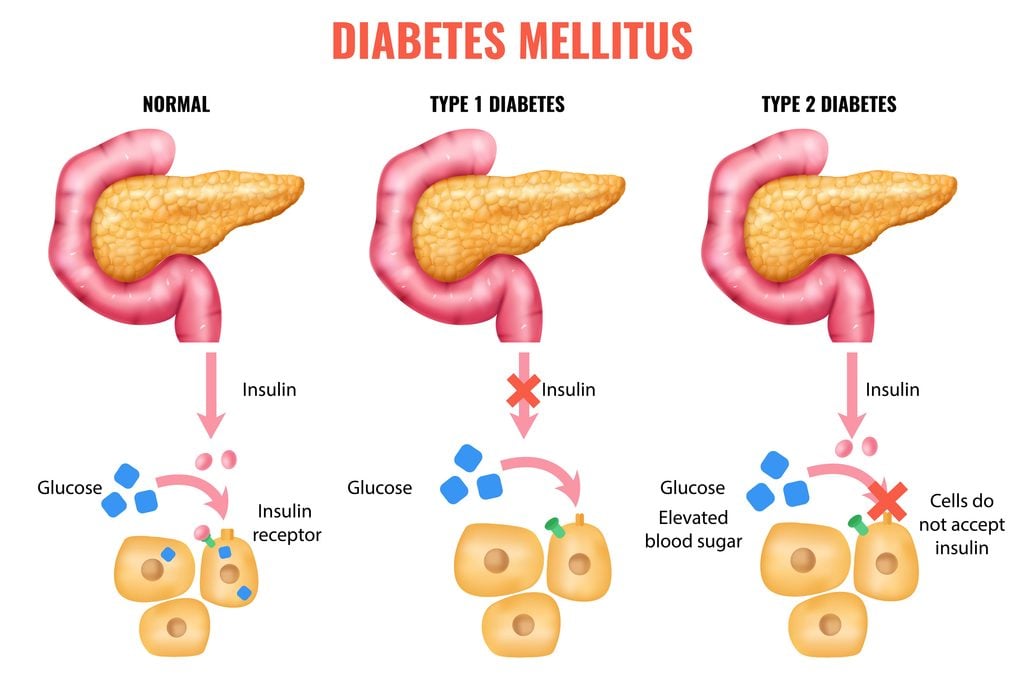
Here’s the super unsexy truth nobody leads with: insulin resistance is basically your cells throwing a tantrum. Insulin knocks, they don’t answer. Your pancreas goes “fine, I’ll knock louder” and pumps out more. And more. Until eventually, the whole system gets exhausted. That’s the short version.
And if you’ve been feeling tired after meals, craving sugar like it’s your actual job, or gaining weight in your belly no matter what you eat – yeah. This might explain a lot.
(If PCOS is also part of your situation, do yourself a favor and read this piece on PCOS treatment for fertility: What really works – insulin resistance and PCOS are tangled up in ways most people don’t realize until way too late.)
Signs of Insulin Resistance in Women
Okay so this is where I want to slow down, because the number of women walking around with this and zero clue? It’s a lot.
The signs aren’t always loud. They’re kind of… quietly annoying. The sort of stuff you chalk up to stress, or aging, or just “that’s how I am.”
Energy crashes after meals – especially carb-heavy ones – are probably the biggest one. You eat lunch and suddenly you need a nap at your desk. That is not normal, even though it’s incredibly common. Your blood sugar just spiked hard and then fell off a cliff.
Then there’s the brain fog. The kind where you’re mid-sentence and genuinely cannot remember the word you wanted. The relentless sugar cravings that feel almost frantic – like your body is screaming for something even when you just ate. Weight that camps out around your belly and absolutely refuses to move regardless of what you try. Skin darkening in folds – neck, armpits, under the breasts – that velvety dark patch thing that sounds alarming but is basically your skin waving a flag.
And in women specifically, there’s often the hormonal chaos layer on top. Irregular periods. Acne – especially the jawline kind that won’t quit. Sometimes extra hair in places you don’t want it. In my experience, the women who get diagnosed have usually been dealing with these symptoms for years before anyone connected the dots. Which is honestly kind of maddening.
If hormonal imbalance is messing with your skin on top of everything else, this deep dive into hormonal imbalance acne is worth a read – blood sugar is in there more than you’d think.
Can Insulin Resistance Be Reversed?
Yes. Full stop, yes.
Now, is it fast? Not always. Is it a quick detox-tea situation? Absolutely not – and please don’t buy that tea. But can your body genuinely heal from this? Yes, it can.
The cells that are currently ignoring insulin aren’t broken forever. They’re just kind of… overwhelmed. Or stubborn. And that’s actually good news – because learning how to cure insulin resistance is really about giving those cells the right conditions to start listening again
What does “reversed” actually mean though? That’s where it gets more nuanced. For some women, it means their blood markers normalize completely and they feel genuinely better within a few months. For others – especially if there’s PCOS, a thyroid issue, or years of unmanaged stress – it takes longer and might need more support. Some people use medication like metformin in the process. That’s not failing at the “natural” route. That’s being smart about your health.
And reversing it doesn’t mean you just get to go back to doing whatever caused it in the first place. Maintenance is part of the deal. Your cells have a memory. Keep that in mind.
How to Cure Insulin Resistance: The Fastest Ways That actually work
I know everyone wants this to be a supplement or a specific food. It’s not. But the real answer isn’t as complicated as the internet makes it seem.
The combination that consistently moves the needle fastest? Cut the blood sugar spikes, add resistance training, and actually sleep. That’s kind of it.
On food. You don’t need to go zero-carb. I’ll say it again for the people in the back: you do not need to eliminate carbohydrates. What you do need to do is stop the constant spike-and-crash cycle. So that means the white bread, the sugary drinks, the ultra-processed stuff, the fruit juice situation – those are the things your blood sugar doesn’t need. And yes, “but it’s natural!” doesn’t apply to juice. Sorry.
What does help? Protein at every meal – like, actually prioritize it, not an afterthought. Fiber from vegetables and legumes and whole grains. Healthy fats that slow things down. Eating in a way that keeps your energy steady rather than chasing peaks. Simple concept, takes real practice.
On movement – specifically lifting things. Here’s where it gets kind of cool, actually. Resistance training – weights, bodyweight exercises, resistance bands – pulls glucose into your muscle cells through a completely different pathway. It doesn’t need insulin to do it. So you’re kind of… working around the broken door instead of waiting for it to open. Even three sessions a week of 20-30 minutes makes a measurable difference. It’s not about becoming a gym person. It’s about using your muscles as a metabolic tool.
On sleep. This one drives me a little crazy because it’s so underestimated. A single night of poor sleep temporarily tanks your insulin sensitivity. Chronically bad sleep keeps your body in a state of low-grade metabolic chaos. If you’re doing everything else right but sleeping terribly, you’re paddling against the current.
And stress. Cortisol – your stress hormone – actively interferes with how your cells respond to insulin. So if you’re constantly in that overwhelmed, running-on-fumes state (which honestly, who isn’t), it’s working against everything else you’re doing. You don’t have to meditate for an hour. But you do have to stop treating rest like something you earn.
Does Intermittent Fasting Help?
For some people, genuinely yes. For others, it makes things worse. And the difference usually comes down to what’s already going on with your stress levels and cortisol.
Fasting gives your blood sugar a real break between meals, which can help insulin sensitivity over time. But if you’re already running on cortisol overdrive – stressed, under-slept, undereating and then binging – adding a long fasting window is kind of throwing gas on a fire. It can spike cortisol further and actually worsen insulin response.
In my experience, the women who do best with fasting are the ones who have their sleep and stress basically managed first. Otherwise, start with just eating regular balanced meals and go from there.
What is the fastest way to cure insulin resistance?
Most people who make real, consistent changes start to feel different within 4-8 weeks. Not cured. Not fixed. But noticeably better – fewer crashes, less frantic cravings, more stable energy.
Blood markers can start shifting within weeks. But meaningful, lasting reversal usually takes a few months. And then – this is the part people skip over – you have to keep going. Not forever in some exhausting way. But the habits that reversed it are also the habits that keep it reversed. That part’s not negotiable.
Supplements to Reverse Insulin Resistance
Okay, let’s talk supplements. Because this is the part where the internet goes a little unhinged, right? Suddenly everyone’s selling you a magic capsule that’ll “reset your metabolism in 30 days.” Hard pass.
But – and this is a real but – some supplements do have actual research behind them. They’re not replacements for the food and movement stuff. Think of them more like… a support crew. Not the main act.
Berberine is probably the most talked-about one in the insulin resistance world, and honestly, for good reason. It works on some of the same pathways as metformin – improving how your cells respond to insulin and helping lower fasting blood sugar. The research is surprisingly solid for a supplement. That said, it can interact with medications, so don’t just quietly start taking it without mentioning it to your doctor.
Magnesium is another one worth knowing about. A lot of people are low in it without realizing, and low magnesium is consistently linked to worse insulin sensitivity. It’s one of those quiet deficiencies that messes with a lot of things at once – sleep, stress response, blood sugar regulation. Getting your levels checked is easy and genuinely useful.
Inositol – specifically myo-inositol – has good evidence particularly for women with PCOS and insulin resistance. It’s kind of like a messenger that helps insulin actually do its job inside the cell. Some women notice real differences in their cycle regularity and cravings within a couple of months.
Alpha-lipoic acid is another one that comes up in research – it’s an antioxidant that seems to improve glucose uptake and reduce oxidative stress. Not as widely known but worth mentioning.
Omega-3 fatty acids (fish oil, basically) help reduce inflammation, which is kind of the background noise that makes insulin resistance worse over time. Not a direct fix, but part of calming the whole system down.
And then there’s vitamin D. If you’re deficient – which a lot of women are, especially if you live somewhere cloudy or spend most of your time indoors – correcting that deficiency can genuinely improve insulin sensitivity. Get your levels tested before supplementing, though. More isn’t always better.
One thing I’ll say from experience: the supplement stuff works best when the foundations are already in place. If your diet is still mostly processed food and you’re sleeping five hours a night, no amount of berberine is going to fix that. But if you’re doing the work and want to add some extra support? These are the ones actually worth considering.
What Happens If You Just… Don’t Deal With It?
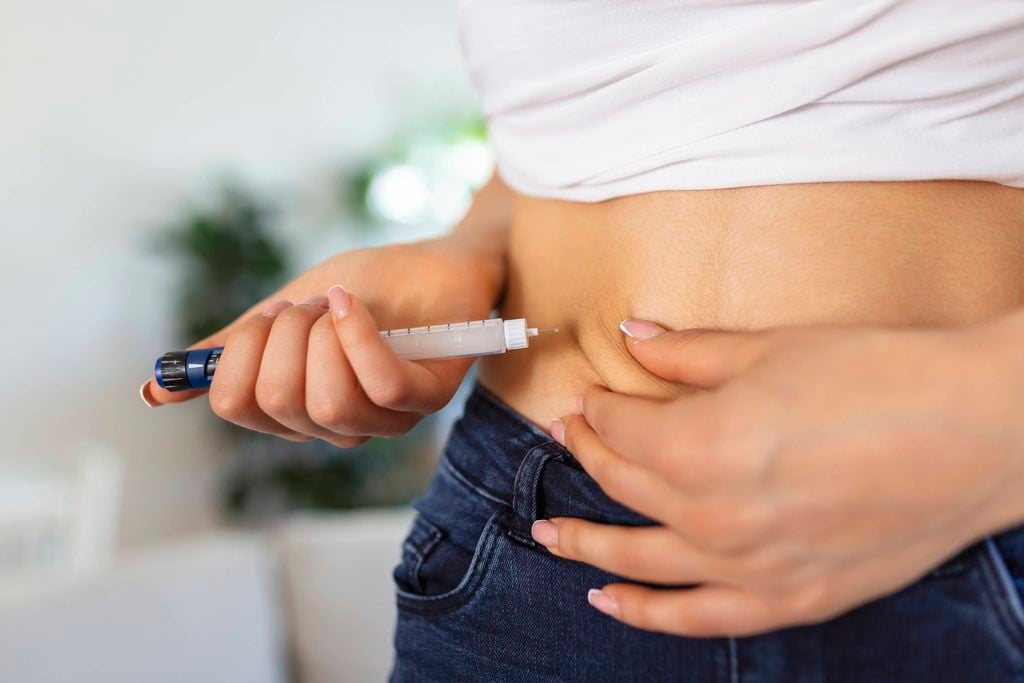
It’s kind of like ignoring a slow leak. You can get away with it for a while. And then you can’t.
Untreated insulin resistance tends to progress toward prediabetes and eventually type 2 diabetes. It raises cardiovascular risk. It contributes to fatty liver. It worsens hormonal imbalances across the board – so if you have PCOS, or if you’re in perimenopause, it piles onto an already complicated picture.
And for a lot of women, it also shows up in unexpected places – pain, fatigue, mood stuff. If you’re noticing a pattern of symptoms that feel hormonal and systemic, this breakdown of hormonal imbalance and back pain is actually a good example of how one imbalance ripples through everything.
The Bottom Line
You don’t have to fix everything overnight. Start with food – real food, steady meals, not a restrictive diet that makes you miserable. Add some movement, even just walks to start. Protect your sleep. And bring your symptoms to a doctor who will actually run a proper panel – fasting insulin, not just glucose.
Insulin resistance is real. But it’s also one of the most genuinely reversible things you can catch. And understanding what’s happening in your body? That’s already half the battle.
References
- National Institute of Diabetes and Digestive and Kidney Diseases – Insulin Resistance & Prediabetes: https://www.niddk.nih.gov/health-information/diabetes/overview/what-is-diabetes/prediabetes-insulin-resistance
- Healthline – How to Reverse Insulin Resistance: https://www.healthline.com/nutrition/insulin-and-insulin-resistance
- PubMed – Exercise and insulin sensitivity: a review: https://pubmed.ncbi.nlm.nih.gov/10683091/
- American Diabetes Association – Standards of Medical Care in Diabetes: https://diabetesjournals.org/care/issue/47/Supplement_1
Disclaimer: This article is for informational and educational purposes only. It is not medical advice and does not replace professional diagnosis or treatment. Always talk to a qualified healthcare provider before making changes to your diet, supplements, medication, or treatment plan – especially if you have a diagnosed health condition.