Ons Chrysogelos
If you’re thinking “I need to get pregnant this month” – like, this month, not eventually, not soon-ish, but now – you’re not alone. A lot of women get to a point where the casual “we’ll see what happens” approach just isn’t cutting it anymore. Maybe it’s age. Maybe it’s timing. Maybe it’s just that you’ve decided and you’re ready actually to do something about it. That’s completely valid. And honestly, there’s more you can do than most people realize.
This isn’t about magic tricks or those weird TikTok hacks where someone drinks pineapple juice upside down. It’s about giving your body the best shot possible, right now.
I remember talking to a friend who spent six months “trying” without really knowing what she was doing timing-wise. She didn’t know when she was actually ovulating. She thought sex every other day, any day of the month, was kind of enough. It wasn’t. Once she figured out her actual fertile window, it took her about two months. That’s how much information matters here.
Before we dive in, if you have PCOS or any cycle irregularities, go read our piece on PCOS treatment for fertility: What really works – it’s genuinely helpful context for everything we’re covering below.
How to Prepare for Pregnancy Before You Even Start Trying
Okay, so here’s the thing – most people don’t think about pregnancy prep until they’re already trying. But if you’ve got even a few weeks before you start, there are some basics worth doing.
First, folate. Not folic acid necessarily – folate, or the methylated version called methylfolate, especially if you have the MTHFR gene variant (which a lot of people don’t know they have). You want this in your system before conception, not after. Neural tube development happens super early – before most people even know they’re pregnant.
Get some basic bloodwork done if you can. Check your thyroid, your vitamin D, your iron. These things matter more than people give them credit for. Low vitamin D is incredibly common, and it’s quietly connected to fertility and early pregnancy health. What to do before getting pregnant includes understanding what’s actually going on in your body first.
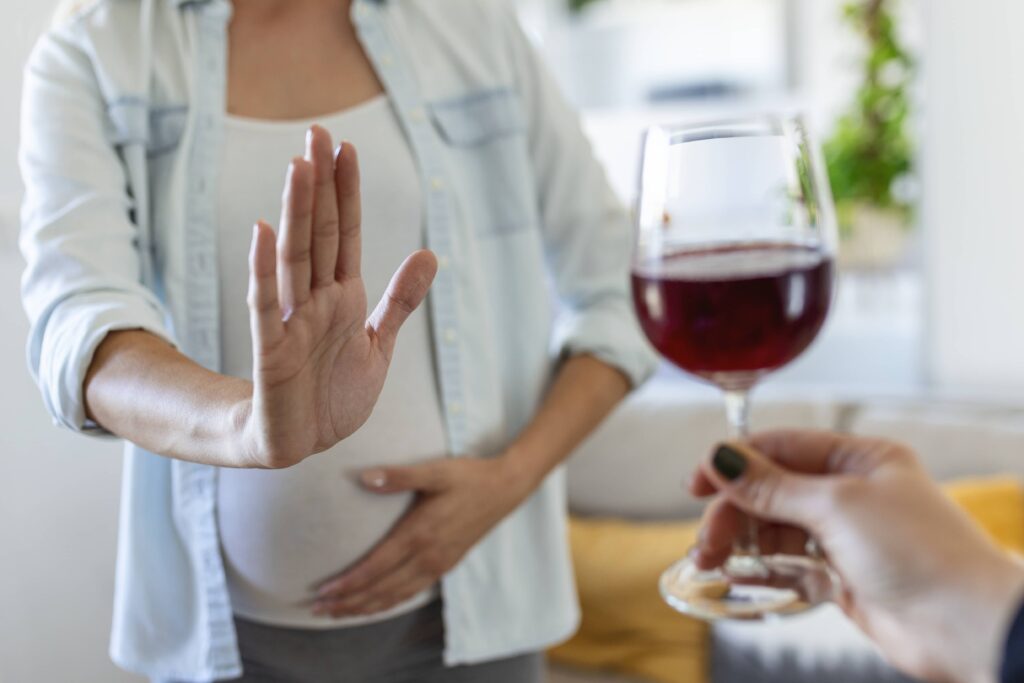
Cut back on alcohol. And before you roll your eyes – yes, even moderate drinking can affect egg quality and hormone balance. You don’t have to become a saint overnight, but scaling back is one of those things to know before getting pregnant that actually moves the needle.
And prenatal vitamins – just start. It’s one of the lowest-effort things you can do in terms of pregnancy prep, and it covers a lot of your bases while you figure out the rest.
I Need to Get Pregnant This Month Naturally – Timing Is Everything
This is where most people get tripped up. Timing. The fertile window is genuinely narrow – about 5 to 6 days per cycle, with the 2 days before ovulation and the day of being the most important. If you miss that window, you’re waiting another month. That’s it. That’s the whole game.
How to prepare your body for pregnancy is one thing. But knowing when to try? That’s a different skill entirely.
Ovulation tests are your friend here. Not expensive, not complicated, and way more accurate than calendar apps alone. Combine them with basal body temperature tracking if you want to get serious about it. Some apps do both. LH surge means ovulation is about 12-36 hours away – that’s your moment.
In my experience, a lot of couples time things perfectly for months without realizing they’re off by a day or two each time. One day matters. Truly.
What Can I Drink to Get Pregnant Faster Naturally?
Alright, let’s talk about this because it comes up constantly. What can I drink to get pregnant fast? The honest answer is – nothing magical. But some things do support your hormone health and fertility environment in real, measurable ways.
Water, obviously. Being dehydrated affects cervical mucus quality, which matters more than people think for sperm getting where it needs to go.
Raspberry leaf tea is often mentioned in fertility circles. The evidence is anecdotal, but the theory is that it tones the uterine lining. Worth trying. Probably won’t hurt anything.
Green smoothies with leafy greens – spinach, kale – bring in folate and iron in a natural form. Your body absorbs these differently than supplements. Not a replacement, but a good addition.
What can I take to get pregnant fast in terms of supplements? Coenzyme Q10 is one of the more researched ones for egg quality. Myo-inositol if insulin resistance is a concern. And omega-3s are just generally good for hormone function.
What to avoid drinking is kind of just as important. Alcohol, obviously. Excessive caffeine – keep it under 200mg a day if you can. And those sugary energy drinks that spike your blood sugar and mess with your hormones? Yeah, skip those entirely.
Tips for Getting Pregnant at 30-35
Tips for getting pregnant 30 to 35 look a little different than they did in your 20s – and that’s not doom, that’s just biology.
Egg quality becomes more relevant. Not egg quantity exactly, but quality. CoQ10, as mentioned, is one of the more studied supplements for this. So is cutting down on inflammatory foods – processed stuff, too much sugar, the usual suspects.
Stress management isn’t fluff at this age. Cortisol genuinely suppresses progesterone and can mess with your luteal phase. Things like acupuncture, regular sleep, and actually taking breaks are not just “nice to have.” They’re kind of functional at this point.
And if you’re in the 30-35 bracket and you’ve been trying for 6 months without success – see someone. You don’t have to wait a full year. Six months is a reasonable threshold to start asking questions, especially if you have any history of cycle irregularities.
Speaking of hormonal effects throughout the body – if you want to understand how interconnected all of this is, the piece on Hormonal Imbalance and Back Pain: The Surprising Connection is actually a good read for seeing how far hormonal disruption reaches beyond just reproduction.
How to Get Pregnant with Twins
Okay, I know you want to know. How to get pregnant with twins – the natural way.
The honest answer? It’s mostly genetics. Fraternal twins happen when two eggs are released during one cycle, and that’s largely determined by family history and age. Women over 35 are actually slightly more likely to release multiple eggs per cycle (one of the rare biological upsides of getting a little older, honestly).
Dairy consumption has been floated in some research as a minor factor – something about IGF-1 in full-fat dairy products stimulating ovarian activity. It’s not wildly convincing evidence, but it’s out there.
Beyond that? Naturally increasing your chances of twins isn’t something you have a ton of control over. What does raise twin odds significantly is fertility treatments – like IVF or ovulation stimulation drugs – but that’s a whole different conversation to have with your doctor.
What to Do Before Trying to Get Pregnant: The Basics No One Tells You
Things to do before pregnancy that honestly get overlooked: check your dental health. Gum inflammation has been linked to pregnancy complications. Nobody tells you this. Your dentist probably won’t either unless you ask.
Review any medications you’re currently taking with your doctor. Some common ones – like certain antidepressants, NSAIDs, even antihistamines – can affect fertility or aren’t recommended in early pregnancy. Don’t just stop anything on your own, but have the conversation.
And get a preconception checkup. Ask your OB or GP specifically. It’s different from a regular checkup and it covers things to know before getting pregnant that routine appointments don’t.
Can Watching a “How to Get Pregnant” Video Actually Help?
Kind of, yeah. How to get pregnant video content – especially from legitimate medical sources – can be surprisingly useful for understanding cycle mechanics, ovulation signs, and timing. It’s not embarrassing to learn from visual content. A lot of people are genuinely confused about how the fertile window works, and a five-minute animated video can click things into place faster than reading about it.
Just be careful about sources. Fertility misinformation is rampant online. Stick to content from reproductive endocrinologists, certified midwives, or trusted platforms.
FAQs
How do I know if I’m actually ovulating?
The most reliable combo is LH test strips plus basal body temperature tracking. Cervical mucus changes (clear, stretchy, like egg whites) are also a solid sign. If your cycles are irregular, see a doctor – you may not be ovulating every month.
What to know before getting pregnant that most people miss?
Your cycle health is the real foundation. Irregular periods, very light periods, or spotting between cycles are all worth investigating before you start trying. These things can quietly affect fertility.
Is there anything that can actually speed up conception?
Accurate timing is the biggest factor. Everything else – diet, supplements, sleep – supports it but doesn’t replace it. You literally cannot get pregnant outside the fertile window, no matter what you eat.
If any of this brought up questions about early pregnancy and hormones, go check out our article on How to Avoid Miscarriage with PCOS? – it covers a lot of the hormonal groundwork that matters once you do get a positive test.
The bottom line is this: “I need to get pregnant this month naturally” is not a unrealistic goal. But it requires knowing your body, timing things right, and building a solid foundation beforehand. You’ve got this.
References
- Gaskins, A.J., & Chavarro, J.E. “Diet and fertility: A review.” American Journal of Obstetrics and Gynecology. 2018. https://pubmed.ncbi.nlm.nih.gov/28844822/
- Gormack, A.A., et al. “Many women undergoing fertility treatment make poor lifestyle choices that may affect treatment outcome.” Human Reproduction. 2015. https://academic.oup.com/humrep/article/30/7/1617/590800
- Practice Committee of the American Society for Reproductive Medicine. “Optimizing natural fertility: a committee opinion” 2021. https://www.asrm.org/practice-guidance/practice-committee-documents/optimizing-natural-fertility-a-committee-opinion-2021/
- Wilcox, A.J., et al. “Timing of sexual intercourse in relation to ovulation.” New England Journal of Medicine. 1995. https://www.nejm.org/doi/full/10.1056/NEJM199512073332301
- Chavarro, J.E., Rich-Edwards, J.W., Rosner, B., Willett, W.C. “A prospective study of dairy foods intake and anovulatory infertility.” Human Reproduction. 2007. https://pubmed.ncbi.nlm.nih.gov/17329264/
Disclaimer: This article is for informational and educational purposes only and does not constitute medical advice. It is not a substitute for professional guidance from your OB-GYN, reproductive endocrinologist, or healthcare provider. If you have concerns about fertility or pre-pregnancy health, please consult a qualified medical professional before making any changes to your diet, supplementation, or lifestyle.