Ons Chrysogelos
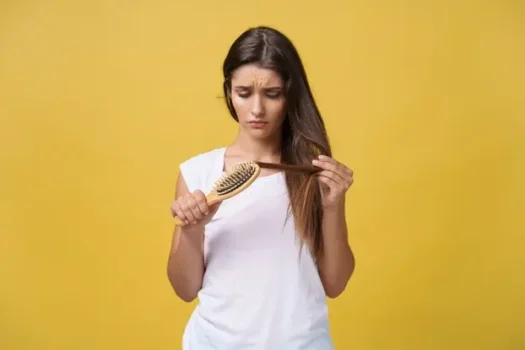
Supplements for hair loss in females is one of those topics that keeps going in circles. A new product launches, someone goes viral on TikTok swearing by a gummy vitamin, and suddenly everyone’s panic-buying the same bottle. And look – some supplements genuinely do something useful. Others are just expensive hope in pretty packaging. So let’s cut through it and actually talk about what’s worth trying and what isn’t.
Before we get into specific nutrients though, it’s worth understanding that sometimes hair loss in women isn’t just a nutrition thing. Hormones play a huge role. If you’ve ever dealt with estrogen dominance, you already know how much that can mess with your hair – and this deep-dive on estrogen dominance hair loss is honestly a great starting point if you think hormones might be the underlying issue.
What Are the Causes of Female Hair Loss?
Okay so the causes of female hair loss are actually more varied than most people expect. It’s rarely just one thing. The most common culprit is androgenetic alopecia – kind of a fancy term for genetic hair thinning. But then you’ve also got hormonal shifts, nutritional deficiencies, thyroid problems, chronic stress, postpartum shedding, scalp conditions, and even certain medications. Stack two or three of those together and your hair kind of doesn’t stand a chance until you address each piece.
Female pattern baldness in your 20s is more common than people talk about, and it tends to be dismissed a lot – by doctors, even by family. It’s not vanity. It genuinely affects your confidence every single morning. And if you’ve been noticing hair thinning at your female temples or hair thinning at the crown female section, that’s often the first visible sign something’s off – not a reason to panic, but definitely a reason to pay attention.
What Vitamins Are Good for Hair Growth?
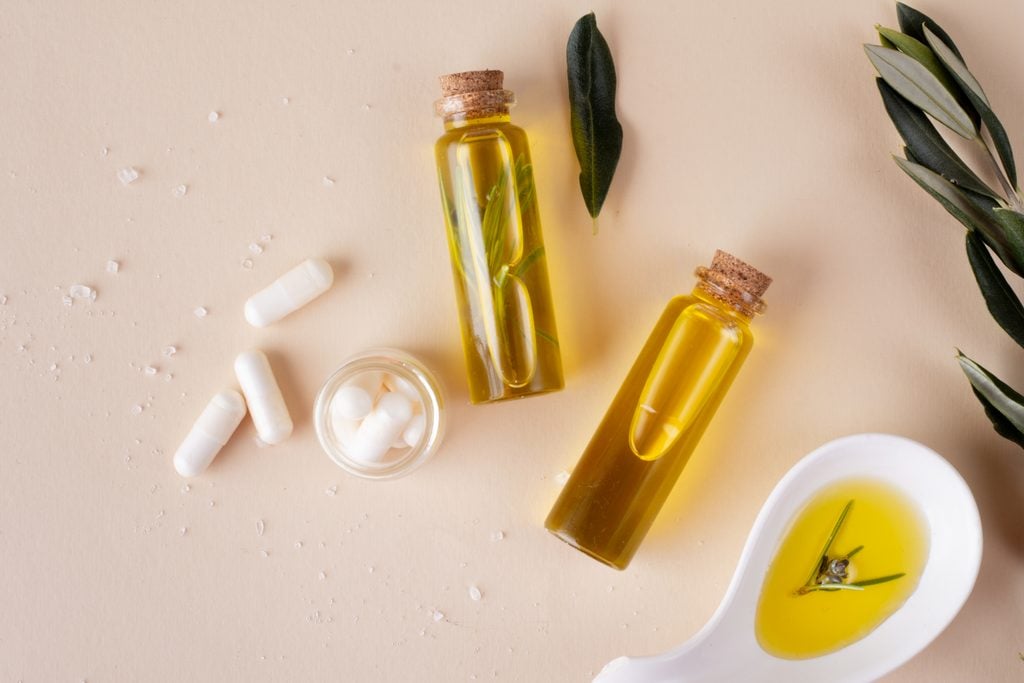
This is probably the question I get asked most often. And the answer is: it depends on what you’re actually deficient in. But in my experience, the nutrients that come up most consistently in the research are iron (specifically ferritin), vitamin D, zinc, and B vitamins. If your ferritin is low – and it often is, especially for women who menstruate – your hair will tell you before a blood test does. Dull, shedding, thin at the ends. It’s a very specific kind of tired-looking hair.
Vitamin D deficiency is almost laughably common too. Like, a significant chunk of people reading this are probably low and don’t know it. Which vitamin is good for hair growth fast? Honestly, fixing a vitamin D deficiency can make a noticeable difference within a few months. Same with iron. They’re not glamorous supplements but they’re genuinely among the 5 best vitamins for hair growth – alongside zinc, vitamin E for hair fall control, and biotin.
Vitamin E for hair fall control doesn’t get talked about enough either. It’s an antioxidant that helps reduce oxidative stress on the scalp. Not a miracle, but a solid supporting player.
Biotin for Thinning Hair – Is It All Hype?
Biotin is everywhere. It’s in every hair growth formula, every hair fall tablet you’ve ever seen, every “best hair supplements UK” list. And yes, biotin for thinning hair does have some real evidence behind it – particularly if you’re actually deficient. The thing is, most people in developed countries aren’t actually biotin deficient. So dumping extra biotin into your system when you already have enough isn’t necessarily going to do much.
That said, biotin and keratin for hair growth together is a combination that’s shown more promise than biotin alone. Keratin is literally what your hair is made of. And for people dealing with biotin for alopecia – particularly in cases of alopecia related to nutritional deficiency – there’s some decent evidence it helps.
My honest take? Don’t skip biotin, but don’t make it your only strategy either.
Good Supplements for Hair Loss – What to Actually Look For
If you’re trying to figure out which tablet to stop hair loss is actually worth buying – or whether those endless ads are just noise – let me break it down simply. There are a handful of brands that keep coming up consistently in both dermatologist recommendations and real user reviews. And they’re popular for a reason.
Nutrafol is probably the most talked-about one right now, and honestly – the hype is kind of earned. It’s formulated specifically for women (they have different versions for under 45 and over 45, plus a postpartum option), and it targets multiple causes of thinning at once – DHT, stress hormones, nutritional gaps, all of it. Dermatologists love it. One clinical study found that nearly 80% of premenopausal women saw noticeable improvement after six months. The downside? It’s pricey, and you take four capsules a day, which some people find annoying. But if you can commit to it consistently, the evidence is there.
Viviscal is another one that’s been around long enough to have decades of clinical research behind it – not just marketing fluff. It contains a marine protein complex alongside zinc, vitamin C, and biotin. In my experience, women dealing with iron-related thinning tend to respond really well to it. The only catch: it contains fish and shellfish, so if you have a seafood allergy, skip it.
Happy Head is a solid middle-ground pick if budget is a concern. Same key ingredients as the bigger names – biotin, collagen, vitamin D3, selenium – but at a lower price per capsule. They also pair supplements with prescription options if you end up needing something stronger, which is useful.
And then there’s Hers – part of the Hims & Hers family. They do both over-the-counter and prescription solutions, which makes them flexible depending on how severe things are. Their shampoos and topical serums have gotten strong reviews for hair thinning at the crown female area specifically.
For pure biotin supplementation, Nature’s Bounty Biotin is basically the no-frills, affordable choice that actually delivers the dose doctors recommend – 5,000 mcg, one softgel a day. Nothing fancy about it, but if biotin deficiency is the issue, it does what it says.
The best vitamins for skin and hair tend to overlap quite a bit across all these brands – vitamin C, E, biotin, zinc, collagen. Because your skin and hair honestly need the same things. And the androgenic alopecia diet angle is real too. Cutting out highly processed foods, eating enough protein, getting plenty of leafy greens and seeds – it sounds boring but it does support the environment your follicles are trying to grow in. It’s not a quick fix, but neither is doing nothing.
And essential oils for thinning hair – specifically rosemary oil – actually have some legitimate research behind them now. Applied to the scalp a few times a week, rosemary oil has shown effects comparable to minoxidil in some small studies. That’s genuinely surprising. Worth trying if you want something low-risk and natural remedies for thinning hair female are more your speed.
Now, a quick note on supplements for hair loss in males – male pattern baldness treatments are usually centred around DHT blockers like finasteride, and those aren’t typically recommended for women (and definitely not during pregnancy). So if you’re reading forum threads or hair loss supplements reddit posts and the advice is heavily male-focused, just know that a lot of it doesn’t translate directly.
Hair Thinning at Female Temples and the Crown – Why There?
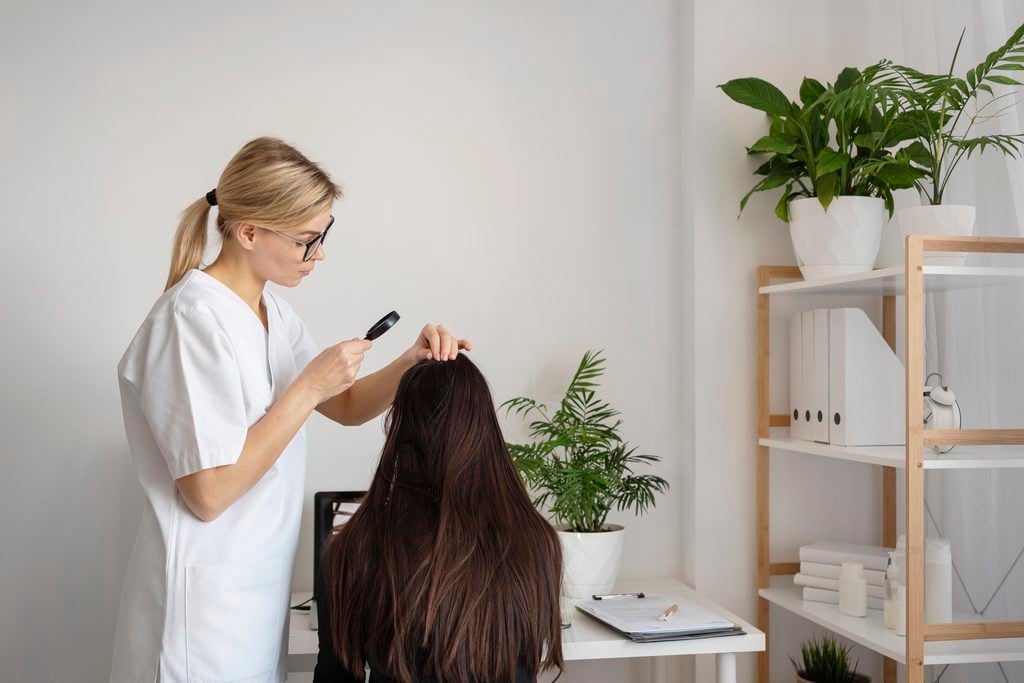
These two spots – the temples and the crown – are where female pattern hair loss tends to show up first. If you’ve looked up female pattern baldness pictures or female pattern baldness in 20s specifically, you’ve probably seen it described as a widening centre part or a general thinning across the top, rather than a receding hairline the way it happens in men. Female pattern hair loss reversible – the answer, kind of frustratingly, is: sometimes yes. Especially if caught early and addressed properly.
And female pattern hair loss success stories do exist. They’re not flukes. They usually involve a combination of fixing nutritional gaps, sometimes using minoxidil, addressing hormones, and being really consistent over a period of months – not weeks.
There’s also the hair growth after 50 question, and how to grow hair after 40 when things are already shifting hormonally. Growing long hair after 50 is genuinely possible but it does require more attention to scalp health, protein intake, and possibly looking at what your hormones are doing. The piece on hair loss after menopause covers this really well – it’s worth reading if you’re in that phase of life and noticing more shedding than usual.
How to Reverse Hair Loss – Realistic Expectations
Do supplements help hair growth? Yes – when the deficiency is actually there. That’s the key part people skip. You can take every hair gain supplement on the market and still see minimal results if the root cause is something else entirely – like a thyroid issue, chronic stress, or too little protein.
Hair thinning shampoos are another piece of the puzzle. They’re not going to fix the problem on their own but a good scalp-stimulating shampoo can support circulation and reduce inflammation around the follicle, which helps create a better environment for growth. For female hair loss treatment shampoo specifically, Nutrafol’s Root Purifier Scalp Shampoo and Happy Head’s Hair Thickening Shampoo have both consistently shown up in dermatologist-recommended lists. Neither one is a standalone fix – but combined with oral supplements and a decent diet, they create a better scalp environment for growth to happen. Female hair loss treatment shampoo combined with the right oral supplements is generally more effective than either one alone.
And then there are female hair loss treatment home remedies worth trying – scalp massage (seriously, this one has actual evidence), rosemary oil, eating enough eggs and lentils, keeping stress in check. None of it is a replacement for addressing real deficiencies, but it all adds up.
Hair growth after 40 or 50 is slower, yes. Best hair regain treatment at any age tends to be consistency over a long time rather than one magic pill. But you know what – hair does grow back. Follicles are resilient things when you give them what they need.
For anyone wondering about hormonal imbalance and how it’s quietly wrecking more than just your hair, the article on hormonal imbalance skin problems is a really good companion read – because the same hormonal chaos that’s thinning your hair is often messing with your skin too.
FAQs
Do supplements actually help with female hair loss?
They can – but only if a deficiency is part of the problem. Getting bloodwork done before buying anything is genuinely the most useful first step.
Is female pattern hair loss reversible?
In many cases, yes – especially when addressed early. It’s not guaranteed, but it’s not hopeless either.
What’s the difference between male and female hair loss treatments?
Male pattern baldness treatments often rely on DHT-blocking medications that aren’t suitable for most women. Female hair loss treatment tends to focus more on nutrition, hormones, minoxidil, and scalp health.
How long before I see results from hair supplements?
Realistically? Three to six months minimum. Hair grows slowly. If you stop after four weeks because nothing happened, you quit too early.
Can I use rosemary oil alongside supplements?
Yes, and that combination is actually one of the more sensible natural remedies for thinning hair female approaches. Just be consistent with it.
References
- Almohanna, H.M., et al. (2019). The Role of Vitamins and Minerals in Hair Loss. Dermatology and Therapy. https://www.ncbi.nlm.nih.gov/pmc/articles/PMC6380979/
- Panahi, Y., et al. (2015). Rosemary oil vs. minoxidil 2% for the treatment of androgenetic alopecia. Skinmed. https://pubmed.ncbi.nlm.nih.gov/25842469/
- Rushton, D.H. (2002). Nutritional factors and hair loss. Clinical and Experimental Dermatology. https://pubmed.ncbi.nlm.nih.gov/12190640/
- Cleveland Clinic. Female Pattern Baldness (Androgenetic Alopecia). https://my.clevelandclinic.org/health/diseases/24943-female-pattern-baldness
- American Academy of Dermatology. Hair Loss in Women. https://www.aad.org/public/diseases/hair-loss/types/female-pattern
- NHS. Hair Loss. https://www.nhs.uk/conditions/hair-loss/
- NCOA. Best Vitamins for Hair Loss in 2026. https://www.ncoa.org/product-resources/hair-loss/best-hair-loss-vitamins/
- Women’s Health Magazine. 7 Best Growth Vitamins For Thinning Hair, Per Dermatologists. https://www.womenshealthmag.com/beauty/g33623961/vitamins-for-hair-growth/
Disclaimer: This article is for general informational purposes only and is not a substitute for professional medical advice, diagnosis, or treatment. Always speak with your doctor or a qualified healthcare provider before starting any new supplement or changing your current routine – especially if you have an underlying health condition. Individual results vary. We do not make any guarantees about the effectiveness of the products or approaches mentioned here.